
Films
1 film
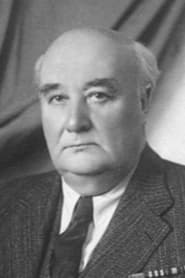
About Sergei Tsenin
Sergei Tsenin performed in historical drama 'The Beilis Case' in 1917. This film was based on the notorious Mendel Beilis trial, a significant blood libel case in Russia that garnered international attention in 1913. Tsenin's career coincided with the tumultuous period of the Russian Revolution, which dramatically transformed the Russian film industry and society as a whole. His appearance in this politically charged historical drama suggests he may have been involved with socially conscious or politically relevant filmmaking. The revolution of 1917 likely disrupted or ended his film career, as it did for many artists of the time. Unfortunately, detailed records about his life and career are scarce, possibly due to the historical upheaval and subsequent Soviet-era record-keeping practices. His single known film credit places him among the many actors whose careers were cut short or obscured by the dramatic political changes of early 20th century Russia.
The Craft
Milestones
- Appeared in 'The Beilis Case' (1917), a film about the famous Mendel Beilis trial
Best Known For
Iconic Roles
Must-See Films
Why They Matter
Impact on Culture
Sergei Tsenin's contribution to cinema, while limited to a single known film, represents the broader landscape of Russian silent cinema during its final years before the revolution. His participation in 'The Beilis Case' places him within the tradition of early Russian filmmakers who tackled controversial social and political subjects through cinema. The film itself was part of a broader cinematic engagement with the notorious Beilis affair, which had significant implications for Russian society and international perceptions of anti-Semitism in the Russian Empire. Though his individual impact may have been minimal due to his brief career, he represents the many actors and filmmakers whose work was disrupted or lost during the seismic cultural and political shifts of 1917.
Lasting Legacy
Sergei Tsenin's legacy is primarily that of an obscure figure from the final days of Imperial Russian cinema. His single known film credit shows the rich but often undocumented world of Russian silent filmmaking before the Soviet era. Like many actors from this period, his story highlights the challenges of preserving film history through periods of immense political and social upheaval. While his name may not be widely recognized, his participation in a film about such a significant historical event demonstrates the role cinema played in addressing contemporary social issues even in its earliest days.
Who They Inspired
Due to the extremely limited documentation of Sergei Tsenin's career, there is no available evidence of his influence on other actors or filmmakers. His brief appearance in cinema history coincided with a period of dramatic transformation in Russian film that would soon give rise to the influential Soviet montage theory and directors like Eisenstein and Vertov, but any direct connection to these later developments remains unknown.
Off Screen
Very little is known about Sergei Tsenin's personal life due to the scarcity of historical records from this period, particularly given the disruptions caused by the Russian Revolution.
Did You Know?
- Appeared in only one known film during his entire career
- His sole film credit 'The Beilis Case' was about a famous Russian blood libel trial from 1913
- His entire known film career lasted during the year of the Russian Revolution (1917)
- The Beilis case was an international scandal that brought attention to anti-Semitism in the Russian Empire
- Very little documentation exists about actors from this period of Russian cinema due to the revolutionary upheaval
Frequently Asked Questions
Who was Sergei Tsenin?
Screen credits include only one known film, 'The Beilis Case' in 1917. His career was extremely brief and coincided with the Russian Revolution, which likely disrupted or ended his work in cinema.
What films is Sergei Tsenin best known for?
Titles linked here include The Beilis Case (1917).
When was Sergei Tsenin born and when did he die?
Unfortunately, specific birth and death dates for Sergei Tsenin are not available in historical records, which is common for many actors from this period of Russian cinema due to the disruptions caused by the revolution.
What awards did Sergei Tsenin win?
There are no records of Sergei Tsenin receiving any awards or nominations, which is not surprising given his extremely brief film career consisting of only one known appearance.
What was Sergei Tsenin's acting style?
Due to the lack of surviving films or detailed documentation about his work, Sergei Tsenin's specific acting style and techniques are unknown. Like many actors from early Russian cinema, his performances have not been preserved for study.