The Beilis Case
"Trial charges Menachem."
Keys: Space play/pause · ←/→ 10s · F fullscreen · M mute · </> speed
About this film
Ukrainian silent courtroom drama about the trial on charges of Menachem Mendel Beilis in the ritual murder of 12-year-old Andrey Yushchinsky. Menahem Mendel Beilis was a Ukrainian Jew accused of ritual murder in Kyiv, in the then Russian Empire, in a notorious 1913 trial, known as the Beilis trial or Beilis affair.
Cast & crew
More films like this

More Drama films
View all →







More about this film
About the production
Release date1917
Filmed inLikely filmed in Kyiv or Moscow in the Russian Empire
The film was produced during the tumultuous year of 1917, which saw the Russian Revolution dramatically transform the country's political and social landscape. The timing of its release was particularly significant, as the revolutionary changes brought new attention to issues of injustice and persecution that had been prevalent under the Tsarist regime. Director Nikolai Breshko-Breshkovsky approached this sensitive subject matter at a time when the film industry was in chaos due to the ongoing revolution.
Themes
AntisemitismJustice vs. prejudiceWrongful accusationCourtroom dramaSocial injustice
Themes & topics
TrialCourtroomJewish persecutionFalse accusationRitual murder accusationKyivRussian Empire1910sRevolutionInjustice
Historical background
Made around 1917, The Beilis Case engaged audiences already fluent in ukrainian silent courtroom drama about the trial on charges of menachem mendel beilis in the ritual murder of 12-year-old andrey yushchinsky as a screen subject.
Why this film matters
Historians treat The Beilis Case as evidence of what typical 1917 audiences could see in a program slot.
Making of
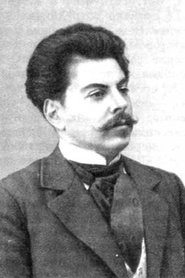
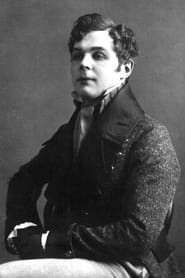
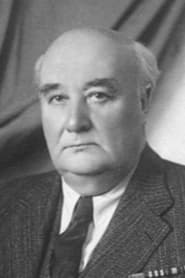
The production of 'The Beilis Case' took place during among the leading tumultuous years in Russian history, 1917, which saw both the February and October Revolutions. The film industry was in chaos as the old Tsarist structures collapsed and new revolutionary authorities took control. Director Nikolai Breshko-Breshkovsky, who had experience as both a filmmaker and journalist, likely chose this subject due to its contemporary relevance and the heightened awareness of injustice during the revolutionary period. The cast, including Yuriy Yakovlev, Malkevich-Khodakovskaya, and Stepan Kuznetsov, were established actors in the Russian film industry of the time. The filming would have been challenging due to the political instability, resource shortages, and the general disruption to all aspects of Russian society. The film's release coincided with the establishment of Soviet power, which would soon transform the Russian film industry completely.
What critics said
Trade papers near 1917 listed The Beilis Case as program material rather than headline art cinema.
Did you know?
- The Beilis trial was among the leading infamous antisemitic incidents in Russian Empire history, making one of the earliest cinematic treatments of antisemitism.
- Director Nikolai Breshko-Breshkovsky was not only a filmmaker but also a writer and journalist who likely had personal connections to the events surrounding the Beilis case.
- The film was released during the same year as the Russian Revolution, which would dramatically alter the political landscape of the region.
- The real Menachem Mendel Beilis was acquitted in 1913 after an international campaign highlighted the antisemitic nature of the accusations.
- The Beilis case inspired international outrage and was covered extensively by newspapers worldwide, making it a well-known event even before the film's release.
- Many Russian films from this period were lost during the Revolution and subsequent civil war, making particularly rare if any copies survive.
- The trial lasted from September 25 to October 28, 1913, and was followed closely by international observers.
- The case was part of a larger pattern of blood libel accusations against Jews in Eastern Europe.
- The film was likely shot on location in Kyiv, where the actual trial took place.
- The production would have faced significant challenges due to the political instability of 1917 Russia.
Visual style
As a silent film from 1917, 'The Beilis Case' would have employed the cinematographic techniques typical of the era. The visual style likely featured static camera positions common in early cinema, with some use of close-ups to emphasize emotional moments during the courtroom scenes. The film would have been shot in black and white, using available lighting techniques of the period. Courtroom dramas of this era often employed dramatic lighting to highlight the tension between prosecution and defense, and to visually distinguish between the accused and his accusers. The cinematography would have been constrained by the technical limitations of the time, including the need for bright lighting due to the low sensitivity of film stock. If any scenes were filmed on location in Kyiv, they would have provided valuable visual documentation of the city during this pivotal historical period.
Innovations
The technical aspects of 'The Beilis Case' would have reflected the state of Russian film technology in 1917. The film was likely shot on 35mm film stock, which was the industry standard at the time. The production would have used hand-cranked cameras, requiring skilled camera operators to maintain consistent exposure and frame rates. The film editing would have been done by physically cutting and splicing the film negative, a laborious process that required precision. Given the subject matter, the filmmakers may have employed some innovative techniques for the courtroom scenes, such as varying camera angles to show different perspectives during the trial. However, the technical limitations of the era, combined with the chaotic conditions of 1917 Russia, would have constrained what was technically possible. The film's preservation, if any copies survive, would be remarkable given the tumultuous events that followed its production.
Music
As a silent film, 'The Beilis Case' would not have had a recorded soundtrack but would have been accompanied by live musical performance during screenings. The musical accompaniment would have been provided by a pianist, organist, or small orchestra in the cinema, playing selections appropriate to the dramatic tone of the film. For a courtroom drama dealing with such serious subject matter, the music would likely have been somber and dramatic, with more intense passages during moments of high tension in the trial. The accompanist might have used popular classical pieces of the era or improvisation to match the on-screen action. The lack of recorded sound meant that intertitles would have been used to convey dialogue and important plot points, a standard practice in silent cinema of this period.
Memorable scenes
- The courtroom scenes where Beilis's defense team exposes the lack of evidence and the prejudicial nature of the accusations
- The moment when the verdict of acquittal is delivered, showing the triumph of justice over prejudice
- Scenes depicting public reaction to the trial, highlighting the divided opinions in Russian society
What audiences thought
The audience reception of 'The Beilis Case' in 1917 would have been influenced by the dramatic events unfolding in Russia at the time. With the country in the midst of revolution, audiences were particularly attuned to films that addressed issues of injustice and political corruption. The Beilis trial was still fresh in public memory, having occurred only a few years earlier, and many viewers would have had strong opinions about the case. The film likely resonated with audiences who were hopeful that the revolutionary changes would bring an end to the kind of antisemitic persecution that the Beilis case represented. However, the chaotic conditions of 1917, with civil war looming and society in upheaval, would have limited the film's distribution and audience reach. Many cinemas were closed or repurposed during this period, and the general population was more concerned with immediate political and survival issues than with film entertainment.
Film connections
Influenced by
- Contemporary newspaper accounts of the Beilis trial
- Earlier Russian courtroom dramas
- Social realist literature of the period
- Progressive journalism exposing antisemitism
This film influenced
- Later Soviet films addressing social injustice
- Subsequent courtroom dramas dealing with prejudice
- Films about Jewish persecution in Eastern Europe
Film restoration
The preservation status of 'The Beilis Case' is uncertain, but like many films from this period in Russian history, it is likely lost or exists only in fragments. The Russian Revolution of 1917 and the subsequent civil war led to the destruction or deterioration of many film archives. Additionally, the Soviet authorities later destroyed or censored films that did not align with their ideological requirements. No known complete copies of have been documented in major film archives such as Gosfilmofond in Russia or other international collections. The film's survival would be remarkable given the historical circumstances of its production and the subsequent decades of political upheaval in the region.
Where to watch
- Wikimedia Commons: https://commons.wikimedia.org/wiki/File:%D0%9F%D1%80%D0%BE%D1%86%D0%B5%D1%81%D1%81%20%D0%91%D0%B5%D0%B9%D0%BB%D0%B8%D1%81%D0%B0.%20(1917).webm