
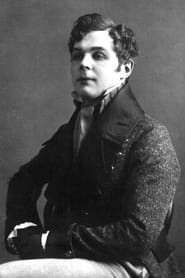
Stepan Kuznetsov
Actor
Born: December 25, 1879 in Moscow, Russian Empire Died: March 22, 1932 Active: 1917-1927 Birth Name: Stepan Yakovlevich Kuznetsov
Films
2 films
About Stepan Kuznetsov
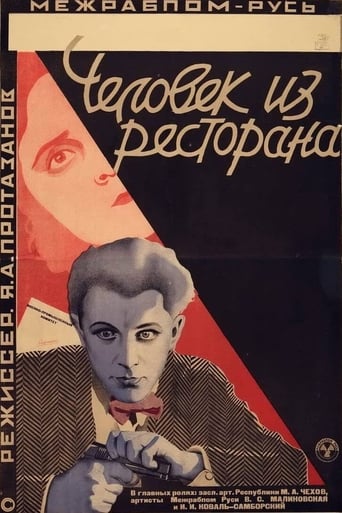
Prominent Russian and Soviet actor during the silent film era, active primarily in the 1910s and 1920s. He began his film career during the golden age of Russian cinema, appearing in numerous productions that reflected the dramatic social and political changes occurring in Russia during that period. His most notable work came in 1917 with 'The Beilis Case,' a film based on the real-life controversial trial of Menahem Mendel Beilis, which showcased Kuznetsov's ability to portray complex characters in politically charged narratives. He continued his acting career through the revolutionary period and into the early Soviet era, with his final known film appearance being in 'The Man from the Restaurant' in 1927, which was directed by Yakov Protazanov, one of Russia's most celebrated early filmmakers. Kuznetsov's a decade of dramatic transformation in Russian cinema, from the imperial period through the establishment of the Soviet film industry. His work exemplified the transition from pre-revolutionary Russian melodrama to the emerging Soviet realist style, though his filmography remains partially documented due to the chaotic nature of the period and the loss of many films from this era.
The Craft
On Screen
Kuznetsov's acting style was characteristic of the silent era, employing exaggerated gestures and facial expressions typical of Russian theatrical tradition. His performances were noted for their dramatic intensity and ability to convey complex emotions without dialogue, a skill essential for silent film actors. He often portrayed characters of moral complexity, reflecting the turbulent social climate of revolutionary Russia.
Milestones
- Starred in 'The Beilis Case' (1917), a controversial film based on a real trial
- Appeared in 'The Man from the Restaurant' (1927) directed by Yakov Protazanov
- Worked during the transitional period from Imperial to Soviet cinema
- Participated in the early development of Soviet film industry
Best Known For
Iconic Roles
Must-See Films
Accolades
Special Recognition
- Recognized as an important figure in early Soviet cinema
Working Relationships
Worked Often With
Studios
Why They Matter
Impact on Culture
Stepan Kuznetsov contributed to the development of Russian cinema during its formative years, helping to establish the dramatic conventions and narrative techniques that would influence later Soviet filmmakers. His work in films like 'The Beilis Case' demonstrated how cinema could address contemporary social and political issues, a tradition that would become central to Soviet film culture. As an actor who bridged the imperial and Soviet periods, Kuznetsov represented the continuity of Russian artistic traditions despite radical political changes.
Lasting Legacy
Though many of his films have been lost to time, Stepan Kuznetsov remains an important figure in the history of Russian cinema. His surviving work, particularly 'The Man from the Restaurant,' provides valuable insight into the artistic and technical development of Soviet film during its early years. He represents the generation of artists who helped transform Russian cinema from a commercial entertainment medium into a powerful tool for social commentary and artistic expression.
Who They Inspired
Kuznetsov's acting style and choice of roles influenced subsequent generations of Soviet actors, particularly in his ability to convey complex social and moral themes through performance. His work demonstrated how silent film could effectively address contemporary political issues, paving the way for the more explicitly ideological films of the 1930s and beyond.
Off Screen
Stepan Kuznetsov lived through. His career coincided with the dramatic transformation of Russian society and its film industry. Like many artists of his generation, he had to adapt to the new cultural policies and aesthetic requirements imposed by the Soviet regime.
Education
Family
- Information not available in historical records
Did You Know?
- His active years covered the Russian Revolution, one of cinema's most historically significant periods
- 'The Beilis Case' was based on a real antisemitic trial that scandalized Russian society
- Worked with Yakov Protazanov, one of the few Russian directors who successfully emigrated and later returned to the USSR
- His film career ended just as Soviet cinema was entering its golden age with directors like Eisenstein and Pudovkin
- Many Russian films from his era have been lost, making his surviving work particularly valuable to film historians
- The transition from silent to sound films likely contributed to the end of his career
- His acting reflected the influence of the Moscow Art Theatre tradition on early Russian cinema
In Their Own Words
No documented quotes are available from Stepan Kuznetsov
Frequently Asked Questions
Who was Stepan Kuznetsov?
Russian and Soviet with credits in this catalog.
What films is Stepan Kuznetsov best known for?
Titles linked here include The Beilis Case (1917), The Man from the Restaurant (1927).
When was Stepan Kuznetsov born and when did he die?
Born December 25, 1879; died March 22, 1932.
What awards did Stepan Kuznetsov win?
There are no documented major awards for Stepan Kuznetsov, as he worked during the early formative years of Soviet cinema before many formal award systems were established.
What was Stepan Kuznetsov's acting style?
His acting style was characteristic of the silent era, featuring dramatic gestures and intense emotional expression typical of Russian theatrical tradition, adapted for the medium of film.
How did Stepan Kuznetsov's career reflect the changes in Russian society?
His active years covered the Russian Revolution and transition from imperial to Soviet rule, making him part of the generation of artists who had to adapt to new cultural and political realities while maintaining artistic continuity.