
Films
1 film
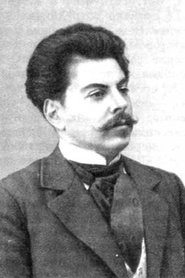
About Nikolai Breshko-Breshkovsky
Early Russian film director active during the revolutionary period of 1917. His career appears to have been extremely brief, centered around the production of 'The Beilis Case' in 1917, which dealt with the notorious Beilis trial that had shocked Russian society just a few years earlier. The film was likely created during the tumultuous period between the February and October Revolutions, a time when Russian cinema was undergoing significant transformation. Little is known about his background or training in filmmaking, though his choice of subject matter suggests he was engaged with contemporary social and political issues. The Beilis case, involving the false accusation of ritual murder against a Jewish factory worker, was antisemitic trials of the early 20th century and had international repercussions. Breshko-Breshkovsky's decision to adapt this story for the screen indicates a director interested in addressing pressing social injustices through cinema. His work represents the nascent stages of socially conscious filmmaking in Russia, predating the more famous Soviet directors who would emerge in the 1920s.
The Craft
Behind the Camera
Appears to have focused on socially relevant themes and contemporary issues, with an interest in addressing injustice through cinematic narrative
Milestones
- Directed 'The Beilis Case' (1917) during the revolutionary period
- Created socially conscious cinema during a pivotal moment in Russian history
Best Known For
Must-See Films
Why They Matter
Impact on Culture
Nikolai Breshko-Breshkovsky's work represents an early example of socially engaged cinema in Russia, predating the more famous Soviet directors of the 1920s. His choice to film 'The Beilis Case' demonstrates how early Russian filmmakers were already using cinema to address contemporary social injustices and political issues. The film's subject matter - the infamous Beilis trial - was.
Lasting Legacy
While Nikolai Breshko-Breshkovsky remains an obscure figure in film history, his work represents an important moment in the development of Russian cinema's engagement with social issues. His film about the Beilis case stands as an early example of cinema being used as a tool for social commentary and justice advocacy in Russia. Though the film itself is likely lost, as are many works from this period, its very existence demonstrates the sophisticated level of social awareness among some early Russian filmmakers.
Who They Inspired
Due to the extremely limited scope of his known work, Breshko-Breshkovsky's direct influence on other filmmakers is difficult to trace. However, his approach to socially relevant subject matter anticipated the more famous socially conscious cinema that would emerge in the Soviet period. His work represents part of the foundation upon which later Russian directors would build their more elaborate critiques of social injustice and political oppression.
Off Screen
Very little is known about the personal life of Nikolai Breshko-Breshkovsky, as he appears to have been a minor figure in early Russian cinema with only one known film credit. His brief career coincided with.
Did You Know?
- His only known film was made during the pivotal year of 1917, between Russia's two revolutions
- The Beilis Case was based on real events from 1913 that had international repercussions
- The film dealt with antisemitism, a controversial topic for the time
- His career appears to have lasted only one year, making him one of cinema's briefest directors
- The film is likely lost, as are many Russian films from this period
- His surname may be related to the revolutionary Boris Breshko-Breshkovsky, though no direct connection has been established
- The Beilis case was one of the first international media sensations involving antisemitism
- 1917 was a year of tremendous upheaval in Russian cinema, with many studios closing or being nationalized
Frequently Asked Questions
Who was Nikolai Breshko-Breshkovsky?
Russian on YTB.my. His career appears to have been extremely brief, limited to the revolutionary year of 1917, making him one of the more obscure figures in early Russian cinema history.
What films is Nikolai Breshko-Breshkovsky best known for?
Titles linked here include The Beilis Case (1917).
When was Nikolai Breshko-Breshkovsky born and when did he die?
Unfortunately, specific birth and death dates for Nikolai Breshko-Breshkovsky are not known. His only documented work in cinema dates from 1917, placing him during the revolutionary period in Russian history, but biographical details about his life remain largely unknown to film historians.
What awards did Nikolai Breshko-Breshkovsky win?
There are no known awards or nominations for Nikolai Breshko-Breshkovsky. Given his extremely brief career and the obscure nature of his work, he did not receive formal recognition during his lifetime, and his contribution to cinema remains largely unacknowledged in film history.
What was Nikolai Breshko-Breshkovsky's directing style?
While limited evidence exists about his directing style, his choice of subject matter suggests he was interested in socially relevant themes and contemporary issues. His focus on the Beilis case indicates a director who used cinema as a medium for addressing social injustice and political controversies, anticipating the more elaborate social critiques of later Soviet filmmakers.