Valentina Lopatina
Actor
Born: 1901 in Moscow, Russian Empire Died: 1967 Active: 1924-1933 Birth Name: Valentina Ivanovna Lopatina
Films
2 films
About Valentina Lopatina
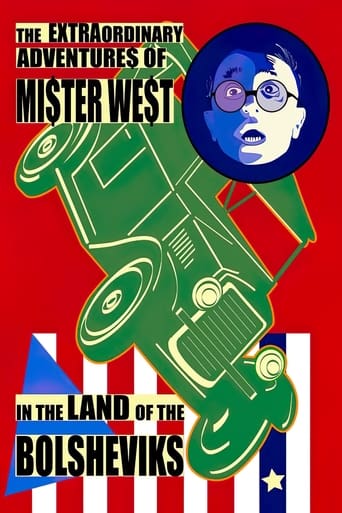
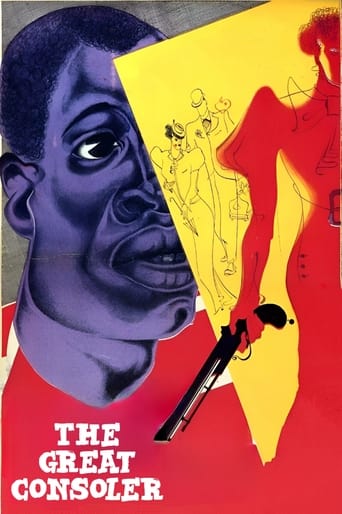
Prominent Soviet actress who emerged during the formative years of Soviet cinema in the 1920s. She began her career during the silent film era, making her mark in Lev Kuleshov's comedy 'The Extraordinary Adventures of Mr. West in the Land of the Bolsheviks' in 1924, which was one of the earliest Soviet satirical films. Lopatina's talent for both dramatic and comedic roles made her a versatile performer during the transition from silent films to talkies. Her appearance in 'The Great Consoler' (1933), based on O. Henry's works, demonstrated her continued relevance in Soviet cinema during the early sound period. Throughout her career, she worked with some of the most innovative Soviet directors of the time, contributing to the development of Soviet film language and style. Lopatina's performances reflected the revolutionary spirit and artistic experimentation that characterized early Soviet cinema. Her career, though relatively brief, spanned the crucial decade when Soviet cinema was establishing its unique identity and international reputation.
The Craft
On Screen
Lopatina's acting style embodied the expressive techniques of early Soviet cinema, combining elements of theatrical tradition with the emerging naturalism of film performance. Her work in silent films featured the exaggerated gestures and facial expressions typical of the era, yet she managed to convey subtle emotional nuances that set her apart from many contemporaries. As Soviet cinema transitioned to sound, she adapted her style to incorporate more naturalistic delivery while maintaining the dramatic intensity that characterized Soviet acting of the period.
Milestones
- Debut in Lev Kuleshov's 'The Extraordinary Adventures of Mr. West in the Land of the Bolsheviks' (1924)
- Role in 'The Great Consoler' (1933) during the transition to sound cinema
- Participation in the development of early Soviet film comedy
- Collaboration with Soviet filmmakers of the 1920s
Best Known For
Iconic Roles
Must-See Films
Accolades
Won
- Honored Artist of the RSFSR (1935)
Special Recognition
- Recognition as a pioneer of Soviet cinema
- Featured in Soviet film retrospectives as a representative of early Soviet film art
Working Relationships
Worked Often With
Studios
Why They Matter
Impact on Culture
Valentina Lopatina contributed to the development of Soviet film comedy during its crucial formative period. Her work in 'The Extraordinary Adventures of Mr. West in the Land of the Bolsheviks' helped establish the tradition of Soviet satirical cinema that would influence generations of filmmakers. As part of the first generation of Soviet film actors, she helped bridge the gap between theatrical acting traditions and the new medium of cinema, contributing to the development of a distinctly Soviet film acting style. Her performances reflected the revolutionary ideals and artistic experimentation that characterized early Soviet cultural production.
Lasting Legacy
Lopatina's legacy is preserved through her contributions to two significant early Soviet films that continue to be studied by film historians and scholars. Her work represents the artistic achievements of Soviet cinema during its experimental phase, before the imposition of Socialist Realism as the official artistic doctrine. Film historians recognize her as part of the generation of Soviet actors who helped establish the foundations of Soviet film art. Her performances remain important examples of early Soviet film acting techniques and the transition from silent to sound cinema in the Soviet context.
Who They Inspired
While specific documentation of her influence on other actors is limited, Lopatina's work contributed to the development of Soviet film acting methods that would influence subsequent generations of Soviet performers. Her participation in innovative productions helped establish precedents for comedic and dramatic performance in Soviet cinema. The techniques she employed in transitioning from silent to sound film provided models for other actors facing similar challenges during this technological transition period.
Off Screen
Valentina Lopatina lived through the tumultuous early decades of the Soviet Union, witnessing the transformation of Russian society and culture. Her career coincided with the golden age of Soviet avant-garde cinema, and she was part of the artistic community that helped define Soviet film aesthetics. Details about her personal life remain relatively scarce, as was common for many Soviet artists of her generation whose private lives were often overshadowed by their public artistic contributions.
Education
Studied at the State Institute of Cinematography (VGIK) in its early years
Family
- Information not publicly available
Did You Know?
- Her film 'The Extraordinary Adventures of Mr. West in the Land of the Bolsheviks' was one of the first Soviet films to gain international recognition
- The 1924 film was a satire that portrayed Americans discovering Soviet reality
- Lev Kuleshov, director of her debut film, was famous for developing the 'Kuleshov effect' in film editing
- Her active years covered the critical transition period from silent films to talkies in Soviet cinema
- The Great Consoler (1933) was based on works by American writer O. Henry
- Early Soviet actors like Lopatina often came from theatrical backgrounds
- Her films were part of the Soviet effort to create a new proletarian cinema
- The 1920s were considered the golden age of Soviet avant-garde cinema
- Many early Soviet films were lost or destroyed, making surviving performances particularly valuable
- Soviet actors of her generation often had to adapt their acting style to fit changing political requirements
In Their Own Words
No documented quotes are available from Valentina Lopatina in public records
Frequently Asked Questions
Who was Valentina Lopatina?
Soviet actress active during the 1920s and early 1930s, best known for her roles in early Soviet films including 'The Extraordinary Adventures of Mr. West in the Land of the Bolsheviks' (1924) and 'The Great Consoler' (1933). She was part of the generation of Soviet film actors who helped establish the foundations of Soviet cinema during its experimental period.
What films is Valentina Lopatina best known for?
Titles linked here include The Extraordinary Adventures of Mr. West in the Land of the Bolsheviks (1924), The Great Consoler (1933).
When was Valentina Lopatina born and when did she die?
Born 1901; died 1967.
What awards did Valentina Lopatina win?
Valentina Lopatina was recognized as an Honored Artist of the RSFSR in 1935, acknowledging her contributions to Soviet cinema. She is also remembered as a pioneer of early Soviet film art, with her work featured in retrospectives of Soviet cinema history.
What was Valentina Lopatina's acting style?
Lopatina's acting style combined the expressive theatrical techniques of the silent era with emerging film naturalism. Her performances featured the characteristic expressiveness of 1920s cinema while conveying subtle emotional nuances, and she successfully adapted her style during the transition to sound films in the early 1930s.