Films
2 films
About Antonina Pozharskaya
Actress in the nascent Russian film industry during the silent era, active during the crucial transitional period when cinema was establishing itself as an art form in Russia. She worked with early Russian film directors during the country's first wave of cinematic productions, appearing in adaptations of classic Russian literature. Her performances in 'Mazeppa' (1909) and 'The Queen of Spades' (1910) placed her at the forefront of Russian cinema's artistic development, helping to establish the tradition of literary adaptations that would become a hallmark of Russian filmmaking. Though her career was brief, spanning only the years 1909-1910, her contributions came during a formative period when Russian cinema was developing its unique identity. Pozharskaya represented the theatrical tradition that early Russian cinema drew from, bringing stage acting techniques to the new medium of film. Her work coincided with the emergence of Russian cinema as a significant cultural force, predating the revolutionary innovations of filmmakers like Yevgeni Bauer by several years.
The Craft
On Screen
Pozharskaya's acting style reflected the theatrical traditions of the time, characterized by exaggerated gestures and dramatic expressions typical of early silent cinema. Her performances likely drew from the rich Russian theatrical tradition, incorporating the melodramatic techniques necessary to convey emotion without dialogue. As an early film actress, she helped bridge the gap between stage performance and the emerging requirements of cinematic acting.
Milestones
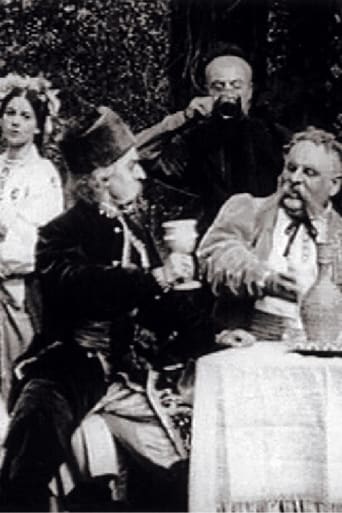
- Starred in 'Mazeppa' (1909), one of Russia's earliest feature films
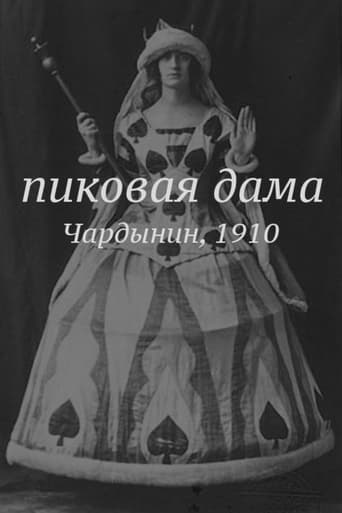
- Appeared in 'The Queen of Spades' (1910), an adaptation of Pushkin's classic work
- figure in early Russian silent cinema
Best Known For
Iconic Roles
Must-See Films
Working Relationships
Worked Often With
Studios
Why They Matter
Impact on Culture
Antonina Pozharskaya contributed to the foundational development of Russian cinema during its formative years, participating in the tradition of literary adaptations that would become central to Russian filmmaking. Her work in adapting Pushkin's works to the screen helped establish cinema as a legitimate art form capable of handling Russia's rich literary heritage. Though her individual impact may be difficult to trace due to limited documentation, she represents the generation of performers who helped transition Russian theatrical traditions to the new medium of cinema.
Lasting Legacy
Pozharskaya's legacy lies in her participation in Russia's earliest cinematic endeavors, representing the bridge between 19th-century Russian theatrical traditions and 20th-century film art. Her appearances in adaptations of classic Russian literature helped establish patterns that would influence Russian cinema for decades. While specific details of her career remain elusive, her work exemplifies the crucial role that early actors played in legitimizing cinema as a serious artistic medium in Russia.
Who They Inspired
As an early pioneer, Pozharskaya's influence would have been primarily on the immediate generation of Russian actors who followed, helping to establish acting techniques appropriate for silent cinema. Her work in literary adaptations set precedents for how Russian literature could be successfully translated to the screen, influencing countless future adaptations in Russian cinema.
Off Screen
Very little is documented about Antonina Pozharskaya's personal life, which was common for many early film actors whose biographical details were not systematically preserved. Like many performers from this era, her life story remains largely obscured by the passage of time and the limited record-keeping practices of early Russian cinema.
Did You Know?
- Appeared in two of Russia's earliest surviving films from 1909-1910
- Worked during the same period as other Russian film pioneers like Vasily Goncharov
- Participated in adaptations of works by Russia's greatest literary figure, Alexander Pushkin
- Her active years covered the crucial period when Russian cinema was establishing its artistic identity
- Represents the generation of actors who transitioned from theater to early film
- Her films were made during the reign of Tsar Nicholas II, before the Russian Revolution
- Early Russian cinema where she worked was among the most innovative in the world at the time
- The films she appeared in were likely produced by Alexander Khanzhonkov's company, a pioneer in Russian film
Frequently Asked Questions
Who was Antonina Pozharskaya?
Russian actress who worked in the silent film era during 1909-1910, appearing in early Russian cinema adaptations of classic literature.
What films is Antonina Pozharskaya best known for?
Titles linked here include Mazeppa (1909), The Queen of Spades (1910).
When was Antonina Pozharskaya active in cinema?
Pozharskaya had a brief but significant career spanning 1909-1910, during the formative years of Russian silent cinema.
What was the significance of the films Antonina Pozharskaya appeared in?
Her films were part of the early Russian tradition of literary adaptations, helping establish cinema as a legitimate art form capable of handling Russia's rich cultural heritage.
How did Antonina Pozharskaya contribute to early Russian cinema?
She helped bridge theatrical and cinematic performance styles during a crucial period when Russian cinema was developing its unique artistic identity and establishing patterns that would influence future Russian filmmakers.