Films
1 film
About Kikunojo Segawa
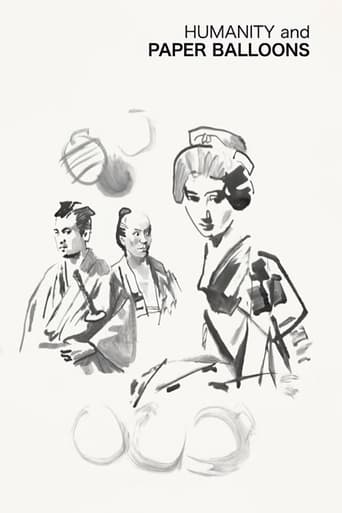
The 1937 film Humanity and Paper Balloons is the only title linked here for Kikunojo Segawa. Directed by the acclaimed Sadao Yamanaka. This film was one of the last works by Yamanaka before his untimely death, and Segawa's performance contributed to what is now considered one of the greatest Japanese films of the pre-war era. Kikunojo Segawa's career appears to have been extremely brief, with documented activity confined to the single year of 1937. Like many actors from this period of Japanese cinema, detailed records about Segawa's life and career are scarce, particularly given the destruction of many film industry records during World War II. His contribution to Japanese cinema, though limited to this single appearance, represents an important part of the country's cinematic heritage during a transformative period in its history.
The Craft
Milestones
- Appeared in 'Humanity and Paper Balloons' (1937), now considered a masterpiece of Japanese cinema
Best Known For
Iconic Roles
Must-See Films
Working Relationships
Worked Often With
Why They Matter
Impact on Culture
Kikunojo Segawa's contribution to cinema, though limited to a single film appearance, is part of the broader tapestry of Japanese cinema's golden age. 'Humanity and Paper Balloons' has been rediscovered and celebrated by film scholars and critics worldwide as a masterpiece of the jidaigeki (period drama) genre. The film's preservation and recognition in international cinema circles means that Segawa's performance, however brief, continues to be viewed by new generations of film enthusiasts and scholars studying the evolution of Japanese cinema.
Lasting Legacy
While Kikunojo Segawa may not have left an extensive filmography, his participation in 'Humanity and Paper Balloons' ensures his place in cinema history. The film itself has gained legendary status, particularly after being named one of the best Japanese films of all time by critics and filmmakers. Segawa's legacy is intrinsically tied to this masterpiece, representing the collaborative artistry of Japanese cinema during a period of significant artistic development before the disruptions of World War II.
Who They Inspired
Due to the limited documentation of Segawa's career and the brevity of his film appearances, there is little concrete evidence of his direct influence on other performers. However, as part of the ensemble cast of a film that has influenced generations of Japanese filmmakers, his work contributes to the artistic foundation that subsequent actors and directors have built upon in the jidaigeki tradition.
Off Screen
Very little is documented about Kikunojo Segawa's personal life, which is not uncommon for actors from this era of Japanese cinema, particularly those with brief film careers.
Did You Know?
- Appeared in only one known film during his entire career
- 'Humanity and Paper Balloons' was director Sadao Yamanaka's final film before his death at age 28
- The film was considered lost for many years before being rediscovered
- The movie was banned by Japanese military censors for its 'depressing' content
- Director Yamanaka died in Manchuria just months after the film's release
- The film runs only 80 minutes but is considered one of the greatest achievements in Japanese cinema
- The story is set in a poor Tokyo neighborhood during the Edo period
- The film's title refers to the fragility of human life, likening it to paper balloons
Frequently Asked Questions
Who was Kikunojo Segawa?
Japanese with credits in this catalog. His career appears to have been brief, with only this single documented film credit to his name.
What films is Kikunojo Segawa best known for?
Titles linked here include Humanity and Paper Balloons (1937).
When was Kikunojo Segawa born and when did they die?
Specific birth and death dates for Kikunojo Segawa are not documented in available historical records, which is not uncommon for actors from this era of Japanese cinema, particularly those with limited film careers.
What awards did Kikunojo Segawa win?
There are no documented awards or nominations for Kikunojo Segawa, which was typical for many character actors in 1930s Japanese cinema, especially those with brief careers.
What was Kikunojo Segawa's acting style?
Due to the limited documentation of Segawa's career and the scarcity of his film work, detailed analysis of his acting style is not available. His performance in 'Humanity and Paper Balloons' would have reflected the naturalistic style emerging in Japanese cinema during the late 1930s.