Films
1 film
About Enrico Negro
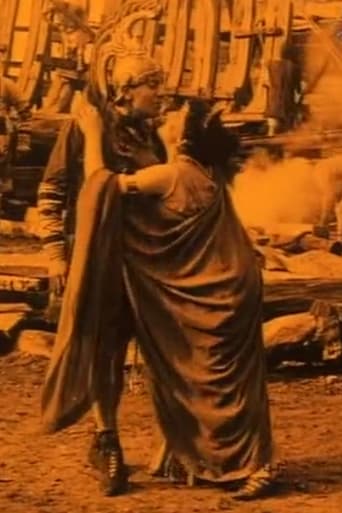
Italian actor who worked during the era of silent cinema in the early 1910s. His known filmography consists of a single appearance in the 1910 Italian silent film 'Didone abbandonata,' which was an adaptation of the famous opera libretto by Metastasio. Like many actors of this period, Negro's career was likely brief and occurred during the formative years of the Italian film industry, which was then one of the world's most productive cinema centers. The fact that he appeared in only one documented film suggests he may have been a theatrical actor who dabbled briefly in the new medium of cinema, or perhaps his other film appearances have been lost to time. His participation in 'Didone abbandonata' places him among the early generation of film actors who helped establish the foundation of Italian cinema during its golden age of historical epics and literary adaptations. Unfortunately, like many performers from this era, detailed biographical information about his life and career has been largely lost to history.
The Craft
Milestones
- Appeared in 'Didone abbandonata' (1910), an early Italian silent film adaptation
Best Known For
Iconic Roles
Must-See Films
Why They Matter
Impact on Culture
Enrico Negro's cultural impact is difficult to assess due to the limited documentation of his career. As an actor in one of Italy's early silent films, he represents the generation of performers who helped establish the foundation of Italian cinema during its years. His work in 'Didone abbandonata' contributed to the early Italian tradition of adapting classical literary works and operas for the screen, a practice that would become a hallmark of Italian cinema's golden age. While his individual contribution may have been modest, collectively, actors like Negro were instrumental in developing the language of silent film acting and establishing cinema as a legitimate art form in Italy.
Lasting Legacy
Enrico Negro's legacy is primarily that of being one of the early pioneers of Italian cinema, representing the countless actors who participated in the birth of the film industry during its formative years. His appearance in 'Didone abbandonata' places him within the historical context of Italy's early film boom, when the country was producing some of the world's most ambitious and technically sophisticated films. While he may not be remembered individually, he stands as a representative of the generation of theatrical and early film actors who bridged the gap between stage performance and the emerging art of cinema. His work, like that of many early film actors, shows the experimental and spirit of cinema's first decade.
Who They Inspired
Due to the limited documentation of Enrico Negro's career and the brevity of his known filmography, it is difficult to trace his specific influence on subsequent actors or filmmakers. However, as an early practitioner of silent film acting, he would have been part of the generation that helped establish the techniques and conventions of film performance that would influence later actors. His participation in literary adaptations contributed to the early Italian cinema tradition of bringing classical stories to the screen, a practice that would influence filmmakers worldwide.
Off Screen
Very little personal information is available about Enrico Negro, which is typical for actors from the very early silent era. Like many performers from this period, detailed biographical records were not systematically maintained, and much of the documentation has been lost over time.
Did You Know?
- Appeared in only one documented film, 'Didone abbandonata' (1910)
- Worked during the early golden age of Italian cinema when Italy was one of the world's leading film producers
- His film was based on the famous opera libretto by Metastasio, which itself was based on Virgil's Aeneid
- Like many early film actors, biographical details about his life have been largely lost to history
- His active years covered what appears to be only a single year, 1910, during cinema's first decade
- The film he appeared in was part of Italy's early tradition of adapting classical and operatic works for the screen
- Very few actors from this very early period of Italian cinema have comprehensive surviving biographical records
Frequently Asked Questions
Who was Enrico Negro?
Screen credits include the 1910 film 'Didone abbandonata.' He worked during the era of Italian cinema and represents one of the early actors who helped establish the foundation of film as an art form in Italy.
What films is Enrico Negro best known for?
Titles linked here include Didone abbandonata (1910).
When was Enrico Negro born and when did he die?
Unfortunately, the birth and death dates of Enrico Negro are not documented in available historical records. Like many actors from the very early silent era, detailed biographical information about his life has been lost to time.
What awards did Enrico Negro win?
No awards or honors are documented for Enrico Negro. During the early 1910s, film awards as we know them today did not exist, and recognition for film actors was primarily through critical reception and audience popularity rather than formal awards.
What was Enrico Negro's acting style?
Specific details about Enrico Negro's acting style are not documented in available sources. However, actors of this period typically employed theatrical, exaggerated gestures and expressions suitable for silent film, drawing heavily from stage acting traditions of the time.