Films
3 films
About Vera Yanukova
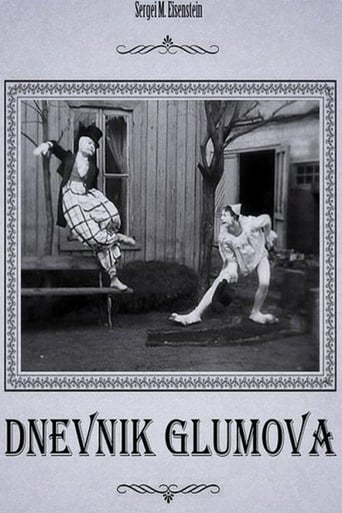
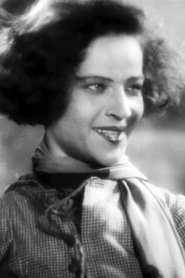
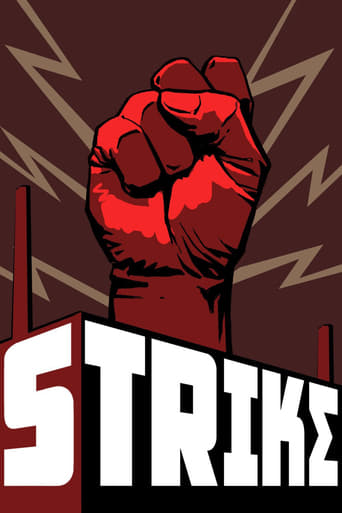
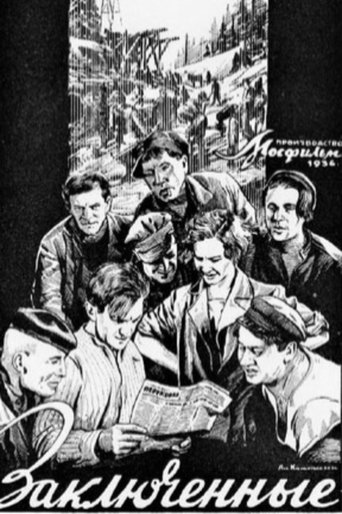
Soviet actress active during the formative years of Soviet cinema in the 1920s and 1930s. She began her film career with a role in Sergei Eisenstein's debut film 'Glumov's Diary' in 1923, marking her entry into the revolutionary world of early Soviet filmmaking. Her most significant collaboration came with Eisenstein again in 1925's 'Strike,' silent films of the era, where she contributed to the ensemble cast that helped define Soviet montage theory in practice. Yanukova continued her acting career through the transition to sound films, appearing in 'Convicts' in 1936, demonstrating her adaptability to changing cinematic technologies. Her the crucial period when Soviet cinema was establishing its unique identity and artistic language, working alongside some of the most innovative directors of the time. Though her filmography was relatively brief, her participation in these landmark Soviet productions places her among the actors who helped shape early 20th century cinema.
The Craft
On Screen
As an ensemble actor during the early Soviet period, Yanukova's acting style would have been influenced by the theatrical traditions of the time and the emerging Soviet cinematic aesthetics that emphasized collective performance over individual stardom. Her work in Eisenstein's films suggests she was part of the new generation of actors adapting to the revolutionary montage techniques that required precise timing and expressive physicality suitable for silent cinema.
Milestones
- Appeared in Sergei Eisenstein's debut film 'Glumov's Diary' (1923)
- Participated in the landmark Soviet film 'Strike' (1925)
- Transitioned successfully from silent to sound films
- Worked during the golden age of Soviet silent cinema
Best Known For
Iconic Roles
Must-See Films
Working Relationships
Worked Often With
Studios
Why They Matter
Impact on Culture
Vera Yanukova's contribution to early Soviet cinema, while not widely documented individually, represents the collective effort of actors who helped establish Soviet film as a major artistic force in world cinema. Her participation in Eisenstein's groundbreaking films places her within the revolutionary movement that transformed cinematic language through montage theory and collective storytelling. These films she appeared in would go on to influence generations of filmmakers worldwide, from French New Wave directors to American auteurs, making her part of cinema's foundational history even if her individual contributions remain largely unrecorded in Western film scholarship.
Lasting Legacy
Though specific details about Vera Yanukova's career are scarce, her legacy is preserved through her participation in some of the most influential films of the silent era. 'Strike' remains. She represents the countless ensemble actors who were essential to creating the masterpieces of early Soviet cinema but whose individual stories have been largely lost to history.
Who They Inspired
As a working actor during the formative period of Soviet cinema, Yanukova would have been part of the new acting techniques developed to accommodate Eisenstein's revolutionary montage style. This approach to performance, emphasizing precise timing and visual expressiveness, would influence subsequent generations of actors in both Soviet and international cinema, particularly in how actors learned to work within highly edited, non-naturalistic film styles.
Off Screen
Very little documented information exists about Vera Yanukova's personal life, which was common for many supporting actors in early Soviet cinema who were not promoted as individual stars. The Soviet film industry of the 1920s and 1930s often emphasized collective achievement over individual celebrity, particularly for actors in ensemble roles.
Did You Know?
- Appeared in Sergei Eisenstein's very first film as a director
- Worked during the transition from silent films to sound in Soviet cinema
- Participated in 'Strike,' which was banned in several countries for its revolutionary content
- Her film active years covered exactly 13 years, from 1923 to 1936
- Like many Soviet actors of her era, she was likely affiliated with state-run theater and film organizations
- The films she appeared in are now considered classics of world cinema
- Her career coincided with Stalin's rise to power and the increasing state control over Soviet arts
- She worked during what many consider the golden age of Soviet silent cinema (1924-1930)
Frequently Asked Questions
Who was Vera Yanukova?
Screen credits include several significant early Soviet films, most notably working with director Sergei Eisenstein on his projects 'Glumov's Diary' and 'Strike'.
What films is Vera Yanukova best known for?
Titles linked here include Strike (1925), Glumov's Diary (1923).
When was Vera Yanukova born and when did she die?
Specific birth and death dates for Vera Yanukova are not well-documented in available historical records, which was common for many supporting actors in early Soviet cinema who were not promoted as individual stars.
What awards did Vera Yanukova win?
No specific awards or honors for Vera Yanukova are documented in available sources, reflecting the Soviet film industry's emphasis on collective achievement over individual recognition during her active period.
What was Vera Yanukova's acting style?
Her acting style would have been influenced by the theatrical traditions of early Soviet cinema and adapted to Eisenstein's revolutionary montage techniques, requiring precise timing and physical expressiveness suitable for silent film performance.