Films
2 films
About Carey L. Hastings
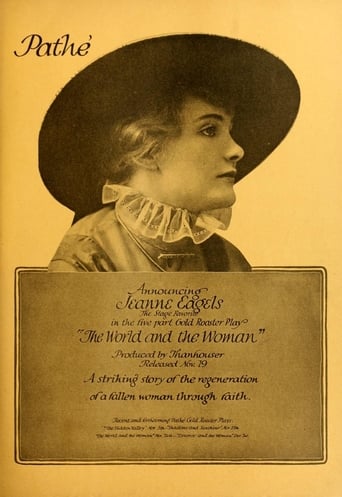
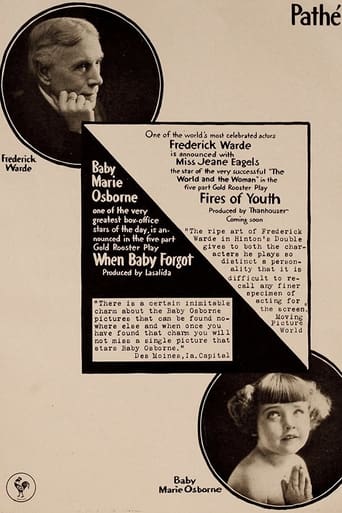
The 1916 film The World and the Woman is the only title linked here for Carey L. Hastings. Hastings worked during a transformative period in cinema when the industry was transitioning from short films to feature-length productions. His role in 'The World and the Woman' (1916) placed him alongside Carey L. Hastings Theda Bara, one of the era's biggest stars. The following year, he appeared in 'The Fires of Youth' (1917), continuing his work in the dramatic genre that was popular during this period. Despite his promising start and association with quality productions, Hastings' career appears to have been exceptionally brief, spanning only these two known films before disappearing from the historical record.
The Craft
Milestones
- Appeared in 'The World and the Woman' (1916) starring Theda Bara
- Acted in 'The Fires of Youth' (1917)
- Worked during the golden age of silent cinema
- Collaborated with major studios of the era
Best Known For
Must-See Films
Working Relationships
Worked Often With
Studios
Why They Matter
Impact on Culture
Carey L. Hastings represents the countless supporting actors who formed the backbone of silent cinema but have largely been lost to history. His appearance in 'The World and the Woman' alongside Theda Bara places him within the context of early Hollywood's star system, where even minor roles contributed to the grand spectacles that defined the era. While his individual impact may be minimal, his work exemplifies the collaborative nature of early filmmaking and the importance of ensemble casts in creating the memorable films of the silent period.
Lasting Legacy
The legacy of Carey L. Hastings is primarily archival, serving as a reminder of the many actors who contributed to early cinema but never achieved lasting fame. His two known films survive as historical documents, and his name appears in film databases and credits, ensuring that even brief careers are not entirely forgotten. Hastings represents the transient nature of early Hollywood careers, where many actors appeared in only a handful of films before moving on to other pursuits.
Who They Inspired
As a minor actor with an extremely brief career, Carey L. Hastings had limited direct influence on subsequent performers or the film industry. However, like all actors of his generation, he contributed to the development of film acting techniques during the crucial transition from stage to screen performance styles that would influence later generations of cinema performers.
Off Screen
Very little is known about the personal life of Carey L. Hastings, as was common for many supporting actors of the silent era who did not achieve star status. His brief film career and subsequent disappearance from public records suggest he may have returned to private life or pursued other professional endeavors outside the entertainment industry.
Did You Know?
- Appeared in only two known films during his entire career
- Worked with Theda Bara during her peak popularity as the 'Vamp'
- His career coincided with America's entry into World War I
- Both of his films were produced by major studios
- His career lasted less than two years
- Like many silent era actors, his personal details remain largely undocumented
- His films were made during the transition from short films to feature-length productions
- The World and the Woman was directed by Frank Lloyd, who later won multiple Academy Awards
Frequently Asked Questions
Who was Carey L. Hastings?
American with credits in this catalog. His active years covered less than two years before he disappeared from the film industry records.
What films is Carey L. Hastings best known for?
Titles linked here include The World and the Woman (1916), The Fires of Youth (1917).
When was Carey L. Hastings born and when did he die?
Unfortunately, the birth and death dates of Carey L. Hastings are not known, which is common for many supporting actors from the silent era who did not achieve lasting fame.
What awards did Carey L. Hastings win?
Carey L. Hastings did not receive any known awards or nominations during his brief film career, which was typical for supporting actors of his era.
What was Carey L. Hastings' acting style?
Specific details about Hastings' acting style are not documented, but like actors of his era, he would have used the exaggerated gestures and expressions characteristic of silent film performance to convey emotion without dialogue.
Why did Carey L. Hastings' career end so quickly?
The exact reason for Hastings' brief career is unknown, but many silent era actors had short careers due to the industry's volatility, the advent of World War I, or personal choices to pursue other professions outside of entertainment.