Films
1 film
About George Foster Platt
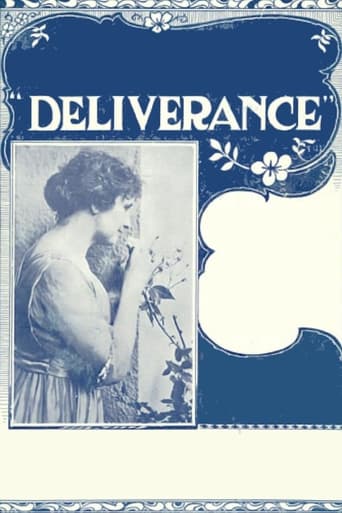
American film director who worked during the silent era, with his entire known filmography concentrated in the year 1919. His most significant and only documented directorial work was the silent film 'Deliverance' (1919), which was based on a story about the life of Helen Keller. Platt emerged during the transitional period of American cinema when feature films were becoming the industry standard, but his career appears to have been exceptionally brief, lasting only a single year. The film 'Deliverance' was notable for its time as it tackled the inspirational story of Keller's triumph over blindness and deafness, featuring both established actors and actual deaf-blind performers. Despite the historical significance of his subject matter, Platt seemingly vanished from the film industry after 1919, making him one of cinema's more mysterious one-hit wonders from the silent era. Little is known about his background, training, or what led to his sudden departure from filmmaking after just one production.
The Craft
Behind the Camera
Based on his single known work 'Deliverance', Platt demonstrated a documentary-like approach to storytelling, blending dramatic narrative with educational elements. His direction showed sensitivity to the subject matter of disability and human perseverance, using visual storytelling techniques appropriate for silent cinema. The film incorporated both professional actors and actual individuals with disabilities, suggesting Platt's interest in authenticity and social consciousness in filmmaking.
Milestones
- Directed the silent film 'Deliverance' (1919)
- Worked on a film about Helen Keller's life
- Contributed to early American cinema during the silent era
Best Known For
Must-See Films
Working Relationships
Studios
Why They Matter
Impact on Culture
George Foster Platt's cultural impact, though brief, lies in his contribution to early disability representation in cinema through 'Deliverance' (1919). The film was among the first to seriously address the challenges and triumphs of individuals with disabilities, particularly focusing on Helen Keller's remarkable story. At a time when disabled characters were often portrayed stereotypically or not at all, Platt's work helped pioneer more sensitive and authentic representation, influencing how subsequent filmmakers would approach similar subject matter.
Lasting Legacy
George Foster Platt's legacy is that of a cinematic enigma - a director who made one significant film and then disappeared from historical records. 'Deliverance' remains his lasting contribution to film history, serving as an important early example of biographical filmmaking and disability representation. While his career was exceptionally brief, his choice to tackle the Helen Keller story demonstrated artistic ambition and social consciousness that was ahead of its time in silent cinema.
Who They Inspired
Due to the brevity of his career, Platt's direct influence on other filmmakers is difficult to trace. However, 'Deliverance' contributed to the growing trend of biographical films in the silent era and helped establish precedents for how disability could be portrayed with dignity and authenticity on screen. The film's approach to blending dramatic narrative with educational elements may have influenced subsequent filmmakers working on socially conscious subjects.
Off Screen
Very little is documented about George Foster Platt's personal life, adding to the mystery surrounding this brief figure in cinema history. His single year of activity in 1919 followed by complete disappearance from film records suggests either a career change, personal circumstances, or possibly that he used a pseudonym. The lack of biographical information is typical of many early film industry figures whose contributions were not extensively documented during cinema's formative years.
Did You Know?
- George Foster Platt's entire known directorial career consists of just one film in 1919
- His film 'Deliverance' was one of the earliest cinematic depictions of Helen Keller's life
- The film was produced by the Mayflower Photoplay Company
- Platt is
- His film featured both professional actors and actual deaf-blind performers
- The timing of his career (1919) places him at the end of World War I, during a transitional period in American cinema
- No other films directed by Platt have been discovered by film historians
- His disappearance from film records after 1919 makes him a subject of speculation among cinema historians
Frequently Asked Questions
Who was George Foster Platt?
American on YTB.my. His career appears to have lasted only a single year, making him one of cinema's more mysterious and brief figures from the early 20th century.
What films is George Foster Platt best known for?
Titles linked here include Deliverance (1919).
When was George Foster Platt born and when did he die?
Unfortunately, the birth and death dates of George Foster Platt are not documented in historical records, adding to the mystery surrounding this brief figure in cinema history. His only known activity in the film industry was in 1919.
What awards did George Foster Platt win?
There are no records of George Foster Platt receiving any major awards or nominations for his work. Given that his career consisted of only one film in 1919, before the establishment of the Academy Awards, he would not have been eligible for most formal recognition.
What was George Foster Platt's directing style?
Based on his single known work 'Deliverance', Platt demonstrated a documentary-like approach to storytelling, blending dramatic narrative with educational elements. His direction showed sensitivity to portraying disability with authenticity, incorporating both professional actors and actual individuals with disabilities in his film.