Films
4 films
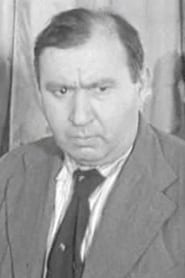
About Iona Biy-Brodskiy
Soviet actor who rose to prominence during the early sound era of Soviet cinema in the 1930s. His career, though relatively brief, spanned from 1933 to 1938, during which he appeared in several significant adaptations of classic literature and children's stories. Biy-Brodskiy demonstrated particular skill in character roles, often bringing depth to supporting parts in ensemble casts. His work in films like 'Treasure Island' (1937) and 'Doctor Aybolit' (1938) showcased his versatility in both dramatic and family-oriented productions. As part of the Soviet film industry's golden age, he contributed to the cinematic adaptations that became cultural touchstones for Soviet audiences. His performances reflected the theatrical traditions of Russian acting while embracing the new possibilities of sound cinema. Though his filmography was cut short by the late 1930s, his contributions to classic Soviet adaptations remain part of cinema history.
The Craft
On Screen
Characterized by strong theatrical influences typical of Soviet actors of the 1930s, with emphasis on clear diction for early sound films and expressive character work in supporting roles
Milestones
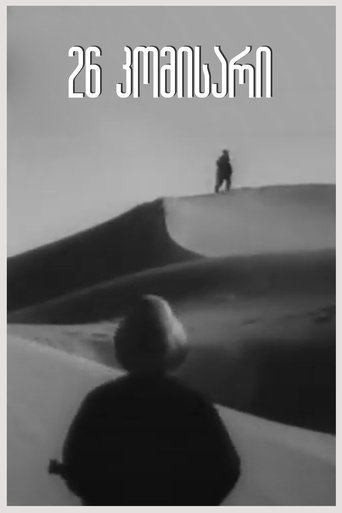
- Debut in '26 Commissioners' (1933)
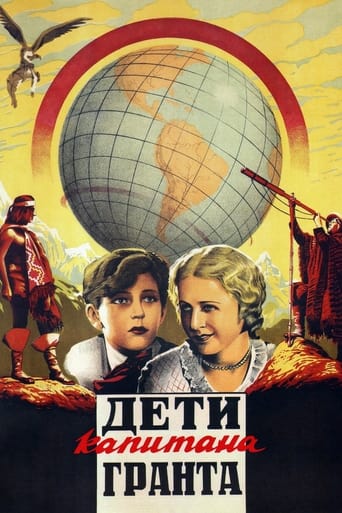
- Role in 'Capt. Grant's Family' (1936)
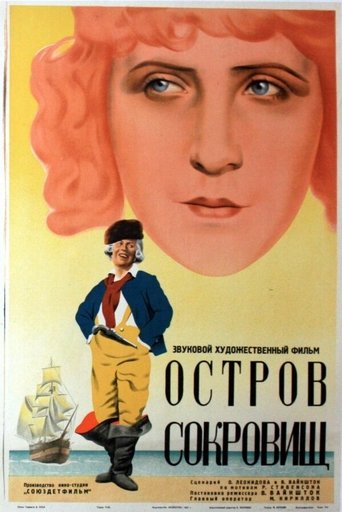
- Performance in 'Treasure Island' (1937)
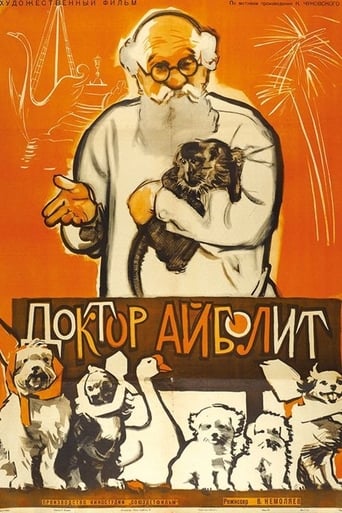
- Appearance in 'Doctor Aybolit' (1938)
Best Known For
Iconic Roles
Must-See Films
Working Relationships
Studios
Why They Matter
Impact on Culture
Iona Biy-Brodskiy contributed to the Soviet cinema's tradition of adapting classic literature for the screen during a formative period of Soviet film history. His work in adaptations like 'Treasure Island' and 'Doctor Aybolit' helped bring beloved stories to Soviet audiences, contributing to the cultural literacy of generations through the medium of cinema. As part of ensemble casts in these productions, he represented the collaborative nature of Soviet filmmaking, where character actors played crucial roles in creating the cinematic storytelling.
Lasting Legacy
Though not widely remembered internationally, Iona Biy-Brodskiy's performances in classic Soviet adaptations of the 1930s represent an important chapter in the history of Soviet cinema. His work in bringing literary classics to the screen contributed to the educational and cultural mission of Soviet film during this period. These films, in which he participated, continue to be studied as examples of early Soviet sound cinema and the era's approach to adapting international literature for domestic audiences.
Who They Inspired
As a character actor during the foundational years of Soviet sound cinema, Biy-Brodskiy was part of the generation that helped establish acting techniques for the new medium. His work in ensemble productions contributed to the development of supporting character roles in Soviet film, demonstrating how even smaller parts could enhance the overall narrative impact of literary adaptations.
Off Screen
Limited biographical information is available about Iona Biy-Brodskiy's personal life, which was common for many Soviet character actors of his era whose private details were not extensively documented in public records.
Did You Know?
- Active during the transition from silent to sound cinema in the Soviet Union
- Appeared in multiple adaptations of Western literature for Soviet audiences
- His film active years covered only five years but included several notable productions
- Worked during
- Participated in films that became classics of Soviet children's cinema
- His career coincided with the establishment of Socialist Realism in Soviet arts
- Appeared in both historical dramas and family-oriented films
Frequently Asked Questions
Who was Iona Biy-Brodskiy?
Soviet with credits in this catalog. He worked during the early sound era of Soviet cinema, primarily in character and supporting roles.
What films is Iona Biy-Brodskiy best known for?
Titles linked here include 26 Commissioners (1933), Capt. Grant's Family (1936).
When was Iona Biy-Brodskiy active in film?
Iona Biy-Brodskiy's film active years covered from 1933 to 1938, covering a five-year period during the early sound era of Soviet cinema.
What was Iona Biy-Brodskiy's acting style?
His acting style reflected the theatrical traditions common among Soviet actors of the 1930s, with emphasis on clear diction for sound films and expressive character work, particularly in supporting roles within ensemble casts.
What was Iona Biy-Brodskiy's contribution to Soviet cinema?
Biy-Brodskiy contributed to Soviet cinema's mission of adapting classic literature for the screen, helping bring beloved stories to Soviet audiences during a formative period of the country's film industry.