Films
1 film
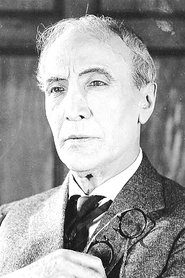
About Stephen Grattan
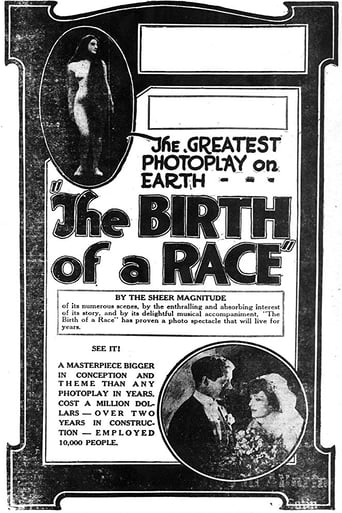
American actor of the silent era, with his only known credited role being in the 1918 film 'The Birth of a Race.' This film was produced as a direct response to D.W. Griffith's controversial 'The Birth of a Nation' (1915), attempting to present a more balanced and positive portrayal of African Americans and immigrants in American history. Grattan's career appears to have been extremely brief, spanning only the year 1918, which was not uncommon for many actors in the early days of cinema who appeared in only one or two films before leaving the industry. Like many actors from this period, detailed records of his life and career are scarce, as the film industry was still establishing its practices for documentation and record-keeping. His participation in this historically significant film places him within the context of early African American cinema and the broader movement to counter racist portrayals in mainstream Hollywood productions of the era.
The Craft
Milestones
- Appeared in 'The Birth of a Race' (1918), a historically significant response to D.W. Griffith's 'The Birth of a Nation'
Best Known For
Iconic Roles
Must-See Films
Why They Matter
Impact on Culture
Stephen Grattan's cultural impact is primarily tied to his participation in 'The Birth of a Race' (1918), which stands as an important early attempt to counter the racist narratives prevalent in American cinema at the time. The film was part of a broader movement by African American filmmakers and their allies to create more authentic and positive representations of Black life on screen. Although Grattan himself was not a major figure in cinema, his involvement in this historically significant production places him within the context of early efforts to challenge Hollywood's racial stereotypes. The film, though largely forgotten today, represents an important milestone in the development of African American cinema and the ongoing struggle for representation in the film industry.
Lasting Legacy
Stephen Grattan's legacy is that of a participant in one of the earliest counter-narrative films in American cinema history. While his individual contribution to the film industry was minimal, his association with 'The Birth of a Race' connects him to the broader historical movement toward more diverse and authentic storytelling in Hollywood. The film itself serves as an important artifact of early 20th century efforts to combat racism in popular media, and all who participated in its production, including Grattan, are part of this significant historical moment in cinema.
Who They Inspired
Given his extremely brief career and limited filmography, Stephen Grattan's direct influence on other actors or filmmakers is not documented. However, his participation in 'The Birth of a Race' contributes to the film's historical importance as an early example of resistance to racist filmmaking practices in Hollywood.
Off Screen
Very little is known about Stephen Grattan's personal life, which is typical for many actors from the early silent era who had brief film careers.
Did You Know?
- The Birth of a Race was produced with a budget of $250,000, a substantial sum for 1918
- The film was created as a direct response to D.W. Griffith's controversial 'The Birth of a Nation' (1915)
- The production faced numerous financial difficulties and was taken over by different producers during filming
- The film's original director, John W. Noble, was replaced during production
- Very few copies of the film survive today, making it one of the many lost or partially lost films from the silent era
- The film was promoted as 'the most important motion picture ever produced' in its marketing materials
- Despite its historical significance, the film was not commercially successful upon release
- The production involved both white and African American filmmakers, which was unusual for the period
Frequently Asked Questions
Who was Stephen Grattan?
Screen credits include only one known film, 'The Birth of a Race' (1918). His career was extremely brief, spanning only the year 1918, which was common for many actors in early cinema who appeared in just one or two productions.
What films is Stephen Grattan best known for?
Titles linked here include The Birth of a Race (1918).
When was Stephen Grattan born and when did he die?
Unfortunately, specific birth and death dates for Stephen Grattan are not available in historical records, which is typical for many actors from the early silent era who had brief careers and limited documentation.
What awards did Stephen Grattan win?
There are no records of Stephen Grattan receiving any awards or nominations for his work in film. The Academy Awards were not established until 1929, well after his brief career had ended.
What was Stephen Grattan's acting style?
Due to the scarcity of surviving footage and documentation about Stephen Grattan's work, his specific acting style cannot be determined. Like many actors from this period, he would have used the exaggerated gestures and expressions typical of silent film performance.
Why is 'The Birth of a Race' historically significant?
'The Birth of a Race' is historically significant as one of the earliest cinematic responses to racist portrayals in film, specifically countering D.W. Griffith's 'The Birth of a Nation.' The film represented an early effort by African American filmmakers and their allies to create more positive and authentic representations of Black life on screen.