Viktor Dragunsky
Actor
Born: December 1, 1913 in Moscow, Russian Empire Died: May 6, 1972 Active: 1948-1948 (acting), 1930s-1972 (writing) Birth Name: Viktor Yuzefovich Dragunsky
Films
1 film
About Viktor Dragunsky
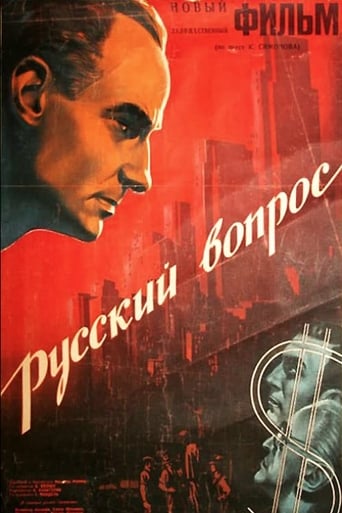
Viktor Dragunsky was primarily known as one of Soviet Russia's most beloved children's authors, though he did have a brief and minor acting career. Born in Moscow in 1913, he began his professional life working various jobs including as a prop master at the Moscow Art Theatre before discovering his talent for writing. While he appeared in the 1948 Soviet film 'The Russian Question,' acting was not his primary vocation but rather a peripheral activity. His true calling emerged in children's literature, where he created the immensely popular 'Deniskiny Rasskazy' (Deniska's Stories) series, featuring the adventures of a young boy named Deniska Korablev. These humorous and heartwarming stories captured the essence of Soviet childhood and became classics of Russian children's literature. Throughout his career, Dragunsky also wrote for radio, television, and theater, adapting many of his stories for various media. Despite his brief foray into acting, his lasting legacy remains firmly rooted in his contributions to children's literature, where his works continue to be cherished by generations of Russian readers.
The Craft
On Screen
Naturalistic and understated, typical of Soviet realist cinema of the period
Milestones
- Publication of first children's stories
- Creation of Deniska Korablev character
- Minor role in 'The Russian Question' (1948)
- Adaptation of works for radio and television
- Recognition as one of Soviet Union's most popular children's authors
Best Known For
Iconic Roles
Must-See Films
Accolades
Won
- Order of the Badge of Honor
- RSFSR State Prize
Special Recognition
- Streets named after him in Russian cities
- Schools bearing his name
- Postal stamps commemorating his contributions to literature
Working Relationships
Worked Often With
Studios
Why They Matter
Impact on Culture
Viktor Dragunsky had a profound impact on Soviet and Russian children's literature, creating characters and stories that became part of the cultural fabric. His Deniska stories captured the innocence and humor of childhood in a way that transcended the Soviet context and continues to resonate with readers today. His work helped shape generations of Russian children's understanding of humor, friendship, and family values.
Lasting Legacy
Dragunsky's legacy endures primarily through his beloved children's books, which remain in print and are widely read in Russia and former Soviet republics. His stories have been adapted into films, cartoons, and theatrical productions, ensuring their continued relevance. The character of Deniska Korablev has become an figure in Russian children's literature, comparable to characters like Pippi Longstocking in Western literature.
Who They Inspired
Dragunsky influenced generations of Russian children's authors with his gentle humor and authentic portrayal of childhood. His ability to capture the child's perspective without condescension set a standard for children's literature in the Soviet Union. Many contemporary Russian children's writers cite him as a major influence on their work.
Off Screen
Viktor Dragunsky married twice and had two children. His personal life was marked by the challenges of being a Jewish writer in Soviet Russia, though he managed to navigate the political landscape successfully. He was known for his warmth, humor, and deep love for children, which greatly influenced his writing. His experiences during World War II and observations of Soviet childhood provided rich material for his stories.
Education
Self-educated, did not attend formal university but was well-read and intellectually curious
Family
- Raisa Stepanovna (first marriage)
- Alla Borisovna (second marriage)
Did You Know?
- His acting career consisted of only minor roles, with 'The Russian Question' being his most notable film appearance
- He originally worked as a prop master at the Moscow Art Theatre before turning to writing
- The character Deniska was named after his own son, Denis
- His stories were often autobiographical, drawing from his own childhood experiences
- He wrote over 100 stories about Deniska throughout his career
- His works have been translated into more than 20 languages
- Despite his Jewish heritage, he managed to maintain popularity throughout the Soviet period
- He was a member of the Soviet Writers' Union
- His stories often featured subtle social commentary disguised as children's humor
- The Moscow apartment where he lived is now a museum dedicated to his life and work
In Their Own Words
Childhood is the most honest time of life, when we don't yet know how to pretend
Every child is a genius in their own way, we just need to learn to see it
Humor is the language that children understand best
The best stories are those that make both children and adults laugh
Writing for children is the most serious work I know
Frequently Asked Questions
Who was Viktor Dragunsky?
Soviet writer best known for his beloved children's stories, particularly the 'Deniskiny Rasskazy' (Deniska's Stories) series. While he had a brief acting career with a minor role in 'The Russian Question' (1948), his primary contribution to Russian culture was through children's literature.
What films is Viktor Dragunsky best known for?
Titles linked here include The Russian Question (1948).
When was Viktor Dragunsky born and when did he die?
Born December 1, 1913; died May 6, 1972.
What awards did Viktor Dragunsky win?
Dragunsky received the Order of the Badge of Honor and the RSFSR State Prize for his contributions to Soviet children's literature. His works continue to be celebrated posthumously through various cultural honors.
What was Viktor Dragunsky's acting style?
Dragunsky's acting style was naturalistic and understated, typical of the Soviet realist cinema of the 1940s. His brief film appearances were characterized by subtle, authentic performances that aligned with the social realist aesthetic of Soviet cinema.
What is Viktor Dragunsky's legacy in Russian literature?
Dragunsky's legacy lies primarily in his creation of the Deniska stories, which became classics of Russian children's literature. His works continue to be read by Russian children and have been adapted into numerous films, cartoons, and theatrical productions.
Did Viktor Dragunsky have any famous family members?
His son, Denis Dragunsky, followed in his father's footsteps and became a writer himself. The character of Deniska in Viktor's stories was named after his son, who later also contributed to Russian literature.