Films
2 films
About Raisa Puzhnaya
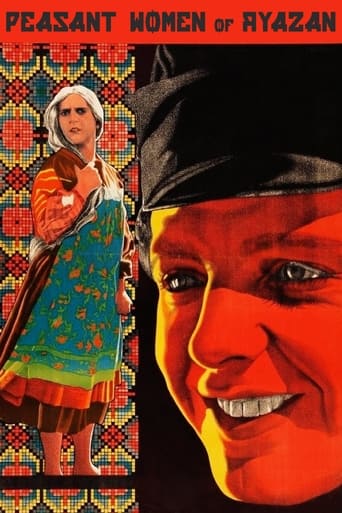
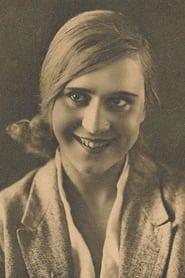
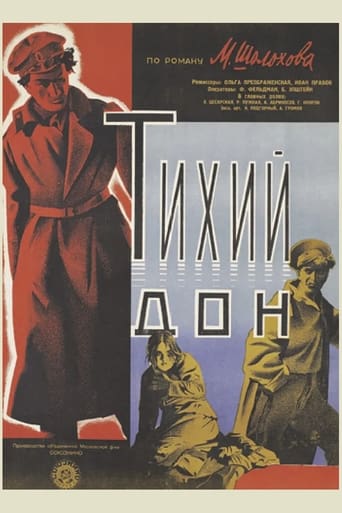
Soviet actress who emerged during the transformative period of Soviet cinema in the late 1920s. She gained recognition for her work in two significant early Soviet films that captured the revolutionary spirit and social themes characteristic of the era. Her performance in 'The Peasant Women of Ryazan' (1927), directed by Olga Preobrazhenskaya, showcased her ability to embody the struggles and resilience of rural Soviet women. In 1931, she appeared in 'And Quiet Flows the Don,' an ambitious adaptation of Mikhail Sholokhov's epic novel, which was one of the earliest major Soviet sound productions. Puzhnaya's career, though brief, coincided with the crucial transition from silent films to talkies in Soviet cinema. Her work reflected the socialist realist aesthetic that was becoming dominant in Soviet arts during this period. Despite her limited filmography, her performances contributed to the foundation of Soviet narrative cinema and helped establish archetypes of Soviet womanhood on screen.
The Craft
On Screen
Puzhnaya's acting style embodied the emerging Soviet realist tradition, characterized by naturalistic performances that emphasized the collective over individual expression. Her approach reflected the ideological demands of early Soviet cinema, focusing on portraying strong, resilient working-class characters who embodied socialist ideals. In her silent film work, she utilized expressive physicality and emotional intensity to convey complex narratives without dialogue, transitioning effectively to the new demands of sound acting in the early 1930s.
Milestones
- Starred in 'The Peasant Women of Ryazan' (1927), a landmark Soviet silent film
- Appeared in 'And Quiet Flows the Don' (1931), one of the earliest Soviet sound films
- Worked during the critical transition period from silent to sound cinema in the USSR
- Collaborated with prominent Soviet directors of the era
Best Known For
Iconic Roles
Must-See Films
Working Relationships
Worked Often With
Studios
Why They Matter
Impact on Culture
Raisa Puzhnaya's contribution to Soviet cinema, while not widely documented, represents the collective effort of countless actors who helped establish the foundation of Soviet film art. Her work in 'The Peasant Women of Ryazan' contributed to the important genre of rural dramas that explored the transformation of traditional Russian life following the revolution. The film itself was significant for its feminist perspective and focus on women's experiences, themes that were progressive for their time. Her participation in the early sound adaptation of 'And Quiet Flows the Don' placed her at the forefront of technological innovation in Soviet cinema, helping bridge the gap between silent and sound eras.
Lasting Legacy
Raisa Puzhnaya's legacy is preserved through her surviving film performances, which continue to be studied by film historians interested in early Soviet cinema. Her work shows the many talented actors who contributed to the golden age of Soviet film but whose individual stories remain largely undocumented. The films she appeared in, particularly 'The Peasant Women of Ryazan,' are recognized as important works in the canon of world cinema, ensuring that her performances remain accessible to future generations of film enthusiasts and scholars.
Who They Inspired
While specific documentation of Puzhnaya's influence on other actors is limited, her work exemplified the acting techniques and approaches that would become standard in Soviet cinema. Her transition from silent to sound film demonstrated the adaptability required of actors during this technological revolution, potentially serving as a model for other performers navigating similar challenges. The naturalistic style she employed in portraying working-class characters aligned with the socialist realist aesthetic that would dominate Soviet arts for decades.
Off Screen
Very little is documented about Raisa Puzhnaya's personal life, which was common for many Soviet actors of her generation who were not among the most prominent stars. Like many artists working in early Soviet cinema, she likely experienced the challenges and uncertainties of working during a period of tremendous political and artistic transformation in the USSR.
Did You Know?
- 'The Peasant Women of Ryazan' was one of the few Soviet films of the 1920s to focus primarily on female protagonists and their struggles
- The film was directed by Olga Preobrazhenskaya, one of the few prominent female directors in early Soviet cinema
- 'And Quiet Flows the Don' was based on Mikhail Sholokhov's novel, which would later win the Nobel Prize in Literature
- Both films Puzhnaya appeared in dealt with themes of rural life and social transformation in post-revolutionary Russia
- The transition to sound in Soviet cinema happened slightly later than in Hollywood, making Puzhnaya's 1931 film relatively early in Soviet sound production
- Many Soviet actors from this period had their careers disrupted by political purges of the 1930s
- The preservation of early Soviet films was often poor due to wartime destruction and neglect
- Soviet actors of this era were often employees of state film studios rather than independent contractors
Frequently Asked Questions
Who was Raisa Puzhnaya?
Soviet actress active in the late 1920s and early 1930s, known for her roles in 'The Peasant Women of Ryazan' (1927) and 'And Quiet Flows the Don' (1931). She worked during the crucial transition period from silent to sound cinema in the Soviet Union.
What films is Raisa Puzhnaya best known for?
Titles linked here include The Peasant Women of Ryazan (1927), And Quiet Flows the Don (1931).
When was Raisa Puzhnaya born and when did she die?
Born 1903; died death date not listed.
What awards did Raisa Puzhnaya win?
There are no documented awards or major honors specifically attributed to Raisa Puzhnaya, which was not uncommon for many supporting actors in early Soviet cinema. Her recognition comes primarily through the historical significance of the films she appeared in.
What was Raisa Puzhnaya's acting style?
Puzhnaya's acting style reflected the emerging Soviet realist tradition, emphasizing naturalistic performances that portrayed strong, resilient working-class characters. She effectively transitioned from the expressive physicality required in silent films to the more nuanced approach needed for sound cinema.
What was the significance of the films Raisa Puzhnaya appeared in?
The films she appeared in were significant in Soviet cinema history: 'The Peasant Women of Ryazan' was notable for its feminist perspective and focus on rural women's experiences, while 'And Quiet Flows the Don' was an ambitious early sound adaptation of a Nobel Prize-winning novel.