Ashley Montagu
Actor
Born: June 28, 1905 in London, England Died: November 26, 1999 Active: 1973-1973 Birth Name: Israel Ehrenberg
Films
1 film
About Ashley Montagu
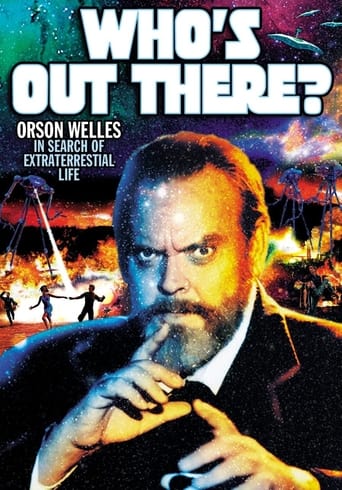
Ashley Montagu was actually not primarily an actor but a renowned British-American anthropologist and humanist scholar. Born in London as Israel Ehrenberg, he emigrated to the United States and became anthropologists of the 20th century. His academic career included positions at Columbia University, Rutgers University, and Princeton University. Montagu — prolific author who wrote over 60 books on topics ranging from race relations to human evolution and child development. His most famous works include 'The Natural Superiority of Women' (1953) and 'The Elephant Man' (1971). While he occasionally appeared in documentaries and television programs as an expert commentator, his appearance in 'Who's Out There?' (1973) was as himself, providing anthropological perspective on the possibility of extraterrestrial life. His film appearances were extensions of his scholarly work rather than an acting career.
The Craft
Milestones
- Published 'The Natural Superiority of Women' (1953)
- Wrote influential work 'The Elephant Man' (1971)
- Appeared in 'Who's Out There?' documentary (1973)
- Taught at Columbia University and Rutgers University
- Became prominent humanist and civil rights advocate
Best Known For
Iconic Roles
Must-See Films
Accolades
Won
- American Humanist Association Humanist of the Year (1995)
Special Recognition
- American Humanist Association Humanist of the Year
- Fellow of the American Association for the Advancement of Science
Why They Matter
Impact on Culture
Ashley Montagu had a profound impact on 20th-century thought through his anthropological writings and social activism. He challenged racist theories and promoted the concept of race as a social construct rather than a biological reality. His work on human nature and child development influenced parenting practices and educational approaches. His advocacy for women's equality and human rights helped shape modern progressive thought. While his film appearances were minimal, his scholarly work reached millions through books and media appearances.
Lasting Legacy
Montagu's legacy lies primarily in his contributions to anthropology, sociology, and human rights advocacy. His books continue to be cited in academic and popular discussions about race, gender, and human nature. He helped popularize anthropological concepts for the general public and made science accessible to non-specialists. His humanistic philosophy influenced generations of scholars and activists. The documentary 'Who's Out There?' represents one of the few instances where his expertise was captured on film for posterity.
Who They Inspired
Montagu influenced numerous scholars, activists, and public intellectuals through his writings and public appearances. His work on race and gender prefigured later developments in civil rights and feminist movements. His interdisciplinary approach to understanding human behavior inspired later anthropologists to engage with contemporary social issues. His ability to communicate complex ideas to the public set a model for later public intellectuals.
Off Screen
Ashley Montagu married twice and had three children. He was a passionate advocate for human rights, racial equality, and women's rights throughout his life. His personal philosophy emphasized the importance of love, cooperation, and understanding in human society. He became a naturalized American citizen in 1940 and remained an influential public intellectual until his death.
Education
University College London (undergraduate), Columbia University (PhD in Anthropology, 1937)
Family
- Marjorie Giles (1927-1936)
- Muriel McLaughlin (1938-1999)
Did You Know?
- Changed his name from Israel Ehrenberg to Ashley Montagu in his youth
- Was a close friend of science fiction writer Isaac Asimov
- Testified before the U.S. Senate on civil rights issues
- Was an outspoken critic of racial segregation and discrimination
- Wrote the foreword to 'The Feminine Mystique' by Betty Friedan
- His book 'The Elephant Man' helped bring attention to the story of Joseph Merrick
- Was a consultant on several television programs about human behavior
- Advocated for more compassionate approaches to child-rearing
- Was an early proponent of the importance of touch in human development
- Appeared on numerous television talk shows as an expert commentator
In Their Own Words
The natural superiority of women is a biological fact, and a much more important fact than has yet been realized.
The deepest human need is the need to be appreciated.
Science has taught us that all races are equal in their capacity for humanity.
Love is the greatest of all human needs, and the most powerful of all human forces.
The measure of a society is how it treats its most vulnerable members.
Frequently Asked Questions
Who was Ashley Montagu?
Renowned British-American anthropologist and humanist scholar who wrote influential books on race, gender, and human nature. While he appeared in the 1973 documentary 'Who's Out There?', he was primarily known for his academic work rather than acting.
What films is Ashley Montagu best known for?
Titles linked here include Who's Out There? (1973).
When was Ashley Montagu born and when did he die?
Born June 28, 1905; died November 26, 1999.
What awards did Ashley Montagu win?
Montagu was named Humanist of the Year by the American Humanist Association in 1995 and was a Fellow of the American Association for the Advancement of Science. His recognition came primarily from his academic and humanistic contributions.
What was Ashley Montagu's main contribution to society?
Montagu's main contributions were his anthropological writings that challenged racist theories and promoted human equality, his advocacy for women's rights, and his work on human development and child-rearing practices.
Did Ashley Montagu have a career in acting?
No, Ashley Montagu did not have a career in acting. His appearance in 'Who's Out There?' was as himself, an expert anthropologist being interviewed for a documentary, not as an actor playing a role.
What were Ashley Montagu's most famous books?
His most famous books include 'The Natural Superiority of Women' (1953), 'The Elephant Man' (1971), 'Man's Most Dangerous Myth: The Fallacy of Race' (1942), and 'Touching: The Human Significance of the Skin' (1971).