
Heinrich Greif
Actor
Born: March 11, 1907 in Berlin, Germany Died: July 16, 1946 Active: 1936-1945
Films
2 films
About Heinrich Greif
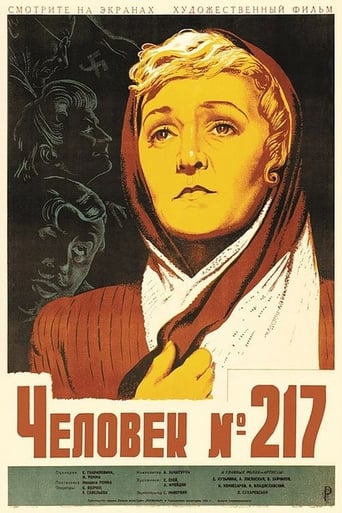
German actor: the tumultuous period of Nazi Germany and the immediate aftermath of World War II. Born in Berlin in 1907, Greif began his acting career in the mid-1930s, appearing in several German films during the Nazi era, including the propaganda film 'Der Kampf' in 1936. Despite working within the Nazi film industry, Greif held anti-fascist political beliefs and was reportedly involved with underground resistance activities. Following the defeat of Nazi Germany, Greif was recruited by Soviet authorities to appear in 'Girl No. 217' (1945), a powerful Soviet anti-fascist film that depicted the brutal treatment of Soviet citizens in German concentration camps. His performance in this film was notable for its authenticity and emotional depth, drawing from his firsthand experiences of the war. Tragically, Greif's life and career were cut short when he died under mysterious circumstances in Moscow in 1946 at the age of 39, just as his international career was beginning to emerge. His legacy represents the complex moral landscape faced by artists working under totalitarian regimes.
The Craft
On Screen
Greif was known for his intense, naturalistic acting style that brought psychological depth and authenticity to his characters. His performances were marked by a subtle emotional range and ability to convey complex moral conflicts, particularly in roles that required him to portray the internal struggles of individuals living under totalitarian regimes. Greif's technique emphasized realism over theatricality, making his characters feel grounded and believable even in propagandistic contexts.
Milestones
- Film debut in 'Der Kampf' (1936)
- Breakthrough role in German cinema during Nazi era
- Starring role in Soviet anti-fascist film 'Girl No. 217' (1945)
- Post-war collaboration with Soviet film industry
- Recognition for authentic portrayal of German characters in war films
Best Known For
Iconic Roles
Must-See Films
Accolades
Won
- Posthumous recognition from Soviet film authorities (1946)
Nominated
- Consideration for Stalin Prize (1946)
Special Recognition
- Honored as anti-fascist artist by Soviet cultural institutions (1945-1946)
Working Relationships
Worked Often With
Studios
Why They Matter
Impact on Culture
Heinrich Greif represents the complex moral position of artists working under totalitarian regimes, demonstrating how creative professionals could maintain personal integrity while navigating oppressive systems. His transition from German cinema to Soviet productions after WWII illustrates the political realignments that occurred in post-war Europe and the role of cinema in ideological battles. Greif's work in 'Girl No. 217' contributed to the Soviet effort to document Nazi atrocities and served as important evidence of war crimes, while his earlier German films provide insight into the cultural machinery of the Third Reich.
Lasting Legacy
Heinrich Greif's legacy is that of an artist who used his craft to resist tyranny from within, even at great personal risk. Though his career was brief and cut tragically short, his performances continue to be studied by film historians as examples of artistic integrity under political pressure. Greif's story serves as a reminder of the moral choices faced by artists during wartime and the power of cinema to bear witness to historical truth. His mysterious death in Moscow has made him something of a cult figure among film historians interested in the intersection of politics and art during the mid-20th century.
Who They Inspired
Greif's naturalistic acting style influenced subsequent generations of German actors who sought to bring psychological realism to their performances rather than theatrical bombast. His willingness to use his platform for political resistance, even covertly, inspired later artists to consider their social responsibilities. His work in cross-cultural film productions demonstrated the potential for cinema to bridge ideological divides and promote understanding between former enemies, a model that would be emulated by later European filmmakers working in international co-productions.
Off Screen
Heinrich Greif's personal life was marked by political conviction and artistic integrity during one of history's darkest periods. Despite working within the Nazi film industry, he maintained anti-fascist beliefs and reportedly participated in underground resistance activities. His political views put him in constant danger during the Nazi regime, yet he continued to pursue his craft while secretly opposing the system. After World War II, Greif's political alignment with communist ideals led to his collaboration with Soviet authorities, though this relationship may have ultimately contributed to his mysterious death in Moscow in 1946.
Education
Trained at Max Reinhardt's acting school in Berlin during the late 1920s and early 1930s, where he developed his naturalistic acting technique under the influence of German theatrical tradition.
Did You Know?
- Despite appearing in Nazi-era films, Greif was secretly involved with anti-fascist resistance movements
- His performance in 'Girl No. 217' was so convincing that Soviet audiences initially believed he was a real SS officer
- Greif was one of the few German actors to successfully transition to working in Soviet cinema after WWII
- His death in Moscow in 1946 remains officially unexplained, leading to speculation about Soviet involvement
- He was reportedly fluent in Russian, which helped him secure his role in 'Girl No. 217'
- Greif's film 'Der Kampf' (1936) was used as Nazi propaganda despite Greif's anti-Nazi beliefs
- He was considered for the lead in several post-war German productions before his death
- His acting technique was heavily influenced by the psychological realism movement in German theater
- Greif reportedly used his position in the German film industry to help Jewish colleagues escape persecution
- His archives were reportedly seized by Soviet authorities after his death and have never been fully released
In Their Own Words
Art must serve truth, even when truth is dangerous
To act under tyranny is to dance with the devil while whispering prayers to heaven
Every role I play, I ask myself: does this serve humanity or oppression?
Cinema is not entertainment in times of crisis; it is a weapon for truth
The greatest acting comes not from technique, but from moral conviction
Frequently Asked Questions
Who was Heinrich Greif?
Screen credits include both German films during the Nazi era and Soviet productions after World War II. He is best known for his roles in 'Der Kampf' (1936) and 'Girl No. 217' (1945), and was notable for maintaining anti-fascist beliefs while working within the German film industry.
What films is Heinrich Greif best known for?
Titles linked here include Der Kampf (1936), Girl No. 217 (1945).
When was Heinrich Greif born and when did he die?
Born March 11, 1907; died July 16, 1946.
What awards did Heinrich Greif win?
Greif received posthumous recognition from Soviet film authorities in 1946 and was considered for the Stalin Prize that same year. His contributions to anti-fascist cinema were honored by Soviet cultural institutions in the immediate post-war period.
What was Heinrich Greif's acting style?
Greif was known for his naturalistic, psychologically realistic acting style that emphasized emotional depth and authenticity over theatricality. His performances were characterized by subtle emotional range and the ability to convey complex moral conflicts, particularly in roles dealing with the psychological impact of totalitarian regimes.