Sonny Hicks
Actor
- Active
- 1922-1922
Films 1
About Sonny Hicks
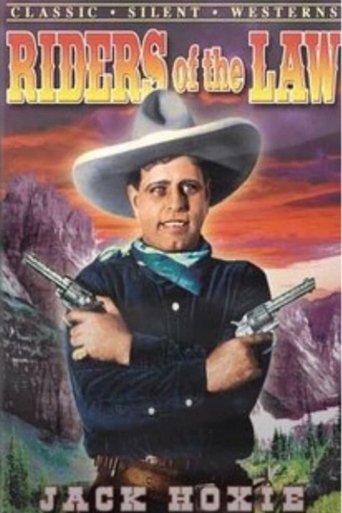
Sonny Hicks is a documented silent-era screen actor whose known film work is extremely limited and, in surviving reference sources, is chiefly associated with the 1922 western Riders of the Law. Available records indicate that he was active in the motion picture industry only in 1922, and he does not appear in standard published histories of major silent-era stars. Because of the scarcity of surviving documentation, little can be established with confidence about his personal life, training, or later career. His name appears in filmographic listings rather than in extensive biographical profiles, which suggests he may have been a minor or supporting player working in the early western market common to the period. Like many performers of the silent era whose careers were brief, his work survives primarily through cast listings rather than through interviews, studio publicity, or later retrospective coverage. As a result, Sonny Hicks is best understood today as a little-known participant in the vast and often under-documented labor force of early Hollywood, especially the western genre. His surviving credit places him among the many actors whose contributions helped populate the silent screen even when their individual biographies were not fully preserved.
More about Sonny Hicks
In film history
Sonny Hicks does not appear to have had a major documented cultural impact in the way of major stars, directors, or marquee performers from the silent era. His importance lies more in historical representation: he is part of the large body of working actors whose names survive in film credits and who helped sustain the output of early American cinema. Performers like Hicks were essential to the production of genre pictures, especially westerns, which depended on large casts of riders, henchmen, townspeople, and supporting players. Even when their individual names were not widely publicized, such actors contributed to the texture, pace, and visual credibility of silent storytelling.
Later reputation
Sonny Hicks's legacy is archival rather than celebrity-based. He survives in film history as a credited participant in Riders of the Law (1922), and his name helps scholars and database curators reconstruct the personnel networks of silent western production. For researchers of early cinema, performers like Hicks are important because they illustrate how many working actors existed outside the star system yet still formed the backbone of studio-era filmmaking. His legacy is therefore one of historical presence: a reminder that classic cinema was built not only by famous names, but also by countless lesser-known players whose work is often preserved only in cast lists and trade references.
Influence
There is no evidence that Sonny Hicks exerted a documented influence on later actors or filmmakers. However, as a silent-era western performer, he participated in a performance tradition that helped define the visual language of screen frontier stories, including expressive physical acting, clear narrative gesture, and ensemble action staging. His influence, if any, would have been indirect and cumulative, contributing to the everyday craft practices that shaped the genre rather than to a traceable personal school or movement. In historical terms, he stands as one of many anonymous professionals whose collective work influenced the development of studio-era genre cinema.
Off screen
No reliable biographical information about Sonny Hicks's personal life has been located in standard classic-cinema reference sources. His family background, marital history, children, and later life remain undocumented in the accessible historical record. This is not unusual for minor silent-era performers, many of whom left only fragmentary traces in filmographies and studio listings. Without corroborating archival evidence, any further claims about his private life would be speculative.
Credits
- Appeared in the silent western Riders of the Law (1922), the principal surviving credit associated with his name
- Worked during the silent-film era, when westerns were among the most popular and prolific American genres
- Represents the many lesser-documented actors whose careers were recorded mainly through film credits and trade references rather than extensive publicity
Roles
- Cast member in Riders of the Law (1922)
Films
- Riders of the Law (1922)
Notes
- His known film activity is limited to the year 1922.
- He is associated with the silent western genre, one of the most important early Hollywood forms.
- Riders of the Law (1922) is the principal credit by which he is remembered in surviving records.
- He appears to have been a minor or supporting performer rather than a major star.
- No verified birth or death information is readily available in standard classic-film reference material.
- His biography illustrates how many silent-era performers have been only partially documented.
- He is a good example of a film historian's challenge: a credited actor whose life details were not preserved in widely accessible sources.
Questions
Who was Sonny Hicks?
Sonny Hicks was a silent-era film actor known from surviving film credits, most notably Riders of the Law (1922). He appears to have been a minor or supporting performer rather than a major star, and very little biographical information about him has survived in standard reference sources.
What films is Sonny Hicks best known for?
He is best known for Riders of the Law (1922), which is the principal surviving film credit associated with his name. No broader confirmed filmography is readily documented in the available classic-cinema record.
When was Sonny Hicks born and when did he die?
His birth date and death date are not reliably documented in the available historical record. At present, only his activity in 1922 as a film actor can be stated with confidence.
What awards did Sonny Hicks win?
No awards or nominations are known or documented for Sonny Hicks. As a little-known silent-era supporting actor, he appears in the historical record primarily through film credits rather than through awards coverage.
What was Sonny Hicks's acting style?
There is not enough surviving information to describe a distinctive personal acting style with confidence. As a silent-era western performer, he would have worked within the conventions of expressive physical performance and clear pantomime that defined the era.
What is Sonny Hicks's legacy in film history?
His legacy is mainly archival: he represents the many early Hollywood performers whose names survive in cast lists even when detailed biographies do not. That makes him part of the historical fabric of silent cinema, especially the prolific western productions of the early 1920s.