Riders of the Law
Plot
Jack Meadows and his quick-witted sidekick Toby are working along the Canadian border to uncover a whiskey-smuggling operation. Their investigation takes a darker turn when they discover a seriously wounded sheriff who had earlier managed to catch one of the smugglers, suggesting the gang is willing to use violence to protect its trade. Near the scene, they find a horse track marked by a broken shoe, a clue that points them toward the men behind the operation. To follow the trail, Jack and Toby establish a blacksmith shop as a front, allowing them to trace the horse's owner and close in on the smugglers. The story unfolds as a straightforward early-Western pursuit, combining detective-style deduction with border-action conventions common to silent-era adventure pictures.
About the Production
Riders of the Law was mounted as a compact silent Western programmer in the early 1920s, the kind of production Fox regularly used to showcase reliable action-star Jack Hoxie. Robert N. Bradbury, who became prolific in low-budget Western filmmaking, directed the film in a brisk, functional style that emphasized stunts, horseback pursuit, and clear narrative economy over elaborate production design. Surviving documentation on budgets, release publicity, and exact shooting locations is limited, which is common for many Fox silent-era Westerns from this period. The known plot description suggests an emphasis on border smuggling and tracking clues, a variation on the standard outlaw-and-ranch frontier formula that gave the film a slightly more investigative structure than a simple chase Western.
Historical Background
Riders of the Law was released in 1922, a period when the American film industry was consolidating studio power and silent features were reaching mature narrative sophistication. Westerns were especially important at this time because they offered inexpensive, action-filled entertainment that could travel well across regional markets and appeal to audiences in both urban and rural theaters. The film’s border-smuggling premise also reflects the post-World War I era’s growing fascination with law enforcement, illegal trade, and frontier justice themes, which later would be amplified by Prohibition-era crime stories. In the early 1920s, the silent Western was evolving from short, straightforward shoot-’em-ups into more polished feature-length adventures with stronger plotting, recognizable stars, and clearer hero-villain structures. Riders of the Law matters historically as part of that transition, representing the industrially produced, mid-tier Western that helped sustain the genre’s popularity while stars like Jack Hoxie kept audiences engaged between bigger prestige productions.
Why This Film Matters
Although Riders of the Law is not one of the most famous silent Westerns, it belongs to the broader lineage of genre films that defined the screen image of the American frontier for decades. Its emphasis on tracking, border patrol, and practical frontier problem-solving contributes to the Western’s long-running association with order, vigilance, and the hero as a law-enforcing investigator rather than merely a gunfighter. Films like this helped establish recurring Western motifs—trail clues, outlaws, undercover ruses, and the moral clarity of the frontier—that later filmmakers continued to reinterpret in sound Westerns and television series. For film historians, the picture is also culturally significant as an example of the workaday studio Westerns that filled out cinema programs and sustained genre ecosystems, even when they were not treated as major prestige releases. It offers insight into how early Hollywood standardized Western iconography and hero types for mass audiences.
Making Of
Little detailed production correspondence for Riders of the Law appears to survive in widely accessible archives, but the film fits squarely into the working methods of early Fox Westerns. These productions were typically assembled with modest resources, using a small troupe of dependable actors, practical outdoor sets, and location work that could be completed efficiently. Robert N. Bradbury was known for delivering economical action pictures that relied on horses, chases, and legible stunt work rather than elaborate staging, and Jack Hoxie’s star image suited that approach well. The plot’s use of a wounded sheriff, a traceable horse with a broken shoe, and a blacksmith-shop ruse suggests the filmmakers aimed for a clean, clue-driven narrative that would keep action moving while giving the hero a clever investigative edge. As with many silent Westerns of the period, the production context is important: these films were made to be quickly distributed and frequently exhibited, meaning that even when exact making-of records are thin, the film still reflects the industrial speed and genre consistency of early 1920s studio filmmaking.
Visual Style
Specific cinematographer credit and shot-by-shot analysis are not consistently available in the surviving reference materials, but the film’s visual style would have followed the conventions of early 1920s silent Westerns: clear exterior framing, strong use of landscape for action beats, and practical compositions that emphasized riders, movement, and physical geography. Robert N. Bradbury’s Westerns generally favored direct visual storytelling, making sure the audience could follow trails, disguises, and confrontations without intertitles doing all the work. The broken-shoe clue in the plot suggests that the camera likely lingered on prop detail and physical evidence, a useful silent-cinema device for communicating deduction. The overall look would have been functional rather than ornate, relying on daylight exteriors and action staging that reinforced the hero’s mobility and the ruggedness of the setting.
Innovations
The film does not appear to be associated with major technical innovations, but it likely demonstrated solid silent-era storytelling craftsmanship. Its strongest technical device, based on the plot summary, is the use of visible clues such as a broken horseshoe to guide the narrative, allowing visual deduction to replace spoken explanation. The blacksmith-shop disguise also reflects clever practical staging, enabling the hero to gather information without stopping the action. As a genre piece, the film’s accomplishment lies in its efficiency: it combined frontier action, procedural investigation, and easily readable visual storytelling in a compact running time.
Music
As a silent film, Riders of the Law did not have an original synchronized recorded soundtrack. Like most releases of its era, it would have been exhibited with live musical accompaniment that varied by theater, often using a pianist, organist, or small ensemble. The music would typically have been improvised or drawn from cue sheets and stock mood pieces, highlighting chase scenes, suspense, and moments of danger. No specific surviving commissioned score is commonly documented.
Memorable Scenes
- Jack Meadows and Toby discovering the badly wounded sheriff, which abruptly raises the stakes and confirms the smugglers’ violence.
- The sighting of the hoofprint from a horse with a broken shoe, a simple but effective clue that shifts the film into pursuit mode.
- Jack and Toby setting up a blacksmith shop as a cover, turning an ordinary frontier business into an undercover surveillance post.
- The gradual tracing of the horse owner through the substituted shoe, which functions as the film’s central detective mechanism.
Did You Know?
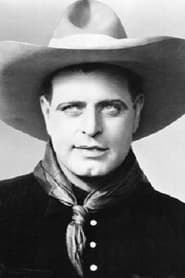
- The film stars Jack Hoxie, one of the better-known silent Western leads of the early 1920s, who was often cast as a dependable frontier hero.
- Robert N. Bradbury later became especially associated with low-budget Westerns and is remembered today as the father of actor/director Bob Steele.
- The available plot summary makes the film’s central clue a broken horseshoe, giving it a quasi-detective element unusual in some otherwise straightforward Westerns.
- The story involves whiskey smugglers along the Canadian border, reflecting the era's interest in frontier law enforcement and smuggling plots.
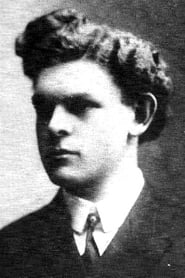
- Marin Sais appears among the principal cast; she was a prolific silent-era actress with many western and melodramatic roles.
- Like many Fox silent Westerns, the film was likely produced quickly and economically, with action and clear storytelling prioritized for broad rural and small-town audiences.
- The film survives mainly in cataloging records and plot summaries rather than in widely circulated modern prints, which makes exact production details harder to verify.
- The presence of a blacksmith-shop disguise in the plot is a classic silent-era Western device used to facilitate surveillance and undercover tracking.
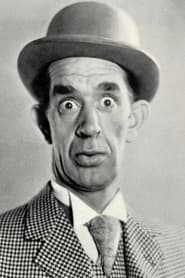
- Frank Rice, another familiar supporting player in silent Westerns, was often cast in sturdy character roles that grounded these films in a rugged frontier atmosphere.
- The film is one of many early Fox Westerns that helped build the studio's reputation for dependable, popular genre programming before the sound era.
What Critics Said
Contemporary critical coverage for Riders of the Law is sparse in surviving sources, which is typical for many 1920s genre programmers. The film was likely reviewed as a routine but efficient Western vehicle, judged on its action, pacing, and the appeal of Jack Hoxie rather than on artistic ambition. In the present day, the film is mainly of interest to silent-film historians, genre scholars, and archivists rather than general critics, because its survival status and limited availability make direct reassessment difficult. Where it is discussed today, it is usually in the context of Bradbury’s early directing career, Hoxie’s starring Westerns, or Fox’s silent-era genre output. The film’s reputation is therefore archival and historical more than critical in the modern sense.
What Audiences Thought
Direct audience-response data is not readily available, but the film was likely made for dependable popular appeal among silent-era Western audiences. Jack Hoxie had a stable fan base, and Fox’s Western releases were designed to satisfy viewers who wanted fast-moving frontier adventure, clear moral conflicts, and horse action. The border-smuggling plot and clue-based pursuit would have provided accessible suspense for the time, especially in smaller theaters where Westerns were a reliable programming staple. Today, audience access is limited by the film’s availability, so its modern reception is largely shaped by interest from classic-film collectors and silent-cinema enthusiasts.
Film Connections
Influenced By
- The traditional American frontier Western as established in early silent cinema
- Outlaw-chase and border-patrol narratives common in 1910s and early 1920s Westerns
- Detective and clue-based plotting from silent adventure serials and mystery films
This Film Influenced
- Later B-Westerns that used investigative tracking and practical clue-solving as part of the hero’s toolkit
- Subsequent frontier lawman stories featuring border crime and smuggling plots
- Silent and early sound Westerns that blended action with rudimentary detective structure
You Might Also Like
More Western Films
View allMore from Robert N. Bradbury
View allFilm Restoration
Preservation status is uncertain from commonly accessible sources; the film is not widely available and is likely lost or surviving only in incomplete archival holdings or fragments unless a specific archive copy exists. It is not known as a commonly circulated restored title.