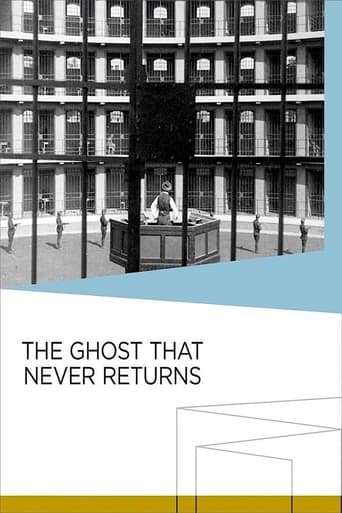
Films
1 film
About E. Yakovskiy
E. Yakovskiy appeared in early sound era of Soviet cinema. His only known film credit is in the 1930 production 'The Ghost That Never Returns' (Russian: 'Привидение, которое не возвращается'), directed by Abram Room. This film was one of the early Soviet sound productions and was based on a story by Henri Barbusse. Yakovskiy's appearance in this film represents his entire documented film career, making him a representative example of the many actors who appeared briefly during the transition period from silent to sound cinema in the Soviet Union. His role, while not the lead, contributed to the ensemble cast of this politically charged drama that explored themes of revolution and social justice. Unfortunately, detailed biographical information about Yakovskiy's life beyond this single film appearance has been lost to history, which was common for many supporting actors of early Soviet cinema.
The Craft
Milestones
- Appeared in 'The Ghost That Never Returns' (1930) during the early sound era of Soviet cinema
Best Known For
Must-See Films
Working Relationships
Worked Often With
Studios
Why They Matter
Impact on Culture
E. Yakovskiy represents the countless anonymous actors who contributed to the early Soviet cinema during its transition to sound. While his individual impact may be minimal, his participation in 'The Ghost That Never Returns' places him within the important historical context of Soviet filmmaking in the early 1930s, a period when cinema was being used as a tool for social and political education. The film itself was significant as one of the early Soviet sound productions, and every actor involved, including Yakovskiy, played a part in this technological and artistic transition.
Lasting Legacy
E. Yakovskiy's legacy is primarily preserved through his appearance in 'The Ghost That Never Returns,' a film that survives as an important artifact of early Soviet sound cinema. While he did not achieve lasting fame, his contribution to this historically significant film ensures that his name is recorded in film history databases and archives. His career serves as a reminder of the many actors who participated in the early years of cinema but whose stories have been largely lost to time.
Who They Inspired
As a minor actor with only one known film credit, E. Yakovskiy's direct influence on other actors or filmmakers is not documented. However, like all actors who worked in early Soviet cinema, he was part of a collective effort to establish a new cinematic language that would influence filmmakers worldwide. His work, however brief, contributed to the development of Soviet film techniques and acting styles that would later influence international cinema.
Off Screen
Very little is known about E. Yakovskiy's personal life, as was common for many supporting actors in early Soviet cinema who did not achieve widespread fame. Documentation about individual actors from this period was often limited, especially for those who appeared in only one or two films.
Did You Know?
- Appeared in one of the earliest Soviet sound films
- 'The Ghost That Never Returns' was based on a work by French writer Henri Barbusse
- The film was directed by prominent Soviet filmmaker Abram Room
- 1930 was a pivotal year for Soviet cinema's transition to sound technology
- The film was part of the Soviet effort to create politically conscious cinema
- Many actors from this period have incomplete biographical records
- The film explored themes of revolution and social justice typical of early Soviet cinema
- Yakovskiy's career represents the brief appearances common for supporting actors in early sound films
Frequently Asked Questions
Who was E. Yakovskiy?
Soviet with credits in this catalog.' His career appears to have been brief, with this being his only documented film role, which was typical for many supporting actors during this transitional period in Soviet cinema.
What films is E. Yakovskiy best known for?
Titles linked here include The Ghost That Never Returns (1930).
When was E. Yakovskiy born and when did they die?
Unfortunately, specific birth and death dates for E. Yakovskiy are not documented in available historical records. This lack of biographical information was common for many supporting actors in early Soviet cinema who did not achieve widespread recognition.
What awards did E. Yakovskiy win?
There are no documented awards or nominations for E. Yakovskiy. As a supporting actor who appeared in only one known film during the early 1930s, he would not have been eligible for the formal recognition systems that developed later in cinema history.
What was E. Yakovskiy's acting style?
Specific details about E. Yakovskiy's acting style are not documented in available sources. However, as an actor in early Soviet sound cinema, he would have worked within the theatrical and expressive style common to the period, which was transitioning from the exaggerated gestures of silent film to more naturalistic performances suitable for sound.
Why is so little known about E. Yakovskiy?
The scarcity of information about E. Yakovskiy is typical of many actors from early Soviet cinema who had brief careers or played supporting roles. Record-keeping was less comprehensive for non-star actors, and many biographical details from this period have been lost to history, especially for those who did not achieve lasting fame.