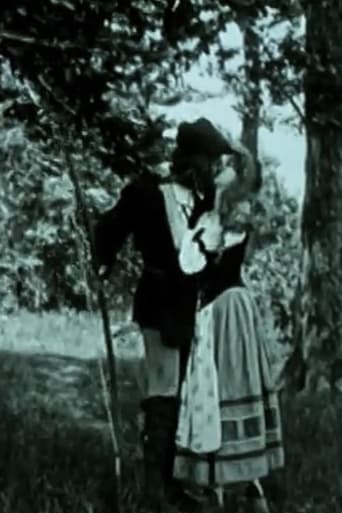

Muriel Ostriche
Actor
Born: June 13, 1894 in New York City, New York, USA Died: March 9, 1988 Active: 1912-1918
Films
2 films
About Muriel Ostriche
American silent-film actress who became one of the familiar faces of early screen melodrama and romantic short subjects in the 1910s. Born in New York City, she entered motion pictures during the nickelodeon era and worked steadily for several years, appearing in a wide range of films produced in the East Coast studios before the industry’s full migration to Hollywood. Ostriche is best remembered for her work in Vitagraph productions and other early companies, where she often played ingénues, daughters, brides, and other emotionally central roles typical of the period. Her career is emblematic of the many reliable studio performers whose names were well known to contemporary audiences even if they are now less widely remembered than the era’s biggest stars. She is associated with the early development of screen acting when expressive faces, clear gestures, and strong visual storytelling were essential to silent cinema. Although her surviving filmography is incomplete, she remains significant as part of the generation of actresses who helped define the vocabulary of American silent-film performance. After her brief but active screen career, she faded from the industry as the medium changed rapidly in the late 1910s and 1920s.
The Craft
On Screen
Muriel Ostriche’s acting style was characteristic of early silent cinema: expressive, direct, and grounded in readable emotion rather than verbal nuance. She often played sincerity, innocence, or romantic vulnerability, and her screen presence relied on facial clarity and poised physical gesture. In the early 1910s, this kind of performance was especially important in shorts and melodramas where narrative had to be communicated quickly and cleanly. Her work fits the transitional phase before acting became more naturalistic in the later silent period.
Milestones
- Began appearing in silent films in 1912, during the formative years of American screen production
- Worked as a recognizable leading lady and supporting player in early East Coast studio pictures, especially short dramas and melodramas
- Appeared in Vitagraph productions and other early companies that were central to the development of the U.S. Film industry
- Built a substantial silent-era filmography across the 1910s, reflecting the rapid pace of production in pre-feature Hollywood
- Represents the generation of actresses who helped establish the expressive visual style of silent-film performance
Best Known For
Iconic Roles
Must-See Films
Working Relationships
Worked Often With
Studios
Why They Matter
Impact on Culture
Muriel Ostriche was part of the foundational generation of American screen performers who helped translate stage conventions into a distinct cinematic language. Her work belongs to the period when film performance had to be instantly legible to audiences in nickelodeons and neighborhood theaters, making actresses like her central to the medium’s early popular appeal. Though she was not among the most internationally famous stars, her steady presence in early productions contributed to the normalization of the screen heroine as a recognizable cultural figure. As a performer in the East Coast studio system, she also represents the important but often under-credited labor of women in shaping the silent era’s visual storytelling. Her career offers historians a valuable view of how early film stardom was built not only by headline celebrities but also by dependable ensemble actors who appeared across many productions.
Lasting Legacy
Muriel Ostriche’s legacy lies in her place within the first generation of American film actresses, particularly those associated with the pre-Hollywood studio system. Her surviving film record, though incomplete, helps document the breadth of silent-era production and the types of roles that structured early screen narratives. She is remembered today by film historians and silent-film enthusiasts as one of the many actresses who gave early cinema its emotional texture and visual clarity. In a larger historical sense, her career underscores how much silent-film history depends on rediscovering performers whose fame was once substantial but whose names later slipped from mainstream memory. Her work continues to matter as part of the archive of American film origins.
Who They Inspired
Muriel Ostriche influenced the early screen tradition through example rather than by later public prominence. Her performances helped establish the conventions of the silent-era heroine, especially in short melodramas where emotional expression had to be immediate and concise. While she does not appear to have directly mentored later major figures, her films contributed to the evolving craft that younger actresses and filmmakers inherited as cinema matured. Her career is part of the broader influence of East Coast studio players on the development of performance style before Hollywood became dominant.
Off Screen
Muriel Ostriche lived a long life after her screen career, but detailed public information about her later personal life is limited. She was born in New York City and is documented primarily through film-industry records rather than extensive biographical profiles. No widely cited record of major marriages, children, or later public career activity is consistently associated with her in standard film references. Because she worked in the early silent era, many personal details that would be routine for later stars were not preserved or were never widely reported.
Did You Know?
- She was born in New York City, making her part of the generation of actors associated with the East Coast origins of American film production.
- Her screen career began in 1912, the same year early feature filmmaking was beginning to emerge from the short-subject era.
- She is associated with Vitagraph,.
- Her surviving filmography reflects how quickly silent-film actors could work through many productions in a single year.
- She lived until 1988, long after the silent era had ended.
- She is best remembered today by historians of early silent cinema rather than by mainstream audiences.
- Her name appears in records of early American filmography, making her a useful figure for research into pre-Hollywood screen culture.
Frequently Asked Questions
Who was Muriel Ostriche?
American silent-film actress active primarily in the 1910s. She is remembered as part of the early East Coast studio era and appeared in a range of short dramas and melodramas. Her career helps illustrate the development of screen acting during cinema’s formative years.
What films is Muriel Ostriche best known for?
Titles linked here include Robin Hood (1912), A Daughter of the People (1915).
When was Muriel Ostriche born and when did she die?
Born June 13, 1894; died March 9, 1988.
What awards did Muriel Ostriche win?
No major awards or formal nominations are widely documented for Muriel Ostriche in the surviving record. This is common for many silent-era performers, whose careers predated the modern awards system.
What was Muriel Ostriche's acting style?
Her acting style reflected early silent cinema, emphasizing clear facial expression, visible emotion, and straightforward physical gesture. She typically played ingénues and other sympathetic female leads, roles that required immediate emotional readability for silent audiences.
What is Muriel Ostriche's legacy in film history?
Her legacy is that of a dependable early silent-film actress who helped shape the screen heroine in the formative years of American cinema. She is important to historians because she represents the many skilled performers who made the silent era work even if they are not household names today.