Films
1 film
About Mathilde Baring
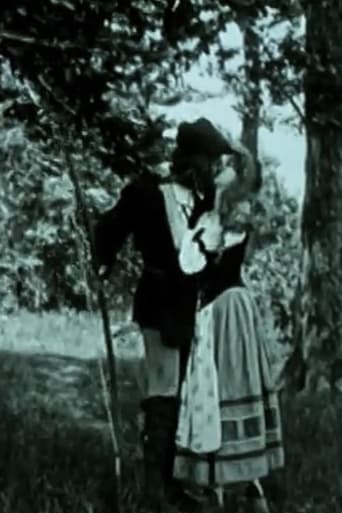
Mathilde Baring worked on one surviving credit: Robin Hood (1912). With her entire known filmography consisting of a single appearance in the 1912 production of Robin Hood. She was part of the generation of performers who helped establish the foundation of the film industry during its transition from short novelty films to feature-length narratives. Her role in Robin Hood placed her among the early actors to participate in one of the first full-length adaptations of the tale, which was produced by the Thanhouser Company. The film itself was significant as one of the earliest American feature films, running approximately 30 minutes at a time when most films were much shorter. Unfortunately, like many performers from this era, her career was brief and she did not transition into the more established Hollywood studio system that would develop in the following years. Her disappearance from film records after 1912 suggests she may have been among the many early film actors who left the industry as it professionalized and became more competitive.
The Craft
Milestones
- Appeared in the 1912 Thanhouser Company production of Robin Hood
- Participated in one of the earliest American feature films
- Contributed to silent cinema during its years
Best Known For
Iconic Roles
Must-See Films
Working Relationships
Studios
Why They Matter
Impact on Culture
Mathilde Baring represents the countless anonymous performers who populated the earliest years of American cinema, contributing to the development of the film medium during its formative period. Her appearance in Robin Hood (1912) places her within the context of early feature filmmaking, when the industry was experimenting with longer narratives and more ambitious productions. While her individual impact may be difficult to trace, she was part of the generation that helped establish the conventions of screen acting and storytelling that would influence all subsequent cinema. The Thanhouser Company, for which she worked, was one of the important early studios that contributed to the development of American film language and technique.
Lasting Legacy
Mathilde Baring's legacy is primarily historical, serving as a representative of the many early film performers whose contributions have been largely lost to time due to the ephemeral nature of early cinema records and the destruction of many silent films. Her appearance in Robin Hood (1912) ensures she is documented in film history, even if minimally, as part of one of the earliest American feature films. She exemplifies the transient nature of early film careers, when many actors appeared briefly before either leaving the industry or being overshadowed by the star system that would develop in the following decade.
Who They Inspired
Due to her extremely brief film career and the limited documentation available, Mathilde Baring's direct influence on subsequent performers or filmmakers cannot be traced. However, like all early film actors, she contributed to the evolution of screen acting techniques during the medium's developmental years, helping establish the visual language of cinema that would be refined and expanded by later generations of performers.
Off Screen
Very little is known about Mathilde Baring's personal life, which is common for actors from the earliest days of cinema who often appeared in films without receiving significant public attention or documentation. Like many performers of her era, she may have come from a theatrical background or been drawn to the new medium of film during its experimental phase.
Did You Know?
- Her entire known filmography consists of only one film from 1912
- She appeared in one of the earliest American feature-length films
- The 1912 Robin Hood was approximately 30 minutes long, unusually lengthy for its time
- The film was produced by the Thanhouser Company, an important early American studio
- Like many early film actors, she likely received minimal screen credit
- Her active years covered only a single year according to available records
- She was part of cinema's transition from short subjects to feature films
- The Robin Hood film she appeared in is now considered lost, like many silent films
Frequently Asked Questions
Who was Mathilde Baring?
Screen credits include early American cinema, known primarily for her role in the 1912 film Robin Hood. Her career was extremely brief, spanning only a single year with one documented film appearance.
What films is Mathilde Baring best known for?
Titles linked here include Robin Hood (1912).
When was Mathilde Baring born and when did she die?
Unfortunately, Mathilde Baring's birth and death dates are not documented in available historical records, which is common for many actors from the earliest days of cinema who received minimal public attention.
What awards did Mathilde Baring win?
Mathilde Baring did not receive any documented awards or nominations during her brief film career in 1912. The Academy Awards would not be established until 1929, well after her time in cinema.
What was Mathilde Baring's acting style?
Due to the limited documentation of her work and the fact that her only known film is now lost, Mathilde Baring's specific acting style cannot be determined. Like most actors of 1912, she would have used the exaggerated theatrical techniques common in early silent film performance.