
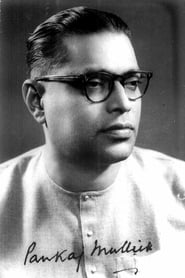
Pankaj Mullick
Actor
Born: May 10, 1905 in Calcutta, Bengal Presidency, British India Died: February 19, 1978 Active: 1928-1975 Birth Name: Pankaj Kumar Mullick
Films
1 film
About Pankaj Mullick
Pankaj Kumar Mullick — figure in Indian cinema, renowned as a music director, singer, and actor who revolutionized Bengali film music during the golden era of Indian cinema. Born in Calcutta in 1905, he began his career as a singer on All India Radio in 1928 and soon transitioned to films, where he became music directors of his time. Mullick worked extensively with New Theatres, prestigious film studios of the 1930s and 1940s, composing music for numerous landmark films. He introduced several innovations in film music, including the use of Rabindra Sangeet (songs written by Rabindranath Tagore) in films and the development of the background score concept in Indian cinema. Beyond his musical contributions, Mullick also acted in several films, with 'Adhikar' (1939) being one of his notable screen appearances. His over four decades, during which he composed music for more than 100 films and trained numerous musicians who would later become legends in their own right. He was awarded the Padma Shri in 1970 and the Dadasaheb Phalke Award in 1972 for his immense contributions to Indian cinema and music.
The Craft
On Screen
Naturalistic and subtle, focusing on emotional authenticity rather than theatrical exaggeration, often playing roles that complemented his musical persona
Milestones
- First music director to introduce Rabindra Sangeet in films
- Pioneered background scoring in Indian cinema
- Composed music for over 100 films
- Worked extensively with New Theatres studio
- Received Dadasaheb Phalke Award in 1972
- Trained numerous future music legends
Best Known For
Iconic Roles
Must-See Films
Accolades
Won
- Padma Shri (1970)
- Dadasaheb Phalke Award (1972)
- Bengal Film Journalists' Association Awards (multiple years)
Nominated
- Various BFJA Award nominations throughout his career
Special Recognition
- Sangeet Natak Akademi Award (1969)
- Named as one of the pioneers of Indian film music
- Honored at numerous film festivals for lifetime achievement
Working Relationships
Worked Often With
Studios
Why They Matter
Impact on Culture
Pankaj Mullick fundamentally transformed Indian film music by bridging classical traditions with popular cinema, creating a new musical language that would influence generations of composers. His introduction of Rabindra Sangeet into mainstream cinema helped democratize Tagore's work, making it accessible to millions of Indians. He pioneered the concept of background scoring in Indian films, understanding that music could enhance narrative and emotional impact beyond just songs. His work at New Theatres helped establish Calcutta as a major center of film production, rivaling Bombay in cultural significance. Mullick's approach to music education and mentorship created a legacy that extended far beyond his own compositions, influencing the very structure of how film music was taught and learned in India.
Lasting Legacy
Pankaj Mullick's legacy endures through the thousands of songs he composed and the numerous musicians he trained, who went on to shape the golden era of Indian film music. His innovations in film scoring and his successful integration of classical and popular music elements became standard practice in Indian cinema. The institutions he helped build and the techniques he developed continue to influence contemporary music directors. His recordings remain popular and are frequently reinterpreted by modern artists, demonstrating the timeless quality of his compositions. The annual Pankaj Mullick Music Festival continues to celebrate his contributions, ensuring that new generations discover his work.
Who They Inspired
Mullick's influence extends to virtually every aspect of Indian film music, from the technical aspects of recording and orchestration to the artistic philosophy of blending traditional and modern elements. His work with singers like K.L. Saigal and Kanan Devi helped establish the playback singing model that would become standard in Indian cinema. His emphasis on musical education and formal training influenced how future generations approached film music composition. Many prominent music directors, including S.D. Burman and Salil Chowdhury, acknowledged his influence on their work. His use of background music to enhance narrative drama became an essential tool in Indian filmmaking.
Off Screen
Pankaj Mullick was deeply devoted to music and cinema throughout his life, maintaining a disciplined lifestyle focused on his artistic pursuits. He married Rajlaxmi Devi, and they had children who also showed interest in the arts. Despite his fame, he remained grounded and was known for his humility and willingness to mentor young musicians. His home in Calcutta became a gathering place for artists and musicians, fostering a creative environment that influenced generations of performers.
Education
Graduated from Scottish Church College, Calcutta; received formal training in classical music from various gurus including Durgadas Bandyopadhyay
Family
- Rajlaxmi Devi
Did You Know?
- Was one of the first Indian musicians to work extensively in radio broadcasting
- Composed the music for India's first Bengali-language talkie
- His song 'Dukher Abasan' became an anthem of the Indian independence movement
- Was known for his photographic memory and could recall thousands of songs
- Refused to work in Bombay cinema despite numerous offers, preferring to stay in Calcutta
- Established a music school that trained many future legends
- His collaboration with K.L. Saigal produced some of the most iconic songs of Indian cinema
- Was fluent in multiple languages including Bengali, Hindi, and English
- Composed music for both Hindu and Islamic devotional songs, showing his secular approach
- His last film composition was in 1975, just three years before his death
In Their Own Words
Music is the soul of cinema; without it, a film is just a series of moving pictures
Every note I compose must touch the heart of the listener
Classical music is the foundation, but we must build the palace of popular cinema upon it
A song is not just melody and rhythm; it is emotion given voice
The greatest joy is not in the applause, but in knowing that my music has touched someone's soul
Frequently Asked Questions
Who was Pankaj Mullick?
Legendary Indian music on YTB.my. He composed music for over 100 films and was instrumental in introducing Rabindra Sangeet to cinema and background scoring in Indian films.
What films is Pankaj Mullick best known for?
Titles linked here include Adhikar (1939), Dukhai (1943).
When was Pankaj Mullick born and when did he die?
Born May 10, 1905; died February 19, 1978.
What awards did Pankaj Mullick win?
He received numerous prestigious awards including the Padma Shri in 1970, the Dadasaheb Phalke Award in 1972, and the Sangeet Natak Akademi Award in 1969, recognizing his immense contributions to Indian music and cinema.
What was Pankaj Mullick's musical style?
Mullick's style was characterized by a unique blend of classical Indian music, particularly Rabindra Sangeet, with popular film music. He pioneered the use of background scores in Indian cinema and was known for his melodic compositions that emphasized emotional depth and technical sophistication.
How did Pankaj Mullick influence Indian cinema?
He fundamentally transformed Indian film music by introducing Rabindra Sangeet to mainstream cinema, background scoring, and establishing the playback singing model. His work influenced generations of composers and helped establish Calcutta as a major center of film production.
Did Pankaj Mullick work with other famous artists?
Yes, he collaborated extensively with legendary artists like K.L. Saigal, Kanan Devi, and worked with prominent directors like Debaki Bose and Nit Bose at New Theatres studio. He also mentored future legends like Hemanta Mukherjee and Manna Dey.