Films
2 films
About Kelkar
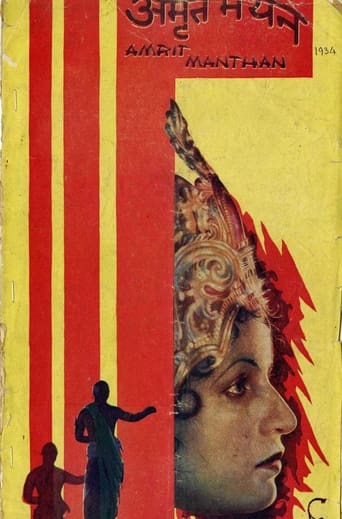
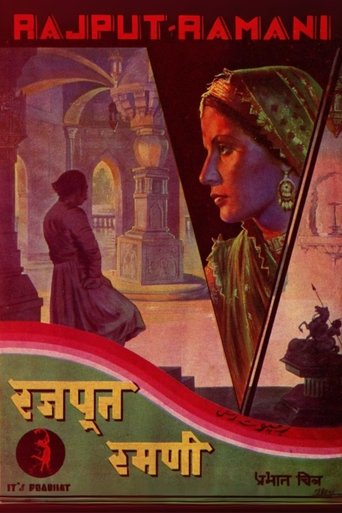
Indian actor who worked during the formative years of Indian cinema, appearing in prominent films of the mid-1930s. His career, though brief, was marked by significant roles in two landmark productions that helped shape the landscape of early Indian talkies. In 1934, he appeared in V. Shantaram's 'Amrit Manthan', a critical and commercial success for Prabhat Film Company that was one of the earliest Indian films to tackle social reform themes. He followed this with a role in 'Rajput Ramani' in 1936, another historical drama that showcased the burgeoning industry's interest in India's rich cultural heritage. These films were part of a new wave of Indian cinema that was moving away from mythological subjects toward more socially relevant narratives. Kelkar's performances contributed to the legitimacy of the acting profession in India during a time when it was still stigmatized by many. His filmography, while limited, places him among the actors who laid the groundwork for the future of Indian cinema. After 1936, records of his film appearances become scarce, suggesting he may have left the industry or transitioned to other pursuits.
The Craft
On Screen
Based on the theatrical tradition of early Indian cinema, Kelkar likely employed a dramatic, exaggerated style common to the period, characterized by expressive gestures and clear enunciation necessary for early sound recording technology. His roles in historical and social films would have required him to embody characters with gravitas and moral clarity.
Milestones
- Appeared in the critically acclaimed 'Amrit Manthan' (1934)
- Starred in 'Rajput Ramani' (1936)
- Worked with director V. Shantaram
- Part of the early talkie era in Indian cinema
- Contributed to Prabhat Film Company's golden period
Best Known For
Iconic Roles
Must-See Films
Working Relationships
Worked Often With
Studios
Why They Matter
Impact on Culture
Kelkar contributed to the cultural shift in Indian cinema during the 1930s when films began addressing social issues rather than just mythology. His work in 'Amrit Manthan' was part of a movement that used cinema as a tool for social reform, challenging regressive practices like animal sacrifice. These early films helped establish cinema as a legitimate medium for cultural discourse in India.
Lasting Legacy
Kelkar's legacy lies in his participation in two significant films that marked important milestones in Indian cinema history. While not a major star, his contributions helped establish the foundation for the narrative cinema that would flourish in subsequent decades. His work shows the many unsung actors who built the Indian film industry.
Who They Inspired
As an actor from the foundational period of Indian cinema, Kelkar influenced subsequent generations of actors simply by helping establish professional acting practices in the industry. His work in socially relevant films contributed to the tradition of issue-based cinema that continues in Indian filmmaking today.
Off Screen
Very little is documented about Kelkar's personal life, which was common for many supporting actors of early Indian cinema whose personal details were not considered newsworthy. Like many actors of his era, he likely faced social stigma associated with the film profession.
Did You Know?
- 'Amrit Manthan' was one of the first Indian films to receive international recognition, being screened at the Venice Film Festival
- The film 'Amrit Manthan' was based on a play by K. Narayan Kale that criticized the practice of animal sacrifice
- Prabhat Film Company, where Kelkar worked, was one of India's most progressive studios in the 1930s
- Both films Kelkar appeared in were produced during the transition from silent films to talkies in India
- Early Indian actors like Kelkar often came from theater backgrounds and had to adapt their acting style for the new medium of sound cinema
- The 1930s saw the emergence of studios as the dominant force in Indian cinema, with actors often under long-term contracts
- Very few complete records exist for many actors from this period, making Kelkar's filmography particularly valuable for film historians
Frequently Asked Questions
Who was Kelkar?
Screen credits include early Indian talkies, most notably in 'Amrit Manthan' (1934) and 'Rajput Ramani' (1936). He worked primarily with Prabhat Film Company during a pivotal era in Indian cinema.
What films is Kelkar best known for?
Titles linked here include Amrit Manthan (1934), Rajput Ramani (1936).
When was Kelkar born and when did he die?
Exact birth and death dates for Kelkar are not documented in available historical records, which was common for many supporting actors of early Indian cinema. He was active as an actor between 1934 and 1936.
What awards did Kelkar win?
No formal awards or nominations have been documented for Kelkar's work, as the Indian film industry's award system was not yet established during his brief career in the mid-1930s.
What was Kelkar's acting style?
Kelkar likely employed the theatrical, dramatic style typical of early Indian talkies, characterized by expressive gestures and clear enunciation necessary for primitive sound recording technology. His roles in social and historical films required gravitas and moral clarity.
Why is Kelkar significant in film history?
Kelkar represents the actors who helped establish the foundation of Indian cinema during its formative years. His participation in socially relevant films like 'Amrit Manthan' contributed to cinema's emergence as a medium for cultural discourse in India.