Films
2 films
About Surabhi Kamalabai
Indian actress who emerged from the renowned Surabhi theatre tradition, a prestigious traveling theatre company that was instrumental in developing performing arts in South India. She made her mark during the golden era of Indian cinema, transitioning successfully from stage to screen during the late 1940s. Her most notable work came through her appearances in two landmark films that would become classics of Indian cinema history. Kamalabai brought with her the theatrical training and dramatic presence characteristic of Surabhi performers, which translated well to the cinematic medium. Her career, though brief in terms of years, was significant as it coincided with a transformative period in Indian film history. After her appearances in major productions during the early 1950s, she gradually stepped back from the film industry, as was common for many actresses of that era. Her contributions remain preserved through her performances in these historically important films that continue to be studied and celebrated by cinema enthusiasts.
The Craft
On Screen
Classical theatrical style influenced by traditional Surabhi theatre training, characterized by expressive gestures and dramatic presence suited for the grand narratives of early Indian cinema
Milestones
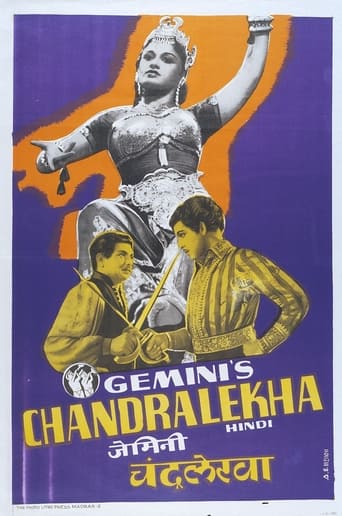
- Appeared in Chandralekha (1948),
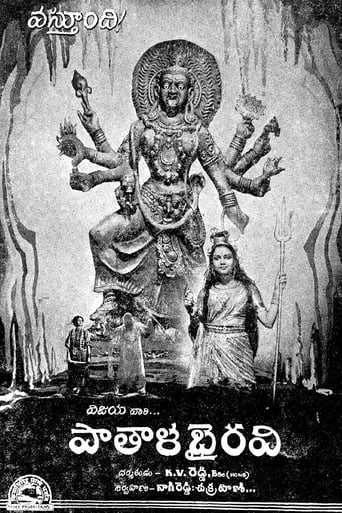
- Featured in Pathala Bhairavi (1951), a landmark fantasy film
- Successfully transitioned from traditional Surabhi theatre to cinema
- Participated during the golden age of Indian cinema
Best Known For
Iconic Roles
Must-See Films
Working Relationships
Worked Often With
Studios
Why They Matter
Impact on Culture
Surabhi Kamalabai represents the important bridge between traditional Indian theatre and the burgeoning film industry of the 1940s and 1950s. Her participation in landmark films like Chandralekha and Pathala Bhairavi helped preserve and adapt the rich theatrical traditions of the Surabhi company for cinematic audiences. These films themselves were cultural phenomena that set new standards for Indian cinema in terms of production values, storytelling, and artistic ambition. The Surabhi theatre tradition that she represented was crucial in developing regional performing arts and providing trained actors to the film industry during its formative years.
Lasting Legacy
Surabhi Kamalabai's legacy is preserved through her contributions to two of Indian cinema's most celebrated films from the golden era. Her work exemplifies the important role of theatre-trained actors in establishing the foundations of Indian film acting. The Surabhi theatre tradition she represented continues to be recognized as. Her performances serve as valuable documentation of the theatrical acting styles that influenced early Indian cinema.
Who They Inspired
While specific details about her mentorship are limited, Surabhi Kamalabai was part of a generation of theatre-trained actors who helped establish professional standards for film acting in India. The Surabhi theatre tradition she belonged to influenced numerous actors who would later become stars in Indian cinema, demonstrating the lasting impact of classical theatrical training on film performance styles.
Off Screen
Limited information is available about Surabhi Kamalabai's personal life, as was common for many supporting actors from the early Indian cinema era. She was part of the Surabhi theatre community, which often functioned as a close-knit family of performers. Many Surabhi artists led nomadic lifestyles due to the nature of their theatrical performances before transitioning to films.
Education
Trained in the traditional Surabhi theatre performing arts system, which provided comprehensive education in acting, dance, music, and stagecraft
Did You Know?
- The Surabhi theatre company she belonged to was founded in 1885 and became
- Chandralekha (1948) was made at a budget of ₹3 million, making it the most expensive Indian film at the time of its release
- Surabhi theatre companies were known for their all-night performances and elaborate stage productions
- Many Surabhi artists used 'Surabhi' as a prefix to their names, indicating their theatrical heritage
- The Surabhi tradition particularly flourished in Andhra Pradesh and Telangana regions
- Theatre companies like Surabhi were often family-run, with skills passed down through generations
- Early Indian cinema heavily relied on theatre-trained actors like Kamalabai for their dramatic skills
- Gemini Studios, where she worked, was
Frequently Asked Questions
Who was Surabhi Kamalabai?
Indian actress from the 1940s-1950s who came from the prestigious Surabhi theatre tradition and appeared in classic films like Chandralekha (1948) and Pathala Bhairavi (1951). She was part of the golden age of Indian cinema and helped bridge traditional theatre with the emerging film industry.
What films is Surabhi Kamalabai best known for?
Titles linked here include Chandralekha (1948), Pathala Bhairavi (1951).
What was the Surabhi theatre tradition?
The Surabhi theatre tradition was a famous traveling theatre company system in South India, particularly Andhra Pradesh, known for elaborate productions and training generations of performers. It was founded in 1885 and significantly influenced both theatre and early Indian cinema.
When was Surabhi Kamalabai active in films?
She was active in cinema from approximately 1948 to 1951, appearing in major productions during what is considered the golden age of Indian cinema. This period saw significant developments in Indian film production and artistic achievement.
What was unique about Surabhi Kamalabai's acting style?
Her acting style was rooted in classical theatrical training from the Surabhi tradition, characterized by expressive gestures, dramatic presence, and strong vocal projection. This theatrical approach was well-suited for the grand, mythological narratives popular in early Indian cinema.