Edward Adrian Wilson
Actor
Born: July 23, 1872 in Cheltenham, Gloucestershire, England Died: March 29, 1912 Active: 1910-1912 (expedition years), 1924 (posthumous film appearance)
Films
1 film
About Edward Adrian Wilson
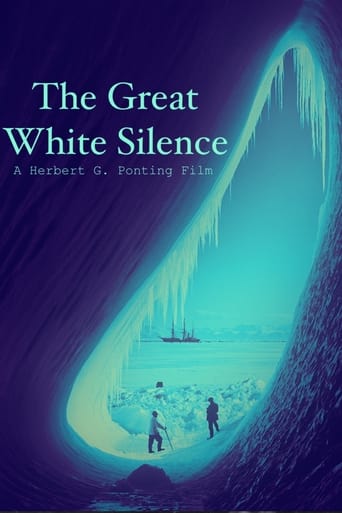
Edward Adrian Wilson was not a professional actor but a physician, naturalist, and artist who became immortalized through documentary footage of the Terra Nova Antarctic Expedition (1910-1913). Born into a Quaker family in Cheltenham, England, Wilson developed an early passion for natural history and art, which he pursued through his education at Cambridge and medical training in London. His scientific expertise and artistic talent made him an ideal choice for Captain Robert Falcon Scott's Antarctic expedition, where he served as chief scientist, expedition doctor, and official artist. During the expedition, Wilson conducted extensive scientific research on Antarctic wildlife and geography while creating detailed sketches and watercolors of the polar landscape. He was selected as one of the five-man party to reach the South Pole, tragically dying alongside Scott, Bowers, Oates, and Evans on their return journey in March 1912. His artistic works and scientific contributions survived the expedition and became valuable historical artifacts. The 1924 film 'The Great White Silence' compiled Herbert Ponting's expedition footage, bringing Wilson's image and the expedition's story to cinema audiences, making him one of the earliest documentary 'actors' in film history.
The Craft
On Screen
Not applicable - appeared in authentic documentary footage rather than performing as an actor
Milestones
- Chief scientist and doctor on Terra Nova Expedition (1910-1913)
- Selected for the final South Pole party (1911-1912)
- Created extensive scientific illustrations and artwork of Antarctic wildlife
- Discovered and documented new species during the expedition
- Posthumously featured in 'The Great White Silence' documentary (1924)
Best Known For
Iconic Roles
Must-See Films
Accolades
Won
- Polar Medal (1904) for Discovery Expedition
- Royal Geographical Society's Founder's Gold Medal (posthumous, 1913)
Special Recognition
- Wilson's name commemorated in Wilson's Storm Petrel (Oceanites oceanicus)
- Wilson's Ice Piedmont in Antarctica named after him
- Wilson Valley in Victoria Land, Antarctica
- Mount Wilson in the Antarctic named in his honor
- Several species discovered by him bear his name
Working Relationships
Worked Often With
Why They Matter
Impact on Culture
Edward Adrian Wilson's posthumous appearance in 'The Great White Silence' made him one of the earliest figures to be featured in documentary cinema, helping establish the genre of expedition films. His scientific illustrations and artistic renderings of Antarctic life provided the world with its first detailed visual documentation of the polar environment, influencing both scientific understanding and public imagination about Antarctica. The tragic story of Wilson and his companions, as told through Ponting's footage and later films, became a powerful narrative of heroism and sacrifice that shaped British cultural identity in the early 20th century. His combination of scientific rigor and artistic sensibility represented the Victorian ideal of the gentleman-scientist, influencing how explorers were portrayed in subsequent documentary and dramatic films.
Lasting Legacy
Wilson's legacy endures through his extensive collection of Antarctic artwork, which remains an important scientific and artistic record of early polar exploration. His scientific contributions, particularly in ornithology and glaciology, continue to be referenced by researchers studying Antarctic ecosystems. The dramatic story of his final journey, immortalized in multiple films and books, has become. His approach to combining artistic skill with scientific observation influenced generations of naturalists and documentary filmmakers. The Wilson Collection of his artwork and writings is preserved at the Scott Polar Research Institute in Cambridge, serving as an invaluable resource for historians and scientists.
Who They Inspired
Wilson's method of detailed scientific illustration influenced the field of natural history documentation, setting standards for accuracy and artistic quality. His example inspired future polar explorers to maintain both scientific and artistic records of their expeditions. The footage featuring Wilson in 'The Great White Silence' helped establish the template for expedition documentaries, influencing filmmakers like Robert Flaherty. His dedication to scientific observation in extreme conditions inspired subsequent generations of field biologists and naturalists. The tragic heroism displayed by Wilson and his companions became a cultural touchstone that influenced how exploration narratives were presented in both documentary and dramatic films throughout the 20th century.
Off Screen
Edward Adrian Wilson married Oriana Souper on July 16, 1901, at St. Mary's Church in Cheltenham. The couple had one child, a daughter also named Oriana, born in 1902. Wilson was known for his deep religious faith as a member of the Society of Friends (Quakers), which influenced his scientific approach and his acceptance of the hardships of polar exploration. Despite his scientific pursuits, he maintained strong family ties and corresponded regularly with his wife during the expedition. His final letters to his family, written during the doomed return from the South Pole, revealed his unwavering faith and acceptance of his fate.
Education
Cheltenham College; Gonville and Caius College, Cambridge (Natural Sciences Tripos); St. George's Hospital Medical School, London (Medical degree)
Family
- Oriana Souper (1901-1912)
Did You Know?
- Wilson — talented artist who produced over 200 watercolors and sketches during the Terra Nova Expedition
- He was a devout Christian who saw his scientific work as revealing God's creation
- Despite his small stature (5'4"), he was known for his physical endurance in extreme conditions
- He discovered and collected the first emperor penguin eggs for scientific study
- His final campsite, where he died with Scott and Bowers, is now designated as a historic site under the Antarctic Treaty
- Wilson was one of the few members of the expedition who could ski proficiently
- His medical expertise was crucial during the expedition, treating everything from frostbite to snow blindness
- He maintained a detailed diary throughout the expedition, which survived and was published posthumously
- Wilson — accomplished ornithologist who identified several new species during his explorations
- His artistic style was influenced by the Pre-Raphaelite movement, emphasizing detailed natural observation
In Their Own Words
The Great God Pan is dead. I shall never see him again, but he has been very good to me
It is a wonderful thing to have a chance of seeing this country, and I hope we shall see it all before we die
We are very near the end of our journey now, and I am not afraid
The weather is very bad, but we are making progress and are in good spirits
I am looking forward to getting home and seeing my wife and child again
Frequently Asked Questions
Who was Edward Adrian Wilson?
British physician, naturalist, artist, and explorer who served as chief scientist and doctor on Captain Scott's Terra Nova Antarctic Expedition. He died alongside Scott and three others on their return from the South Pole in 1912. His image was later featured in the 1924 documentary 'The Great White Silence' through expedition footage.
What films is Edward Adrian Wilson best known for?
Titles linked here include The Great White Silence (1924).
When was Edward Adrian Wilson born and when did he die?
Born July 23, 1872; died March 29, 1912.
What awards did Edward Adrian Wilson win?
Wilson received the Polar Medal in 1904 for his participation in the earlier Discovery Expedition, and was posthumously awarded the Royal Geographical Society's Founder's Gold Medal in 1913 for his contributions to polar science and exploration.
What was Edward Adrian Wilson's role in Antarctic exploration?
Wilson served as chief scientist, expedition doctor, and official artist on the Terra Nova Expedition. He conducted important scientific research on Antarctic wildlife and geography, created detailed artistic documentation of the polar environment, and was selected as one of the five men to reach the South Pole.
How did Edward Adrian Wilson appear in films if he died in 1912?
Wilson appeared in 'The Great White Silence' (1924) through documentary footage taken during the actual expedition by photographer Herbert Ponting. The film was compiled years after Wilson's death using this authentic expedition footage, making him one of the earliest subjects of documentary cinema.
What is Edward Adrian Wilson's lasting legacy?
Wilson's legacy includes his extensive scientific contributions to Antarctic research, his artistic documentation of polar exploration, and his role as one of the heroic figures in one of exploration's most famous tragedies. His work continues to influence both scientific and artistic approaches to documenting natural environments.