
Films
2 films
About Robert Conness
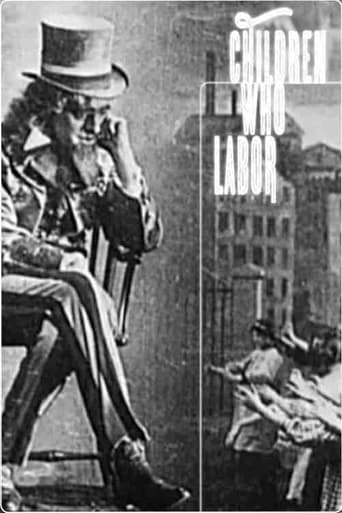
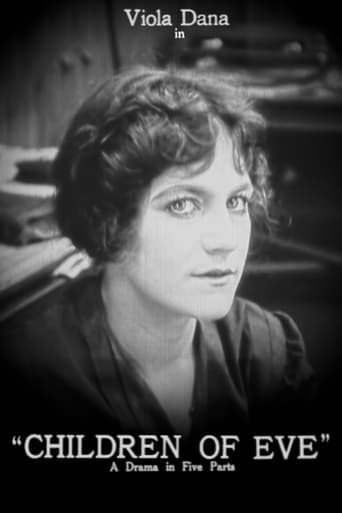
The 1912 film Children Who Labor is the only title linked here for Robert Conness. His documented career spans from 1912 to 1915, placing him among the generation of film actors who transitioned from stage to the new medium of motion pictures. Conness appeared in socially conscious films of the period, including 'Children Who Labor' (1912), an early reform film that exposed child labor conditions, and 'Children of Eve' (1915), which dealt with urban poverty and social issues. Like many actors of this era, Conness likely had a background in theater before entering the film industry, as was common for early film performers. His filmography, though brief, reflects the growing trend in early American cinema toward addressing social reform themes through dramatic storytelling. The short span of his documented film career was typical of many early actors who either returned to theater, left the industry, or whose careers were cut short by the rapidly evolving nature of the film business. Conness represents the generation of performers who helped establish the foundation of American film acting before the star system was fully developed.
The Craft
On Screen
While specific details about Robert Conness's acting style are not extensively documented, actors of this era typically employed theatrical techniques adapted for the camera. Early silent film actors often used exaggerated gestures and facial expressions to convey emotion without dialogue, though this was gradually becoming more naturalistic by the mid-1910s. Conness, appearing in socially conscious dramas, likely employed the earnest, moralistic acting style common in reform films of the period.
Milestones
- Appeared in 'Children Who Labor' (1912), an early social reform film
- Starred in 'Children of Eve' (1915), addressing urban poverty issues
- Worked during the transitional period when cinema was establishing itself as a legitimate art form
- Participated in early American films with social consciousness themes
Best Known For
Must-See Films
Why They Matter
Impact on Culture
Robert Conness, though not widely remembered today, participated in an important phase of American cinema development when films were beginning to address serious social issues. His work in 'Children Who Labor' and 'Children of Eve' contributed to the early tradition of socially conscious filmmaking in America, a tradition that would continue through the work of later directors like D.W. Griffith and eventually influence the social problem films of the 1930s. These early reform films helped establish cinema as a medium for social commentary and public awareness, moving beyond mere entertainment to address pressing societal concerns of the Progressive Era.
Lasting Legacy
Robert Conness's legacy is primarily tied to his participation in early American social reform films, which represent an important but often overlooked chapter in film history. The films he appeared in are historically significant as examples of how early cinema engaged with contemporary social issues like child labor and urban poverty. While Conness himself did not achieve lasting fame as an individual performer, his work contributes to our understanding of how early filmmakers and actors used the new medium to raise awareness about social problems, setting precedents for future generations of socially conscious filmmakers.
Who They Inspired
As an actor from the very early silent era, Robert Conness's direct influence on later performers is difficult to trace, given the limited documentation of his career and techniques. However, his participation in early socially conscious films contributed to the broader development of film as a medium for social commentary. The earnest, reform-minded approach to filmmaking that he was part of would influence later generations of filmmakers who sought to use cinema as a tool for social change and awareness.
Off Screen
Detailed personal information about Robert Conness is not well-documented in historical records, which is common for many actors from the very early silent era. Like many performers of this period, he may have come from a theatrical background before entering films. The lack of extensive personal documentation suggests he was not among the major stars of the era whose lives were widely covered in contemporary media.
Did You Know?
- Robert Conness's film active years covered only three years during the early development of American cinema
- Both of his known films dealt with social reform issues, reflecting the Progressive Era's influence on early filmmaking
- The early 1910s, when Conness was active, was a period when American cinema was transitioning from short novelty films to longer, more complex narratives
- Many actors from this era had backgrounds in stage theater, as professional film acting training did not yet exist
- The lack of extensive documentation about Conness is typical of many early film actors who were not major stars
- His film 'Children Who Labor' (1912) was part of a wave of reform films that used cinema to expose social problems
- Early silent actors like Conness often had to adapt their stage acting techniques for the camera, which required different skills
- The film industry was highly volatile in this period, with many actors having brief careers before either returning to theater or leaving entertainment entirely
Frequently Asked Questions
Who was Robert Conness?
American with credits in this catalog. He appeared in socially conscious films including 'Children Who Labor' (1912) and 'Children of Eve' (1915), which addressed issues like child labor and urban poverty during the Progressive Era.
What films is Robert Conness best known for?
Titles linked here include Children Who Labor (1912), Children of Eve (1915).
When was Robert Conness born and when did he die?
Specific birth and death dates for Robert Conness are not well-documented in historical records, which is common for many actors from the very early silent era who were not major stars. His known active period in film was from 1912 to 1915.
What awards did Robert Conness win?
Robert Conness did not receive any documented major awards during his brief film career. The Academy Awards were not established until 1929, well after his active period, and many actors from the early 1910s did not receive formal recognition during their careers.
What was Robert Conness's acting style?
While specific details about Conness's acting technique are not extensively documented, actors of his era typically employed theatrical techniques adapted for film, with exaggerated gestures and expressions to convey emotion without dialogue. His work in social reform films suggests an earnest, morally serious approach to acting.
Why is Robert Conness significant in film history?
Robert Conness is significant for his participation in early American social reform films that helped establish cinema as a medium for social commentary. His work in films addressing child labor and urban poverty contributed to the development of socially conscious filmmaking in America during the Progressive Era.