
Miriam Horwitz
Actor
- Active
- 1913-1913
Films 2
About Miriam Horwitz
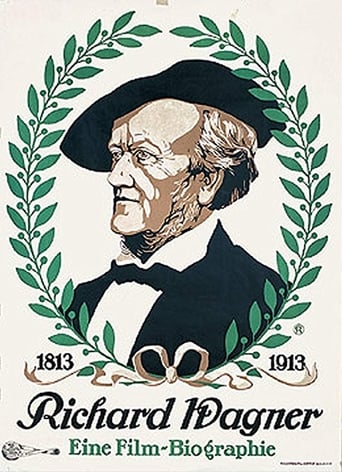
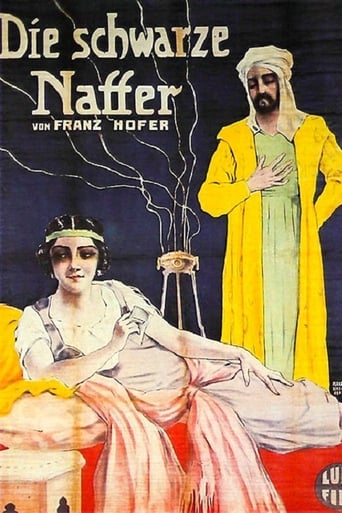
Miriam Horwitz is a very obscure early film performer credited in surviving filmographies for two 1913 productions: The Life and Works of Richard Wagner and Die schwarze Natter. Beyond those credits, reliably documented biographical information about her life, background, and later career is not readily available in standard classic-cinema reference sources. Her surviving record suggests that she worked during the silent-film era, when many actors appeared in short-lived productions and were often not retained in long-form studio publicity material. Because the available evidence is so limited, it is not possible to reconstruct a detailed career arc, but her name does place her among the many early screen performers whose work contributed to the foundations of narrative cinema. The two known credits indicate she was active at least in 1913, likely within the German-speaking film world or a related European production context. Like many performers from the period, she may have had a stage background or moved between theater and film, but no verifiable source in the available record confirms that. Her importance today lies primarily in film-history documentation: she is part of the incomplete but essential roster of early cinema artists whose credits survive even when most personal details do not.
More about Miriam Horwitz
In film history
Miriam Horwitz's cultural impact is best understood as archival and historical rather than celebrity-driven. She belongs to the vast group of early cinema performers whose names survive in filmography records even when their personal histories have been lost or remain inaccessible. Her appearance in films from 1913 places her in the formative years of silent cinema, a period that shaped acting conventions, production practices, and screen storytelling. Even without detailed biographical information, such performers are important because they represent the breadth of talent that sustained early international filmmaking. For film historians, her name is a reminder that cinema history is built not only on major stars but also on lesser-known actors whose work helped populate the medium's earliest narratives.
Later reputation
Her legacy is primarily one of historical documentation. Miriam Horwitz is part of the incomplete but crucial record of silent-era film personnel, and her surviving credits help scholars trace production and casting networks of early 20th-century cinema. Because so little is known about her beyond her 1913 appearances, her legacy also highlights the fragility of early film history and the loss of many performers' personal archives. In database terms, preserving her name and credits ensures that the early film record remains as complete as possible, even when life details cannot be recovered.
Influence
There is no verifiable evidence that Miriam Horwitz directly influenced later actors or directors in a documented, traceable way. Her influence is therefore indirect, embodied in the broader body of silent-era performance that helped establish screen acting norms in the 1910s. As with many early performers, her contribution is most meaningfully understood as part of the collective influence of early European cinema on later film aesthetics and production culture.
Off screen
No dependable biographical record is readily available concerning Miriam Horwitz's personal life, including family, marriages, residence, education, or later career. In many early silent-film cases, especially for minor or briefly active performers, archival traces are limited to cast lists and production records. As a result, any claim about her private life would be speculative, so only her documented film credits can be stated with confidence.
Credits
- Appeared in The Life and Works of Richard Wagner (1913), one of her two documented screen credits
- Appeared in Die schwarze Natter (1913), preserving her name in early silent-film filmography records
- Represents the often under-documented class of early European silent-era performers whose work survives mainly through credits rather than detailed publicity materials
Films
- The Life and Works of Richard Wagner (1913)
- Die schwarze Natter (1913)
Notes
- Miriam Horwitz is credited in only two known 1913 film titles in the available record.
- Her documented career falls entirely within the silent-film era.
- The available sources do not reliably preserve her birth or death details, which is common for lesser-known early cinema performers.
- Her name survives primarily through cast lists rather than interviews, publicity stills, or memoirs.
- She appears in a film about Richard Wagner, suggesting involvement in a culturally ambitious early production.
- She is an example of how many early actors worked briefly and then disappeared from the historical record.
- Her filmography may have been limited, or additional credits may be lost, misattributed, or not yet fully documented.
Questions
Who was Miriam Horwitz?
Miriam Horwitz was a silent-era film actor credited in two 1913 productions: The Life and Works of Richard Wagner and Die schwarze Natter. Beyond those credits, very little verifiable biographical information has survived in standard film reference sources.
What films is Miriam Horwitz best known for?
She is best known for the two surviving credits associated with her name: The Life and Works of Richard Wagner (1913) and Die schwarze Natter (1913). These are the only widely documented screen appearances currently attributable to her with confidence.
When was Miriam Horwitz born and when did she die?
Her birth and death dates are not currently documented in the available classic-cinema record. The same is true of her birthplace, so those details remain unknown unless additional archival sources are found.
What awards did Miriam Horwitz win?
No awards or formal honors are documented for Miriam Horwitz in the available record. This is not unusual for early silent-film performers, many of whom worked before the modern awards system existed.
What was Miriam Horwitz's acting style?
Her acting style cannot be described with certainty because no detailed contemporary criticism or surviving analysis is readily available. Given her era, she likely worked within the expressive, gesture-driven performance style typical of silent cinema.
What is Miriam Horwitz's legacy in film history?
Her legacy is that of an early, documented participant in silent cinema whose name has survived even though most personal details have not. For historians, she represents the many performers whose contributions are preserved only in partial archival traces.