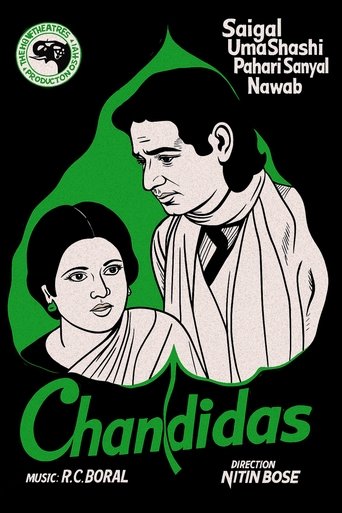
Films
1 film
About Umasashi
Umasashi worked on early Bengali cinema during the transitional period from silent films to talkies. Her only known film appearance was in the landmark 1934 production 'Chandidas,' directed by the filmmaker Debaki Bose. This film was significant in Indian cinema history for its social themes and technical achievements in early sound filmmaking. Umasashi's role, while not the lead, contributed to this important cultural work that explored themes of caste discrimination and social reform in 15th-century Bengal. Her career appears to have been brief, confined to this single notable appearance during the formative years of Indian sound cinema. The film 'Chandidas' itself was for its time and helped establish the Bengali film industry as a serious artistic medium. Unfortunately, detailed records about many actors from this early period of Indian cinema are limited, making comprehensive documentation of Umasashi's life and career challenging.
The Craft
On Screen
Limited information available, but as part of early Bengali cinema, likely employed theatrical acting techniques common in the transition from silent to sound films
Milestones
- Appeared in the landmark Bengali film 'Chandidas' (1934) directed by Debaki Bose
- Participated in early Indian sound cinema during its formative years
Best Known For
Iconic Roles
Must-See Films
Working Relationships
Worked Often With
Why They Matter
Impact on Culture
Umasashi's contribution to Indian cinema, while limited to a single known appearance, was part of the broader movement that established Bengali cinema as a serious artistic medium in the 1930s. The film 'Chandidas' was significant for addressing social issues like caste discrimination and was one of the early successful sound films in Indian cinema. Her participation in this work places her within the important generation of actors who helped transition Indian cinema from silent films to talkies, a crucial period that shaped the future of Indian filmmaking.
Lasting Legacy
While Umasashi's individual legacy is difficult to trace due to limited documentation, her appearance in 'Chandidas' connects her to one of the important early works of Indian cinema. The film itself is remembered as a milestone in Bengali cinema history for its social themes and technical achievements. Actors from this period, even those with brief careers, contributed to the foundation upon which later Indian cinema would build its rich tradition.
Who They Inspired
Due to the limited nature of her documented career, specific influences on other actors or filmmakers are difficult to trace. However, her participation in early Bengali sound cinema places her among the generation of performers who helped establish acting techniques and conventions for Indian talkies during their formative years.
Off Screen
Very limited information is available about Umasashi's personal life, which is common for many actors from early Indian cinema of the 1930s. Records from this period are often incomplete or lost.
Did You Know?
- 'Chandidas' (1934) was one of the early successful sound films in Bengali cinema
- The film was directed by Debaki Bose, a figure in Indian cinema
- 'Chandidas' explored themes of caste discrimination and social reform
- The film was based on the life of the 15th-century Bengali poet Chandidas
- New Theatres, the studio behind 'Chandidas,' was
- The film was known for its musical score and technical innovations in sound recording
- Many records of actors from this period of Indian cinema are incomplete or lost
Frequently Asked Questions
Who was Umasashi?
Indian with credits in this catalog.' Her career appears to have been brief, with this being her only documented film role during the formative years of Indian sound cinema.
What films is Umasashi best known for?
Titles linked here include Chandidas (1934).
When was Umasashi born and when did she die?
Unfortunately, specific birth and death dates for Umasashi are not available in existing records, which is common for many actors from early Indian cinema of the 1930s when documentation was limited.
What awards did Umasashi win?
There are no documented awards or nominations for Umasashi, which was not uncommon for actors in early Indian cinema of the 1930s when formal award systems were not yet established.
What was Umasashi's acting style?
While specific details about Umasashi's acting style are not documented, actors in early Indian cinema of this period typically employed theatrical techniques adapted from stage performances, transitioning from the exaggerated expressions of silent films to more nuanced performances suitable for sound cinema.