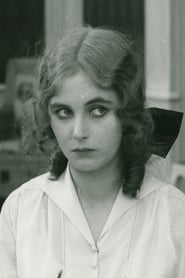
Lilly Cronwin
Actor
- Active
- 1917-1917
Films 2
About Lilly Cronwin
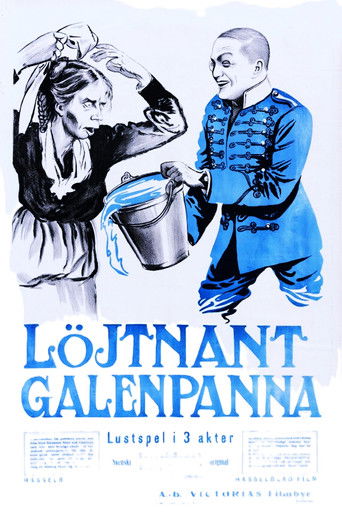
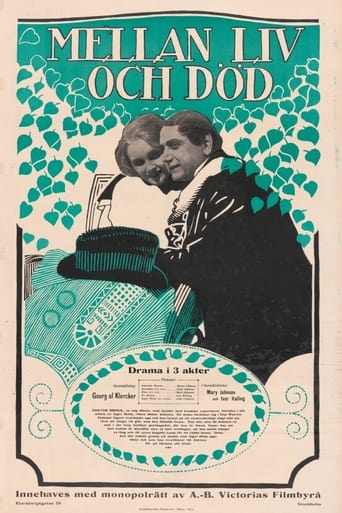
Lilly Cronwin appears to have been a very obscure silent-era screen performer, credited in only two surviving film entries from 1917: Lieutenant Galenpanna and Between Life and Death. Based on the available filmography, she was active during the height of the American silent film era, but no reliable surviving biographical record has been located for her in standard reference sources. Her name does not currently appear to be well documented in the major public histories of classic cinema, which suggests she may have been a minor or supporting player, or a performer whose career was brief and left few archival traces. Because of the lack of confirmable biographical data, details such as birth date, birthplace, family background, training, and later life remain unknown. What can be said with confidence is that she belongs to the large class of early film professionals whose work helped build the silent-film industry even when their individual careers were not extensively recorded. Her surviving credits place her in an important transitional moment in cinema history, when films were rapidly expanding in production scale, narrative sophistication, and popular reach. Any fuller assessment of her career would require consultation of original studio records, trade papers, or archival prints and casts from 1917-era productions.
More about Lilly Cronwin
In film history
Lilly Cronwin's cultural impact is difficult to measure because her surviving footprint in film history is extremely small, yet her presence in 1917 credits still matters for understanding the breadth of silent-era production. The early film industry depended on a vast labor force of actors whose names were often inconsistently preserved, especially in short-lived or less prominent productions. Performers like Cronwin helped populate the world of early screen drama, contributing to the ensemble fabric that made silent cinema legible and emotionally persuasive to audiences. Even when individual biographies are lost, these credits are part of the historical record that documents how the medium developed from a novelty into a mature storytelling form. Her inclusion in surviving filmographies serves as a reminder that classic cinema history is built not only on stars but also on many lesser-known working actors whose careers remain partially hidden.
Later reputation
Her legacy, insofar as it can be assessed, lies in her status as a recorded participant in silent-era filmmaking rather than as a widely celebrated star. For historians and database researchers, such names are valuable because they help reconstruct casts, production networks, and the industrial scale of early motion pictures. The scarcity of surviving information about her also highlights a broader archival problem in early cinema: many performers' lives were documented only fragmentarily and later became difficult to trace. If additional records are ever discovered, they could significantly expand understanding of her career and the films in which she appeared. Until then, Lilly Cronwin remains a representative example of the many early screen actors whose contributions are real, though only sparsely preserved in modern reference sources.
Influence
There is no verified evidence that Lilly Cronwin directly influenced later actors or filmmakers in a documented, traceable way. Her influence is therefore best understood in a collective rather than individual sense: she was part of the working generation of silent-film performers who helped establish performance norms for screen acting before synchronized sound. Those early performers shaped the expressive, visually legible acting methods that later became foundational to cinema's grammar. In that respect, even obscure contributors like Cronwin participated in the evolution of screen performance through their work in the medium's formative years.
Off screen
No reliable public information has been located regarding Lilly Cronwin's personal life, including marriages, family relationships, education, or later career. This is not unusual for minor silent-era performers, many of whom were recorded only in cast lists or studio publicity materials that did not preserve detailed biographical information. At present, there is no verified evidence available to confirm spouses, children, or residence history. Any such details would need to come from archival newspaper notices, census records, studio files, or other primary sources not presently identified.
Credits
- Screen credits in two known 1917 silent films: Lieutenant Galenpanna and Between Life and Death
- Participation in the silent-era film industry during a period of rapid growth and experimentation
- Documentation as a classic cinema personality associated with early feature production
- Representation of the many lesser-known performers whose work formed the backbone of silent-film casts
- Possible appearance in surviving studio or trade-paper records from 1917, though no widely verified archival biography is currently available
Films
- Lieutenant Galenpanna (1917)
- Between Life and Death (1917)
Notes
- Lilly Cronwin is currently documented with only two known film credits, both from 1917.
- Her known filmography places her squarely in the silent-film era before the coming of synchronized sound.
- No widely verified birth, death, or family information is currently associated with her in common public references.
- She is an example of how many early film performers were recorded in cast lists but left little surviving biographical documentation.
- Her rarity in modern databases makes her a potentially valuable research subject for archivists and silent-film historians.
- Because her name is so obscure, she is especially susceptible to being confused with similarly named individuals, though no such direct match has been confirmed.
- The films associated with her date from a period when American cinema was rapidly expanding in length, narrative complexity, and popular appeal.
Questions
Who was Lilly Cronwin?
Lilly Cronwin was a very obscure silent-era film actor credited in at least two films from 1917: Lieutenant Galenpanna and Between Life and Death. Beyond those surviving credits, no reliable biographical profile has been widely documented in standard public reference sources.
What films is Lilly Cronwin best known for?
She is best known for Lieutenant Galenpanna (1917) and Between Life and Death (1917), the only credited film appearances currently associated with her in the available record. If additional archival material exists, it has not yet been widely incorporated into public film databases.
When was Lilly Cronwin born and when did she die?
Her birth and death dates are not currently verified in the available historical record. Likewise, her birthplace and place of death are also not confirmed by the accessible sources used for classic cinema reference work.
What awards did Lilly Cronwin win?
No awards or nominations are currently documented for Lilly Cronwin. Given her extremely limited surviving filmography and the era in which she worked, it is not surprising that formal honors have not been traced.
What was Lilly Cronwin's acting style?
No direct descriptions of her acting style have been preserved in the available record. As a performer in the silent era, she would have worked within the expressive visual conventions of early cinema, but any more specific assessment would require reviews, stills, or archival footage.
Why is Lilly Cronwin important to film history?
She is important as part of the larger, often under-documented workforce of silent-era performers who helped build early narrative cinema. Even though little biographical information survives, her credited presence in 1917 productions contributes to the historical record of the period.