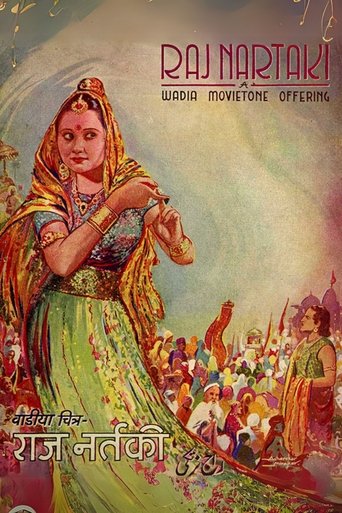
Sadhona Bose
Actor
Born: 1914 in Kolkata, Bengal Presidency, British India Died: null Active: 1941-1941
Films
1 film
About Sadhona Bose
Indian actress and classical dancer who rose to prominence during the early era of Indian talkies. Born into a family with strong artistic traditions, she received extensive training in Indian classical dance forms from an early age, which became the foundation of her cinematic career. Her breakthrough came with the 1941 film 'The Court Dancer' (Raj Nartaki), an ambitious Indo-American co-production that was simultaneously filmed in English and Hindi versions. The film showcased her exceptional dancing abilities and screen presence, earning her recognition as one of India's first international film stars. Despite her promising start in cinema, her film career remained relatively brief, with 'The Court Dancer' being her most notable and widely recognized work. Beyond her film appearances, Bose continued to contribute to Indian performing arts through dance performances and cultural promotion. Her legacy represents an important chapter in the early globalization of Indian cinema and the representation of Indian culture on international screens.
The Craft
On Screen
Sadhona Bose's acting style was deeply rooted in classical Indian performance traditions, combining expressive facial expressions and graceful movements influenced by her extensive dance training. Her screen presence was characterized by elegance and poise, reflecting her background in classical Indian dance forms. She brought a unique cultural authenticity to her performances, seamlessly blending traditional Indian artistic sensibilities with the emerging medium of cinema.
Milestones
- Starred in the first Indo-American co-production 'The Court Dancer' (1941)
- Performed in both English and Hindi versions of the film
- Represented Indian classical dance on international cinema screens
- One of the first Indian actresses to gain recognition in Western markets
Best Known For
Iconic Roles
Must-See Films
Accolades
Won
- null
Nominated
- null
Special Recognition
- Recognized as a pioneer in Indo-American film collaboration
- Acknowledged for promoting Indian classical dance internationally
Working Relationships
Worked Often With
Studios
Why They Matter
Impact on Culture
Sadhona Bose played a significant role in bringing Indian classical dance and culture to international audiences through her work in 'The Court Dancer'. The film's dual-language production represented an early attempt at cross-cultural cinematic collaboration between India and the United States, predating the more widespread international co-productions of later decades. Her performance helped challenge Western perceptions of Indian culture and showcased the sophistication of Indian classical performing arts on a global stage. The film itself was groundbreaking as one of the first Indian productions to receive significant international distribution and attention.
Lasting Legacy
Sadhona Bose's legacy endures as an important figure in the early history of Indian cinema's global outreach. Her work in 'The Court Dancer' represents a milestone in the internationalization of Indian film and the representation of Indian culture in world cinema. While her film career was brief, her contribution to bridging Eastern and Western cinematic traditions during the colonial era remains historically significant. She is remembered as one of the early ambassadors of Indian performing arts who helped pave the way for future generations of Indian artists seeking international recognition.
Who They Inspired
Sadhona Bose influenced subsequent generations of Indian performers by demonstrating that classical Indian arts could find expression and appreciation in the medium of cinema. Her success in an international co-production showed that Indian cultural elements could resonate with global audiences, encouraging future filmmakers to incorporate traditional arts into their work. Her blend of classical dance training and cinematic performance set a precedent for later Indian actresses who came from classical dance backgrounds.
Off Screen
Sadhona Bose came from a family that valued and supported artistic pursuits, which provided her with the foundation to pursue classical dance and later cinema. Her upbringing in Kolkata, then a major center of cultural and artistic activity in British India, exposed her to various forms of performing arts from an early age. While details about her personal life remain limited in historical records, her dedication to preserving and promoting Indian classical arts was evident throughout her career.
Education
Received extensive training in Indian classical dance forms from childhood, though specific educational institutions are not well-documented in historical records
Family
- null
Did You Know?
- 'The Court Dancer' was filmed simultaneously in English and Hindi versions, a rare practice for its time
- The film was one of the first Indo-American co-productions in cinema history
- Sadhona Bose's dance performances in the film were based on classical Indian dance forms
- The film was produced by the Wadia brothers, pioneers of Indian cinema
- The English version of 'The Court Dancer' was aimed at international markets, particularly American audiences
- Despite being her most famous work, 'The Court Dancer' was her only major film appearance
- The film featured elaborate sets and costumes designed to showcase Indian royal culture
- Sadhona Bose was selected for the role partly due to her authentic classical dance training
- The film's production involved both Indian and American technical crew members
- The movie was shot on location in India using early Technicolor processes
In Their Own Words
null
Frequently Asked Questions
Who was Sadhona Bose?
Indian actress and classical dancer who gained fame in the 1940s, best known for her role in the groundbreaking Indo-American co-production 'The Court Dancer' (Raj Nartaki) in 1941. She was one of the first Indian actresses to achieve international recognition and represented Indian classical dance on global cinema screens.
What films is Sadhona Bose best known for?
Titles linked here include The Court Dancer (Raj Nartaki) (1941).
When was Sadhona Bose born and when did she die?
Born 1914; died null.
What awards did Sadhona Bose win?
While specific formal awards are not well-documented for Sadhona Bose, she received recognition as a pioneer in Indo-American film collaboration and was acknowledged for promoting Indian classical dance internationally through her cinematic work.
What was Sadhona Bose's acting style?
Sadhona Bose's acting style was deeply influenced by her classical Indian dance training, characterized by graceful movements, expressive facial expressions, and elegant screen presence. She brought authentic Indian cultural sensibilities to her performances, blending traditional artistic elements with the emerging medium of cinema.