José Montenegro
Actor
- Active
- 1923-1923
Films 1
About José Montenegro
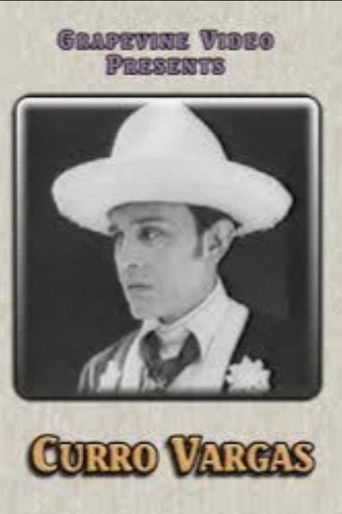
José Montenegro is a sparsely documented Spanish silent-era film actor whose surviving screen credit places him in the 1923 production of "Curro Vargas." Available reference material on classic-cinema databases indicates that he worked in the early Spanish film industry, but detailed biographical records such as his birth and death dates, family background, and later career remain elusive. Because of the limited survival of production documentation from the silent period, his career can presently be confirmed only through the surviving filmography entry rather than through extensive contemporary press coverage or studio publicity. The evidence suggests that he was active during the transitional years of Spanish silent cinema, when regional literary adaptations and melodramatic costume dramas were common subjects. No reliable source currently confirms whether he continued acting beyond 1923, and no substantial record of stage work, radio, or talkie-era film roles has been securely attributed to him. As a result, José Montenegro remains a minor but legitimate figure in early Spanish cinema history, best preserved through film-credit databases and archival film listings. His historical interest lies less in celebrity than in illustrating the many working performers whose contributions formed the backbone of silent-era production.
More about José Montenegro
In film history
José Montenegro's cultural impact is best understood in archival rather than star-focused terms. He belongs to the broad, often under-credited cohort of performers who gave form to Spain's silent cinema at a time when many films, casts, and production details were only partially documented. His known participation in "Curro Vargas" connects him to a period when Spanish filmmakers were adapting recognized dramatic and literary material for the screen, helping establish a national cinema vocabulary that mixed popular melodrama with established cultural texts. Even without a celebrity profile, his preserved credit contributes to the historical map of early Iberian film production and helps scholars identify the reach of silent-era acting labor.
Later reputation
José Montenegro's lasting legacy is primarily archival: he is one of the many early cinema figures whose names survive in filmographies even when personal records have been lost or never widely published. For historians of Spanish silent film, such names are valuable because they document the practical personnel behind productions that shaped the country's early screen culture. His legacy is therefore tied to preservation and reconstruction, reminding modern audiences that film history is built not only on major stars and directors but also on the less-documented supporting actors whose work completed the films. In databases and scholarly catalogues, his credit remains a small but meaningful piece of the historical record of 1920s Spanish cinema.
Influence
There is no verifiable evidence that José Montenegro directly influenced later actors or filmmakers in a documented, traceable way. His importance is indirect: by appearing in an early Spanish silent film, he participated in the professional culture from which later generations of Spanish screen actors emerged. The broader influence of performers like him lies in sustaining the production ecosystem of silent cinema, where ensemble casts and character players were essential to the development of national film style. Any specific claims about mentorship or direct artistic influence would be unsupported by the available evidence.
Off screen
No reliable public information has been located regarding José Montenegro's personal life, including his marriages, children, residence, or activities outside of film. Surviving reference sources for early Spanish cinema do not currently provide enough detail to reconstruct a confirmed private biography. As with many silent-era supporting players, the historical record is incomplete, and any further claims would be speculative. Researchers may yet uncover archival material in Spanish newspaper collections, studio paperwork, or theater programs, but no such evidence is presently verified.
Credits
- Appeared in the 1923 silent film "Curro Vargas," the only securely identified screen credit currently associated with him
- Represents the body of lesser-documented performers active in Spanish silent cinema during the early 1920s
- Contributed to the screen adaptation of a popular literary and theatrical property, reflecting the era's preference for recognized cultural works
- His surviving credit helps historians and databases reconstruct cast lists for early Spanish film production
- Serves as an example of the many silent-era actors whose careers are preserved only fragmentarily in archival records
Roles
- Cast member in "Curro Vargas" (1923)
Films
- Curro Vargas (1923)
Notes
- José Montenegro is currently documented with only one known screen credit: "Curro Vargas" (1923).
- He is associated with Spanish silent cinema, a field in which many performers remain poorly documented.
- No verified birth or death data is readily available in standard film-reference sources.
- His surviving credit is useful to researchers reconstructing cast lists for lost or partially documented films.
- "Curro Vargas" was the sort of literary or dramatic adaptation favored in the Spanish silent era, placing him within an important historical trend.
- He appears to be one of many early film performers whose careers are preserved mainly in filmographies rather than in biographies.
- The limited record makes him a subject of archival interest rather than a widely known public figure.
Questions
Who was José Montenegro?
José Montenegro was a Spanish silent-era actor known from a surviving credit in "Curro Vargas" (1923). He appears to have been part of the early 1920s Spanish film industry, but detailed biographical information about his life has not been reliably preserved.
What films is José Montenegro best known for?
He is best known for "Curro Vargas" (1923), which is the only securely identified film credit currently associated with him. No additional verified film appearances are presently documented in the available reference record.
When was José Montenegro born and when did he die?
His birth and death dates are not currently known from reliable surviving sources. Likewise, his place of birth and death have not been securely documented in the standard references available for early Spanish cinema.
What awards did José Montenegro win?
There are no documented awards or major nominations currently associated with José Montenegro. This is not unusual for many silent-era supporting performers, especially those whose careers were only partially recorded.
What was José Montenegro's acting style?
No detailed contemporary description of his acting style has survived. Based on the era and medium, he would have worked within silent-film performance conventions that relied on expressive gesture, clear physical storytelling, and strong visual presence, but specific stylistic claims cannot be verified.
What is José Montenegro's legacy in film history?
His legacy lies in the historical record of Spanish silent cinema. Even though he is not a widely documented star, his preserved credit helps scholars reconstruct cast histories and understand the personnel who shaped early Spanish film production.