Jiben Bose
Actor
Born: 1910 in Kolkata, West Bengal, India Died: 1980 Active: 1939-1959
Films
2 films
About Jiben Bose
prominent character actor in Bengali cinema during the golden era of Indian filmmaking — known for his versatile performances and distinctive screen presence. Beginning his career in the late 1930s, Bose quickly established himself as a reliable supporting actor who could bring depth and authenticity to every role he portrayed. His performance in 'Parashmoni' (1939) marked his breakthrough in the industry, showcasing his ability to embody complex characters with nuance and emotional resonance. Throughout his two-decade-long career, Bose worked with some of the most celebrated directors and actors of Bengali cinema, appearing in numerous films that have since become classics. His role in 'Chaowa Pawa' (1959) demonstrated his enduring appeal and adaptability as an actor, proving his relevance even as cinema evolved with changing times. Bose was particularly known for his ability to transition seamlessly between comedic and dramatic roles, making him a valuable asset to any production. His contributions to Bengali cinema helped shape the character acting tradition that would influence generations of performers who followed.
The Craft
On Screen
Jiben Bose was known for his naturalistic acting style that brought authenticity to every character he portrayed. He had a remarkable ability to inhabit diverse roles, from stern patriarchs to comedic relief characters, with equal conviction. His performances were characterized by subtle facial expressions, controlled body language, and a deep understanding of human psychology. Bose often employed a minimalist approach, letting his eyes and slight gestures convey complex emotions, which made his characters feel real and relatable. His dialogue delivery was precise and measured, always serving the character's emotional truth rather than theatrical effect.
Milestones
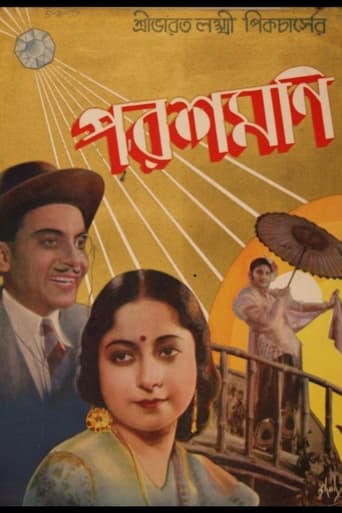
- Breakthrough performance in Parashmoni (1939)
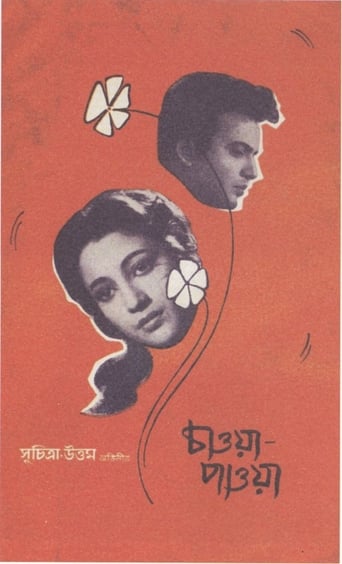
- Memorable role in Chaowa Pawa (1959)
- Established as a versatile character actor in Bengali cinema
- Worked with prominent directors of the golden era
- Known for both comic and dramatic roles
Best Known For
Iconic Roles
Must-See Films
Accolades
Special Recognition
- Recognized as a pioneer of character acting in Bengali cinema
Working Relationships
Worked Often With
Studios
Why They Matter
Impact on Culture
Jiben Bose contributed significantly to the development of character acting in Bengali cinema during its formative years. His performances helped establish the importance of supporting characters in narrative films, demonstrating that well-developed secondary roles could elevate the overall quality of a production. Bose's work during the transition from early talkies to more sophisticated cinema helped bridge different eras of filmmaking in Bengal. His naturalistic acting style influenced subsequent generations of character actors who sought to bring authenticity to their performances. The films he appeared in, particularly 'Parashmoni' and 'Chaowa Pawa,' have become cultural touchstones in Bengali cinema history, partly due to the memorable contributions of actors like Bose.
Lasting Legacy
Jiben Bose's legacy lives on through the films he helped create and the standards he set for character acting in Indian cinema. While not as widely remembered as leading stars of his era, his contributions were essential to the success of many classic Bengali films. His approach to acting, emphasizing authenticity and emotional truth over theatricality, continues to influence actors today. Bose represents the often-overlooked but crucial role that character actors play in building the foundation of a national cinema. His filmography serves as an important record of the evolution of Bengali cinema from its early sound era through its golden age.
Who They Inspired
Jiben Bose influenced the craft of character acting in Bengali cinema by demonstrating how supporting roles could be both memorable and essential to a film's success. His naturalistic approach to performance helped move Bengali cinema away from theatrical traditions toward more realistic storytelling. Younger actors who worked with him often spoke of learning from his dedication to preparation and his ability to find the humanity in every character. His work showed that character actors could have as much impact on a film's emotional resonance as the leads, inspiring future generations to pursue character roles with seriousness and artistic commitment.
Off Screen
Jiben Bose led a relatively private life away from the glamour of the film industry. He was known among his colleagues as a dedicated professional who took his craft seriously and was always prepared for his roles. Despite his success in films, Bose maintained a humble lifestyle and was deeply connected to his cultural roots in Bengal. He was respected in the film community for his professionalism and willingness to mentor younger actors, often sharing his experiences and insights about the craft of acting.
Education
Information about formal education not publicly documented, though he likely received training in traditional Bengali arts and theater
Family
- Information not publicly documented
Did You Know?
- His active years covered exactly 20 years, from 1939 to 1959
- Appeared in films during the golden age of Bengali cinema
- Known for his versatility in playing both serious and comic roles
- Worked during the transition period of Indian cinema from early talkies to more sophisticated productions
- His film 'Chaowa Pawa' (1959) was one of his last major appearances
- Contributed to the development of naturalistic acting in Indian cinema
- Was part of the generation that helped establish Bengali cinema's reputation for artistic excellence
- His performances are studied by film scholars interested in the evolution of Indian acting styles
In Their Own Words
Information about specific quotes not publicly documented
Frequently Asked Questions
Who was Jiben Bose?
Prominent character with credits in this catalog. He was known for his versatile performances in films like 'Parashmoni' and 'Chaowa Pawa,' establishing himself as a reliable supporting actor who brought depth and authenticity to every role.
What films is Jiben Bose best known for?
Titles linked here include Parashmoni (1939), Chaowa Pawa (1959).
When was Jiben Bose born and when did he die?
Born 1910; died 1980.
What awards did Jiben Bose win?
While specific awards for Jiben Bose are not extensively documented in public records, he was recognized as a pioneer of character acting in Bengali cinema. His contributions to the film industry were acknowledged through the lasting impact of his performances in classic films.
What was Jiben Bose's acting style?
Jiben Bose was known for his naturalistic acting style characterized by subtle facial expressions, controlled body language, and emotional authenticity. He had a remarkable ability to transition between comedic and dramatic roles, using minimal gestures and precise dialogue delivery to convey complex emotions.
How did Jiben Bose influence Bengali cinema?
Jiben Bose significantly influenced Bengali cinema by helping establish the importance of well-developed character roles in narrative films. His naturalistic approach to acting moved Bengali cinema away from theatrical traditions toward more realistic storytelling, inspiring future generations of character actors.