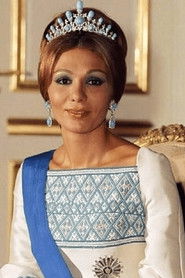
Farah Pahlavi
Actor
- Born
- October 14, 1938, Tehran, Iran
- Active
- 1971-1971
- Birth name
- Farah Diba
Films 1
About Farah Pahlavi
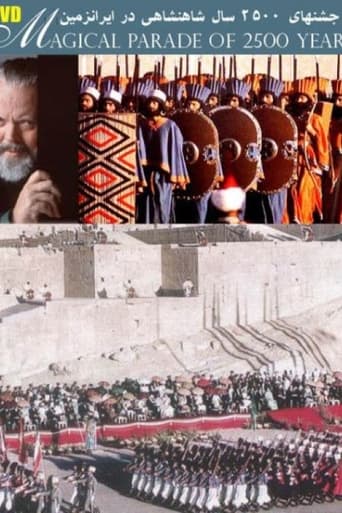
Farah Pahlavi is best known not as a film actor but as the last Empress of Iran and the wife of Mohammad Reza Shah Pahlavi. She was born Farah Diba in Tehran and educated in Tehran and later in France, where she studied architecture before returning to Iran and entering public life. In 1959 she married the Shah and became one of the most visible cultural figures in the country, especially associated with patronage of the arts, museums, and national cultural institutions. Her only connection to cinema in the available record is a 1971 title, Flame of Persia, which does not establish her as a career performer in the classic film industry and is more likely tied to documentary or ceremonial usage than to an acting career. Because of this, she should not be confused with a professional screen actor from the silent or Golden Age era. Her historical importance lies in Iranian history, state cultural patronage, and public representation rather than in film acting. After the 1979 Iranian Revolution, she lived in exile and continued to preserve the memory of the Pahlavi era through public appearances, memoirs, and cultural advocacy.
More about Farah Pahlavi
In film history
Farah Pahlavi had major cultural impact in Iran through patronage of museums, music, theater, literature, and the preservation of Persian heritage. As Empress, she helped symbolize a modernizing national image of Iran in the international sphere, and her public role made her one of the most recognizable women in the Middle East during the Pahlavi period. Her influence extended beyond politics into the cultural life of the country, where her support helped elevate artists, curators, and institutions. In cinema terms, she is not a classic film performer, and her name appears in film-related records primarily because of a single 1971 credit rather than an acting career.
Later reputation
Her lasting legacy is tied to Iranian history, royal patronage of the arts, and the memory of the Pahlavi era rather than to motion-picture performance. She remains a historically significant female public figure whose image was associated with modernization, education, and cultural development before the انقلاب of 1979. In film database contexts, she is important as a name that may appear in archival or documentary titles, but she should not be classified as a conventional classic cinema actor. Her memoirs and public presence have kept her visible in historical discourse long after the end of the monarchy.
Influence
Farah Pahlavi influenced cultural policy, museum development, and public arts patronage in Iran, affecting generations of artists and cultural administrators. Her image as a modern royal woman also had symbolic influence in international media and in representations of Iranian modernization. She did not function as a screen performer in the way actors or actresses of classic cinema did, so her influence on acting traditions is not established. Any cinematic relevance is secondary to her broader historical and cultural role.
Off screen
Farah Pahlavi was born Farah Diba in Tehran into a prominent Iranian family. She studied architecture in France and later married Mohammad Reza Shah Pahlavi, becoming Empress of Iran and the mother of four children. Her life was deeply shaped by the political upheaval of the late 20th century, especially the 1979 Revolution, after which she and her family lived in exile. She has remained an important historical and cultural figure through memoirs, interviews, and public remembrance of the Pahlavi court and its patronage of the arts.
Education
Educated in Tehran before studying architecture in Paris, France
Credits
- Became Queen Consort of Iran upon marrying Mohammad Reza Shah Pahlavi in 1959
- Served as Empress of Iran from 1967 until the Iranian Revolution in 1979
- Associated with major cultural and educational initiatives, including support for museums, the arts, and heritage institutions
- Publicly represented Iran at high-profile state events and international cultural gatherings
- Connected by filmography record to Flame of Persia (1971), but not established as a professional screen actor
Roles
- Empress of Iran
- Queen Consort of Iran
- Cultural patron and public representative
Films
- Flame of Persia (1971)
Honors
- Recognized internationally as Empress of Iran
- Widely honored in state and cultural contexts during the Pahlavi era
Collaborators
- Mohammad Reza Shah Pahlavi
- Iranian cultural institutions and state arts organizations
Family
- Mohammad Reza Shah Pahlavi (1959-1980)
Notes
- She was born Farah Diba, not Farah Pahlavi.
- Her only film-related credit in the supplied data is Flame of Persia (1971).
- She trained in architecture in France before becoming Empress.
- She was the first wife of Mohammad Reza Shah to be crowned Empress in a formal coronation ceremony.
- She is the mother of four children, including Reza Pahlavi.
- After the 1979 Revolution, she and her family lived in exile.
- She is better known as a historical and cultural figure than as a performer.
- Her public image was closely tied to arts patronage and modernization efforts in Iran.
Questions
Who was Farah Pahlavi?
Farah Pahlavi was the last Empress of Iran and the wife of Mohammad Reza Shah Pahlavi. She is historically significant as a cultural patron, public figure, and member of the Iranian royal family rather than as a professional film actor.
What films is Farah Pahlavi best known for?
She is not known for a true acting filmography. The only screen-related title in the supplied record is Flame of Persia (1971), which does not establish her as a classic cinema performer.
When was Farah Pahlavi born and when did she die?
Farah Pahlavi was born on October 14, 1938, in Tehran, Iran. She is still living, so there is no death date.
What awards did Farah Pahlavi win?
No verified acting awards or film-industry awards are associated with her. Her honors are primarily historical and ceremonial, tied to her role as Empress of Iran and her cultural patronage.
What was Farah Pahlavi's acting style?
She is not documented as having an acting style because she was not a professional actress. Her public role was that of a royal and cultural patron, not a screen performer.
What is Farah Pahlavi's legacy?
Her legacy lies in Iranian history, royal cultural patronage, and the symbolic image of modernization before the 1979 Revolution. In film history databases, she is best understood as a historical figure with a minor screen-related credit rather than as a classic cinema actor.