Films
1 film
About Fyodor Brest
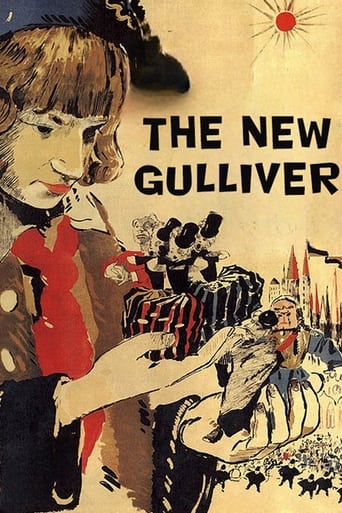
Fyodor Brest is credited on a single production — The New Gulliver (1935). Most notably known for his role in the 1935 film 'The New Gulliver.' His career appears to have been brief, with his only documented film work being in Aleksandr Ptushko's innovative stop-motion masterpiece. As an actor in the Soviet film industry of the 1930s, he was part of a revolutionary period in Russian cinema that combined artistic experimentation with state-sponsored cultural production. 'The New Gulliver' was particularly significant as one of the world's first feature-length stop-motion animated films, blending live-action performances with puppet animation techniques. Brest contributed to this cinematic milestone during a time when Soviet filmmakers were pushing the boundaries of what was technically possible in motion pictures. His limited filmography suggests he may have been primarily a stage actor or had a career in other aspects of performance that wasn't extensively documented in film records.
The Craft
Milestones
- Appeared in 'The New Gulliver' (1935), one of the first feature-length stop-motion films in cinema history
Best Known For
Iconic Roles
Must-See Films
Working Relationships
Worked Often With
Studios
Why They Matter
Impact on Culture
Fyodor Brest's contribution to cinema, while limited in scope, is part of the broader legacy of Soviet innovation in film during the 1930s. 'The New Gulliver' represented a significant technical achievement in stop-motion animation, and all performers involved in this production contributed to a milestone in international cinema history. The film demonstrated Soviet capabilities in special effects and animation during a period when the country was investing heavily in cultural production as a means of showcasing Soviet artistic and technical prowess to the world.
Lasting Legacy
Fyodor Brest's legacy is tied primarily to his participation in 'The New Gulliver,' a film that remains historically significant as an early example of feature-length stop-motion animation. While his individual contribution may be difficult to isolate, he was part of a effort that influenced generations of animators and special effects artists. The film itself continues to be studied by film historians and animation enthusiasts as an important work in the development of stop-motion techniques.
Who They Inspired
Due to the limited documentation of his career and apparent brief time in cinema, Fyodor Brest's direct influence on other performers or filmmakers is difficult to trace. However, his participation in innovative Soviet film productions of the 1930s places him within the broader context of Soviet cinematic experimentation that would later influence international animation and special effects development.
Off Screen
Very limited information is available about Fyodor Brest's personal life, which is not uncommon for Soviet actors from the 1930s who had brief film careers. Many performers from this era worked primarily in theater or other venues with limited documentation of their personal histories.
Did You Know?
- 'The New Gulliver' (1935) was one of the first feature-length stop-motion animated films ever made
- The film combined live-action actors with stop-motion puppet animation
- Director Aleksandr Ptushko was a pioneer in Soviet special effects and animation
- The film was an adaptation of Jonathan Swift's 'Gulliver's Travels' with a communist interpretation
- The production used over 3,000 different puppets for the stop-motion sequences
- The film was a major technical achievement for the Soviet film industry in the 1930s
- Fyodor Brest's film career appears to have been limited to this single production
Frequently Asked Questions
Who was Fyodor Brest?
Soviet with credits in this catalog. His documented film career appears to have been brief, with this being his only known film credit.
What films is Fyodor Brest best known for?
Titles linked here include The New Gulliver (1935).
When was Fyodor Brest born and when did he die?
Specific birth and death dates for Fyodor Brest are not documented in available historical records, which is not uncommon for Soviet actors from the 1930s who had brief film careers.
What awards did Fyodor Brest win?
There are no documented awards or nominations for Fyodor Brest in available film history records, which aligns with his brief and limited filmography.
What was Fyodor Brest's acting style?
Due to limited documentation of his work and apparent single film credit, Fyodor Brest's specific acting style is not well-documented in film history sources.