Films
1 film
About Elena Kondrateva
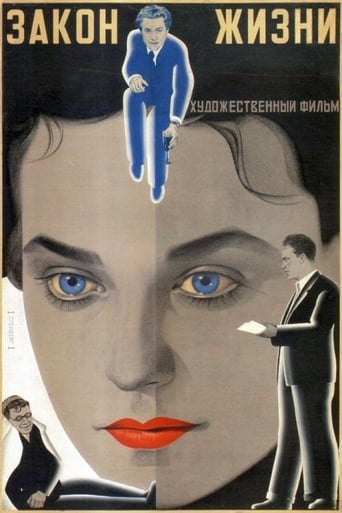
The 1940 film The Law of Life is the only title linked here for Elena Kondrateva. Her career appears to have been notably brief, with her only documented film credit being in the 1940 Soviet drama 'The Law of Life' (Zakon zhizni). This film was directed by Aleksandr Stolper and Boris Yurtsev and was produced during a significant period in Soviet cinema when the industry was developing its distinct artistic identity. Like many actors of her era, Kondrateva worked during a time when Soviet cinema was heavily influenced by state cultural policies and served both artistic and ideological purposes. Her appearance in 'The Law of Life' places her among the generation of actors who helped establish Soviet film traditions during the pre-World War II period. Unfortunately, detailed biographical information about her life and career remains scarce in historical records, suggesting she may have been either a brief performer or one whose career was cut short by the circumstances of the time.
The Craft
Milestones
- Appeared in the Soviet drama film 'The Law of Life' (1940)
Best Known For
Must-See Films
Working Relationships
Worked Often With
Why They Matter
Impact on Culture
Elena Kondrateva's contribution to cinema, while limited to a single known film, represents the broader tapestry of Soviet cinema in 1940. Her participation in 'The Law of Life' places her within the context of pre-war Soviet filmmaking, when the industry was establishing its artistic and cultural identity. Though her individual impact may be difficult to trace due to the brevity of her documented career, she represents the many actors who formed the foundation of Soviet cinema during this crucial developmental period.
Lasting Legacy
Elena Kondrateva's legacy is primarily preserved through her appearance in 'The Law of Life' (1940), a film that stands as a document of Soviet cinematic expression during a pivotal historical moment. While she may not have achieved lasting fame, her contribution to this film represents the collective effort of Soviet artists who helped shape their national cinema. Her story illustrates how many actors from this era, particularly those with brief careers, remain part of cinema's historical record through their participation in films that have survived the passage of time.
Who They Inspired
Due to the limited documentation of Elena Kondrateva's career, her specific influence on other actors or filmmakers cannot be definitively traced. However, like all actors of her generation, she contributed to the evolving acting styles and techniques that characterized Soviet cinema during the 1940s, a period that would influence subsequent generations of Soviet and Russian performers.
Off Screen
Very limited information is available about Elena Kondrateva's personal life, which is not uncommon for Soviet actors of her era, especially those with brief film careers. Historical records from this period can be incomplete, particularly for actors who did not achieve prominent status in the Soviet film industry.
Did You Know?
- Elena Kondrateva's entire known filmography consists of just one film from 1940
- Her only credited film 'The Law of Life' was co-directed by two directors, Aleksandr Stolper and Boris Yurtsev
- The film was released during a critical period in Soviet history, just before the Soviet Union's entry into World War II
- Like many Soviet actors of her era, detailed biographical information is scarce in historical records
- Her career appears to have been exceptionally brief even by the standards of the time
- The Russian title of her only film was 'Zakon zhizni'
- She represents the many lesser-known actors who contributed to Soviet cinema during its formative years
Frequently Asked Questions
Who was Elena Kondrateva?
Soviet actress active during the early 1940s, known primarily for her appearance in the 1940 Soviet drama film 'The Law of Life' (Zakon zhizni). Her documented career appears to have been exceptionally brief, consisting of only this single film credit.
What films is Elena Kondrateva best known for?
Titles linked here include The Law of Life (1940).
When was Elena Kondrateva born and when did she die?
Specific birth and death dates for Elena Kondrateva are not available in historical records, which is not uncommon for Soviet actors of her era, particularly those with brief or minor careers in the film industry.
What awards did Elena Kondrateva win?
There are no documented awards or nominations for Elena Kondrateva in available historical records, which is consistent with her brief film career consisting of only one known film appearance.
What was Elena Kondrateva's acting style?
Due to the limited documentation of her career, with only one known film credit, specific details about Elena Kondrateva's acting style and techniques are not available in historical records.
What was the significance of Elena Kondrateva's only film?
'The Law of Life' (1940) was a Soviet drama film released during a critical period just before the Soviet Union entered World War II. The film represents the artistic and cultural values of Soviet cinema during this era, though it is not widely known internationally.