Films
2 films
About Vladimir Vesnovsky
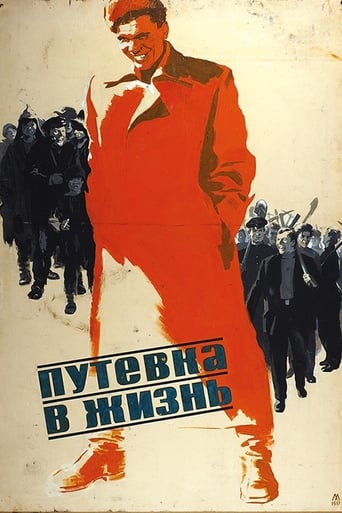
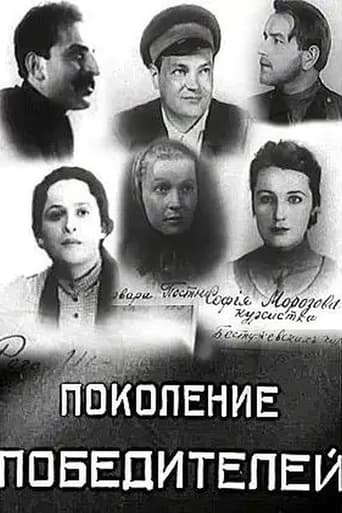
Soviet actor who emerged during the transition from silent films to sound in Soviet cinema. His career, though brief, coincided with a pivotal period in Russian film history when the industry was establishing its distinctive socialist realist style. Vesnovsky gained recognition for his role in Nikolai Ekk's film 'Road to Life' (1931), which was one of the first Soviet sound films and a significant achievement in early cinema technology. He continued his acting career with 'Generation of Victors' in 1936, appearing in productions that reflected the ideological and artistic priorities of Stalinist-era cinema. Despite his promising start in these notable films, Vesnovsky's career appears to have been relatively short-lived, spanning only from 1931 to 1936. His work represents the contribution of character actors who helped build the foundation of Soviet sound cinema during its formative years.
The Craft
Milestones
- Starred in 'Road to Life' (1931), one of the first Soviet sound films
- Appeared in 'Generation of Victors' (1936)
- Worked during the transition period from silent to sound cinema in the USSR
Best Known For
Iconic Roles
Must-See Films
Working Relationships
Worked Often With
Studios
Why They Matter
Impact on Culture
Vladimir Vesnovsky contributed to Soviet cinema during a critical transitional period when the industry was adapting to sound technology. His participation in 'Road to Life' placed him at the forefront of Soviet sound cinema, as this film was instrumental in demonstrating the technical and artistic possibilities of synchronized sound in the Soviet context. The film itself was celebrated both domestically and internationally, winning an award at the Venice Film Festival, which helped establish Soviet cinema's reputation on the world stage. Vesnovsky's work, along with that of his contemporaries, helped establish the acting techniques and performance styles that would become characteristic of Soviet socialist realist cinema throughout the 1930s and beyond.
Lasting Legacy
While Vladimir Vesnovsky's filmography was limited, his contribution to early Soviet sound cinema remains historically significant. His performances in films like 'Road to Life' are preserved as important examples of the transition from silent to sound filmmaking in the Soviet Union. These films serve as valuable cultural artifacts that document not only the technical evolution of cinema but also the artistic and ideological concerns of Soviet society during the early Stalinist period. Vesnovsky's work, though not widely recognized internationally, represents the contributions of the many actors who helped establish the foundation of Soviet cinema during its formative sound era.
Who They Inspired
Due to the limited scope of Vladimir Vesnovsky's known filmography, specific information about his influence on other actors or filmmakers is not well-documented. However, as part of the cast of Soviet sound films, he would have contributed to the development of acting techniques suitable for sound cinema in the Soviet context, helping establish precedents for future generations of Soviet actors working within the socialist realist tradition.
Off Screen
Limited information is available about Vladimir Vesnovsky's personal life. As a Soviet actor during the 1930s, he would have worked within the state-controlled film industry system that dominated Soviet cultural production during this period.
Did You Know?
- 'Road to Life' (1931) was one of the first Soviet sound films to gain international recognition
- The film 'Road to Life' won an award at the 2nd Venice International Film Festival in 1934
- Vesnovsky's active years covered only five years during a crucial period in Soviet cinema history
- Both of his known films were made during Stalin's first Five-Year Plan period
- Soviet actors of this era worked under strict state supervision and censorship
- The transition to sound cinema in the USSR happened slightly later than in Hollywood
- Many Soviet actors from this period had their careers interrupted by World War II or political purges
Frequently Asked Questions
Who was Vladimir Vesnovsky?
Screen credits include several notable films during the transition from silent to sound cinema in the Soviet Union. He is best known for his roles in 'Road to Life' (1931) and 'Generation of Victors' (1936).
What films is Vladimir Vesnovsky best known for?
Titles linked here include Road to Life (1931), Generation of Victors (1936).
When was Vladimir Vesnovsky active in cinema?
Vladimir Vesnovsky's known film active years covered from 1931 to 1936, covering a crucial period in Soviet cinema when the industry was adapting to sound technology and establishing the socialist realist style.
What was significant about 'Road to Life' (1931)?
'Road to Life' was groundbreaking as one of the first Soviet sound films, directed by Nikolai Ekk. It told the story of juvenile delinquents being reformed through labor and was celebrated both in the USSR and internationally, winning an award at the Venice Film Festival.
What was the Soviet film industry like during Vesnovsky's career?
During Vesnovsky's active years (1931-1936), the Soviet film industry was under strict state control and was developing the socialist realist aesthetic. This period saw the transition to sound cinema and increased emphasis on films that supported communist ideology and the goals of the Five-Year Plans.