Films
1 film
About Annie Hartley
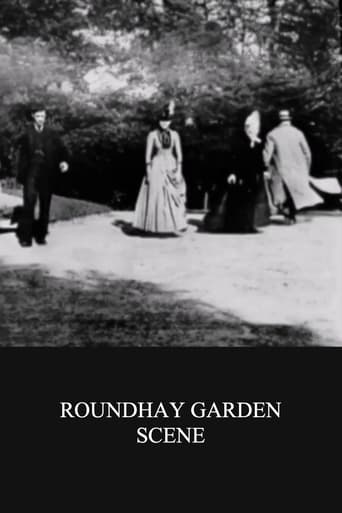
Annie Hartley holds a unique place in cinema history as one of the very first actors to ever appear on film. Her participation in Louis Le Prince's 'Roundhay Garden Scene' in 1888 predates the commercial film industry by several years, making her a pioneer of motion picture performance. The film, lasting only about 2 seconds, captured Annie walking in a garden with other participants, including Sarah Whitley, Joseph Whitley, and Adolphe Le Prince. As this was during the experimental phase of cinema, Annie was not a professional actor but likely a friend or acquaintance of the Le Prince family. Her appearance represents the dawn of film acting, though she would not have known the historical significance of her brief screen time. The fact that this footage survives makes her one of the earliest documented film performers in history. Unfortunately, virtually no other information exists about her life beyond this single, appearance.
The Craft
On Screen
Natural movement in an experimental setting, predating any established film acting techniques
Milestones
- Appeared in Roundhay Garden Scene (1888), the earliest surviving motion picture
- One of the first humans ever captured on moving film
Best Known For
Iconic Roles
Must-See Films
Accolades
Special Recognition
- Historical recognition as one of cinema's first performers
Working Relationships
Worked Often With
Why They Matter
Impact on Culture
Annie Hartley's significance lies entirely in her timing rather than any artistic contribution. As a participant in the earliest surviving motion picture, she represents the very beginning of film performance history. Her brief appearance in 'Roundhay Garden Scene' predates the establishment of cinema as an art form or industry by several years. This makes her an accidental pioneer, someone who unknowingly became part of film history before such a concept even existed. Her image, preserved in Louis Le Prince's experimental footage, serves as a bridge between photography and motion pictures, marking the moment when moving images of humans first became possible.
Lasting Legacy
Annie Hartley's legacy is that of being one of the first humans ever captured on film. While she lived and died before the age of cinema, her image has been preserved for over 130 years as proof of the birth of motion pictures. She represents the starting point of the entire history of film acting, a lineage that would eventually include thousands of performers. Her appearance, though brief and unintentional from an artistic standpoint, marks the beginning of the relationship between humans and the camera that would define the 20th century and beyond.
Who They Inspired
As one of the very first film performers, Annie Hartley had no direct influence on subsequent actors, as she was not part of an established industry and her work was not widely seen. However, her participation in early cinema experiments helped demonstrate the technical possibilities of capturing human movement on film, which influenced pioneers like the Lumière brothers and Thomas Edison to further develop motion picture technology.
Off Screen
Virtually no personal information is available about Annie Hartley, as she appeared during cinema's experimental phase before any film industry or documentation existed.
Did You Know?
- Appeared in what is widely considered the earliest surviving motion picture
- The film she appeared in was only 2 seconds long
- Roundhay Garden Scene was filmed in Roundhay, Leeds, England
- The film was directed by French inventor Louis Le Prince
- She was not a professional actor but likely a friend of the Le Prince family
- Her appearance predates the commercial film industry by about 7 years
- The film was shot at only 12 frames per second
- Roundhay Garden Scene was filmed 10 days before Sarah Whitley (another participant) died
- The footage was captured on paper film rather than celluloid
- Louis Le Prince mysteriously disappeared two years after making this film
Frequently Asked Questions
Who was Annie Hartley?
Annie Hartley was one of the very first actors in cinema history, appearing in Louis Le Prince's 'Roundhay Garden Scene' in 1888, which is considered the earliest surviving motion picture.
What films is Annie Hartley best known for?
Titles linked here include Roundhay Garden Scene (1888).
When was Annie Hartley born and when did she die?
Annie Hartley's birth and death dates are unknown, as she appeared during cinema's experimental phase before any industry documentation existed.
What awards did Annie Hartley win?
Annie Hartley received no formal awards, as she appeared before the establishment of any film industry or award ceremonies. Her significance is purely historical as one of cinema's first performers.
What was Annie Hartley's acting style?
Annie Hartley's performance consisted of natural walking movement in an experimental setting, predating any established film acting techniques or the concept of screen acting as an art form.