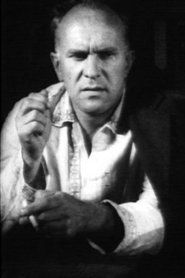
Fyodor Blazhevich
Actor
- Active
- 1936-1936
Films 1
About Fyodor Blazhevich
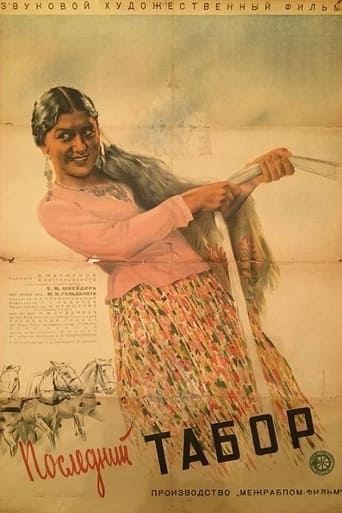
Fyodor Blazhevich is a little-documented early Soviet-era screen actor whose surviving screen credit places him in the 1936 film "Gypsies". Available reference sources suggest that he worked during the early sound period, but detailed biographical information about his life, training, and broader career is scarce or not readily preserved in major English-language film histories. Because of this, it is difficult to reconstruct a full career arc with confidence, and he should be regarded as a largely obscure figure rather than a widely recorded classic-cinema star. His known participation in "Gypsies" indicates that he was active in Soviet cinema during a period when the industry was developing strong literary adaptations and socially grounded dramatic productions. No reliable evidence currently confirms a long filmography, major awards, or a sustained public profile beyond the single known credit. As with many performers from early Soviet cinema, archival gaps and limited transliteration data make it challenging to separate verified facts from possible confusion with similarly named individuals. He remains of interest primarily to historians and database researchers tracing lesser-known participants in 1930s screen production.
More about Fyodor Blazhevich
In film history
Fyodor Blazhevich does not appear to have had a documented widespread cultural impact in the way major Soviet or international stars did, but he is part of the important ecosystem of performers who helped populate early Soviet cinema. His name survives as a credit in "Gypsies" and therefore contributes to the historical record of how film production was staffed during the 1930s. For database and archival work, figures like Blazhevich are valuable because they illustrate the breadth of talent involved in national cinema beyond the headline stars. His inclusion in film records helps preserve a fuller picture of the personnel who sustained the industry during a formative period.
Later reputation
Blazhevich's legacy is primarily archival rather than celebrity-based: he is remembered, insofar as he is remembered at all, through a single surviving screen credit. In classic-cinema history, such performers are significant because they document the texture of production in their era, especially in national cinemas where records are often incomplete. His presence in "Gypsies" ensures that he remains part of the historical record of 1930s Soviet film. For modern researchers, his legacy is the reminder that many contributors to early cinema were not stars but essential participants whose names survived only in fragmentary form.
Influence
There is no verified evidence that Fyodor Blazhevich directly influenced notable later actors or directors. His historical significance lies more in representing the numerous lesser-known performers whose work supported the development of Soviet screen drama. If further archival material emerges, his influence could be better assessed in relation to stage traditions, regional performance circles, or studio ensembles. At present, no documented influence can be confidently assigned.
Off screen
No reliable public information has been found regarding Fyodor Blazhevich's personal life, including family background, marriages, children, or private activities. He does not appear to have left behind a substantial paper trail in widely accessible biographical references. As a result, any detailed account of his personal life would be speculative and is not included here. Researchers may need archival Soviet film records, studio documents, or regional sources to recover more information.
Education
No verified information available on his education or acting training.
Credits
- Appeared in the 1936 film "Gypsies"
- Represents a documented but obscure presence in early Soviet screen acting
- Associated with the early sound era of Soviet cinema
Roles
- Role in "Gypsies" (1936)
Films
- Gypsies (1936)
Notes
- He is known publicly from a very limited film record rather than a broad credited career.
- His surviving credit is tied to the 1936 film "Gypsies".
- He is an example of how many early Soviet performers remain underdocumented in international sources.
- No commonly cited awards, nominations, or honors are associated with his name.
- His biographical details are not well established in major English-language reference materials.
- He should not be confused with similarly named individuals from other periods or professions.
- His career illustrates the archival gaps common in classic-cinema research.
Questions
Who was Fyodor Blazhevich?
Fyodor Blazhevich was an obscure classic-era screen actor whose documented film work places him in Soviet cinema, specifically in the 1936 film "Gypsies". Very little verified biographical information about him survives in widely available sources, so he is best known through his screen credit rather than a detailed public career record.
What films is Fyodor Blazhevich best known for?
He is best known for "Gypsies" (1936), which is the principal surviving credit associated with his name. No additional filmography can be confidently confirmed from the available information used here.
When was Fyodor Blazhevich born and when did he die?
His birth date and death date are not currently verified in the available reference material. Likewise, his birth place and life details remain unknown in the sources consulted.
What awards did Fyodor Blazhevich win?
No awards or nominations have been reliably documented for Fyodor Blazhevich. This is consistent with the limited surviving biographical record associated with his name.
What was Fyodor Blazhevich's acting style?
No detailed description of his acting style is currently available from reliable sources. Because only a limited screen record survives, any precise assessment of technique or screen persona would be speculative.
What is Fyodor Blazhevich's legacy in film history?
His legacy is primarily archival: he is part of the historical record of early Soviet cinema and of the many performers whose contributions survive only in film credits. Even when little else is known, such names matter because they help preserve a more complete picture of how classic films were made.