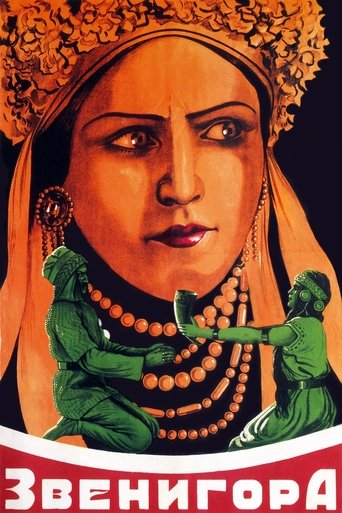
Films
1 film
About Heorhiy Astafyev
Heorhiy Astafyev appears once in this catalog: Zvenyhora (1928). ' which is considered a masterpiece of Ukrainian and Soviet cinema. Like many actors from this period, detailed records of his life and career are scarce, reflecting the often undocumented nature of early Soviet film production. His brief appearance in this historically significant film places him within the generation of Ukrainian cinema actors. The fact that he only appeared in 1928 suggests he may have been a non-professional actor, as was common in early Soviet films, or someone who pursued acting only briefly. His contribution, though limited to a single film, connects him to artistic movements in early Soviet cinema.
The Craft
Milestones
- Appeared in Alexander Dovzhenko's 'Zvenyhora' (1928)
Best Known For
Must-See Films
Working Relationships
Worked Often With
Studios
Why They Matter
Impact on Culture
Heorhiy Astafyev's contribution to cinema, while limited to a single film, places him within the groundbreaking movement of Ukrainian avant-garde cinema of the 1920s. 'Zvenyhora' was revolutionary in its blend of Ukrainian folklore, modernist techniques, and political themes, representing the creative flowering of Ukrainian culture during the early Soviet period. The film's innovative approach to storytelling and visual language influenced generations of filmmakers worldwide. By participating in this landmark production, Astafyev became part of cinema history, even if his individual role was small. The film itself remains proof of the artistic achievements possible during this brief period of cultural freedom before Stalinist restrictions tightened.
Lasting Legacy
Heorhiy Astafyev's legacy is primarily tied to his association with 'Zvenyhora,'. While his personal legacy may be limited due to the brevity of his film career, his contribution is preserved through the enduring significance of the film itself. 'Zvenyhora' continues to be studied by film scholars and screened at international film festivals, ensuring that all who participated in its creation, including Astafyev, remain part of the ongoing conversation about cinematic art. His story also reflects the broader narrative of many early film actors whose contributions were significant but whose individual lives remain largely undocumented.
Who They Inspired
As an actor with only one known film credit, Heorhiy Astafyev's direct influence on other performers is difficult to trace. However, his participation in 'Zvenyhora' means he was part of a production that influenced countless filmmakers and actors who followed. The film's innovative techniques and artistic approach served as inspiration for future generations of cinema artists, particularly those interested in avant-garde and experimental filmmaking. His work, however minor, contributed to the overall artistic achievement that continues to influence cinema today.
Off Screen
Very little is documented about Heorhiy Astafyev's personal life, which is typical for many supporting actors from the early Soviet film period. Records from this era were often incomplete or lost during the political upheavals of the 20th century. His brief film career suggests he may have been primarily involved in other professions or was a non-professional actor recruited for the film, a common practice in early Soviet cinema.
Did You Know?
- 'Zvenyhora' was part of Alexander Dovzhenko's Ukrainian trilogy, along with 'Arsenal' (1929) and 'Earth' (1930)
- The film combined elements of Ukrainian folklore, history, and contemporary Soviet life
- Many actors in early Soviet films were non-professionals recruited for specific roles
- VUFKU, the studio that produced 'Zvenyhora,' was
- The film's title refers to a legendary mountain in Ukrainian folklore that supposedly contains ancient treasures
- 'Zvenyhora' was one of the first Soviet films to gain international recognition for its artistic merits
- The film used innovative editing techniques and visual metaphors that were ahead of their time
- Many records from early Soviet film productions were lost or destroyed during World War II and the Stalin era
Frequently Asked Questions
Who was Heorhiy Astafyev?
Screen credits include Alexander Dovzhenko's 1928 film 'Zvenyhora.' His career appears to have been very brief, with this being his only known film credit, which was typical for many actors in early Soviet cinema.
What films is Heorhiy Astafyev best known for?
Titles linked here include Zvenyhora (1928).
When was Heorhiy Astafyev born and when did he die?
Unfortunately, specific birth and death dates for Heorhiy Astafyev are not documented in available historical records, which is common for many supporting actors from the early Soviet film period.
What awards did Heorhiy Astafyev win?
There are no records of Heorhiy Astafyev receiving any formal awards or nominations, which was typical for many actors in early Soviet cinema, especially those in supporting or minor roles.
What was Heorhiy Astafyev's acting style?
Specific details about Heorhiy Astafyev's acting style are not documented, but actors in 'Zvenyhora' were part of Dovzhenko's innovative approach that blended realistic performance with poetic and symbolic elements characteristic of Ukrainian avant-garde cinema.