Ines Melidoni
Actor
- Active
- 1913-1913
Films 1
About Ines Melidoni
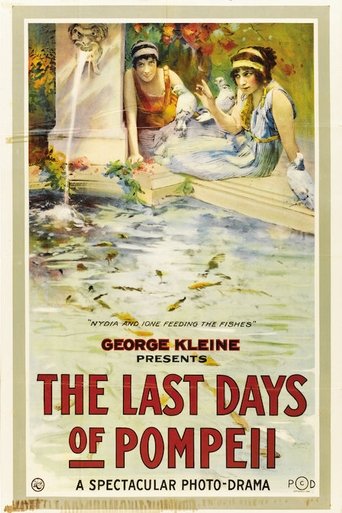
Ines Melidoni is an obscure silent-era screen actress whose surviving film record is extremely limited. She is credited as appearing in the 1913 Italian production The Last Days of Pompeii, one of the many early cinematic versions of Edward Bulwer-Lytton's novel. Beyond that single surviving credit, reliable biographical documentation about her life, training, birthplace, family background, or later career is currently scarce in standard film reference sources. Because of this, she remains one of the many early European film performers whose contributions are preserved primarily through fragmentary cast listings rather than detailed studio publicity or memoirs. Her known screen work places her within the formative years of Italian cinema, when historical epics and literary adaptations were helping define the medium's international prestige. No verified evidence currently confirms whether she continued acting after 1913, whether she worked on stage, or whether she used a stage name. Her significance today lies mainly in her presence in an important early silent film and in the broader historical record of women working in the first decade of feature-length cinema.
More about Ines Melidoni
In film history
Ines Melidoni's cultural impact is best understood as part of the largely undocumented labor of early film performers who helped shape silent cinema without leaving extensive personal archives. Her credited presence in The Last Days of Pompeii places her within a landmark period of Italian film history, when production companies were experimenting with large-scale historical storytelling and literary adaptation. Even when individual performers are now obscure, their work contributed to the visual vocabulary, performance conventions, and international appeal of early feature filmmaking. For modern historians, figures like Melidoni illustrate how many early women in cinema remain under-recorded despite participating in productions that were important to the development of the medium.
Later reputation
Her legacy is primarily archival rather than celebrity-based: she is remembered because her name survives in cast records for a notable 1913 silent film. In the history of classic cinema, this kind of legacy is significant because it preserves evidence of early screen acting communities that were often under-documented, especially women working before the studio publicity systems of later decades. Ines Melidoni's surviving credit helps scholars map the personnel involved in early Italian productions and better understand the breadth of talent contributing to silent-era spectacle. While she is not a widely documented star, her inclusion in film histories ensures that her contribution is not completely lost.
Influence
There is no verified evidence that Ines Melidoni directly influenced later actors or directors in a documented, traceable way. Her broader influence is indirect, through participation in early Italian silent cinema and its performance traditions. The productions of this period informed later historical epics and helped establish the expressive, visually oriented acting style associated with silent film. As such, her role is part of the foundation on which later cinematic practices were built, even if her individual artistic influence cannot be separately confirmed.
Off screen
No reliable public information has been located regarding Ines Melidoni's personal life, including her family background, marriages, children, residence, or activities outside film. Standard silent-era reference sources and readily available historical film records do not currently provide verified biographical details beyond her credited screen appearance. As a result, any attempt to reconstruct her private life would be speculative and is best avoided until new archival evidence appears.
Credits
- Credited appearance in the 1913 silent film The Last Days of Pompeii
- Participation in the early Italian silent-cinema era, when historical and literary spectacles were becoming internationally recognized
- Association with one of the best-known cinematic adaptations of a major 19th-century novel
Roles
- Unspecified role in The Last Days of Pompeii (1913)
Films
- The Last Days of Pompeii (1913)
Notes
- Ines Melidoni is known primarily through a single surviving screen credit rather than a full biographical record.
- Her documented film appearance is in The Last Days of Pompeii (1913), an early silent adaptation of a famous novel.
- She is associated with Italian silent cinema during one of its most creatively formative years.
- No verified birth or death information is currently available in standard reference sources.
- No confirmed stage career, later filmography, or personal biography has been widely documented.
- Her obscurity is typical of many early silent-era performers whose careers were not extensively preserved in studio publicity materials.
- Because her record is so limited, she is of special interest to film historians working to reconstruct early cinema personnel lists.
Questions
Who was Ines Melidoni?
Ines Melidoni was a silent-era film actor known for appearing in the 1913 production The Last Days of Pompeii. Beyond that film credit, very little verified biographical information about her life and career has survived in standard reference sources.
What films is Ines Melidoni best known for?
She is best known for The Last Days of Pompeii (1913), the main film in which she is currently documented as appearing. No other verified film credits are widely established in available reference materials.
When was Ines Melidoni born and when did she die?
Her birth date and death date are not currently verified in the available historical record. Likewise, her birthplace and other core biographical details remain unavailable from standard film references.
What awards did Ines Melidoni win?
No awards or nominations are currently documented for Ines Melidoni. This is not unusual for early silent-era performers, many of whom worked before the modern awards system existed.
What was Ines Melidoni's acting style?
Her individual acting style is not documented in surviving reference sources. As a performer in an early silent film, she would have worked within the expressive, gesture-driven conventions common to the era, but no detailed critical description of her technique is currently available.
What is Ines Melidoni's legacy in film history?
Her legacy is mainly historical and archival: she represents the many early film performers whose names survive only through cast lists and production records. Her credit in a significant 1913 silent film helps preserve part of the personnel history of early Italian cinema.