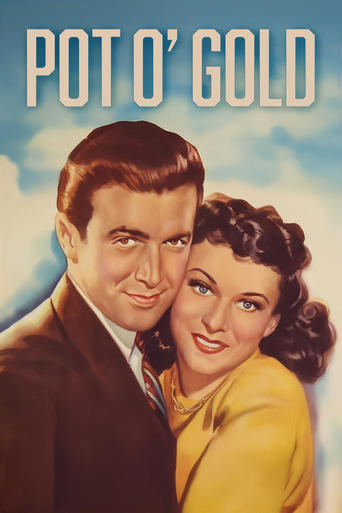

Dick Hogan
Actor
Born: June 20, 1917 in New York City, New York, USA Died: November 21, 1995 Active: 1941-1941 Birth Name: Richard Hogan
Films
1 film
About Dick Hogan
American character actor who worked briefly during Hollywood's Golden Age, primarily known for his appearance in the 1941 musical comedy 'Pot o' Gold.' Born Richard Hogan, he entered the film industry at a time when studios were constantly seeking fresh faces for supporting roles. His career, though brief, coincided with the peak of the studio system era when actors were often contracted to specific production companies. Hogan appeared alongside established stars like James Stewart and Paulette Goddard, demonstrating the typical trajectory of many character actors of the period. His filmography, while limited, represents the type of ensemble casting that defined Hollywood productions during the early 1940s. Like many supporting actors of his generation, Hogan contributed to the classic cinema without achieving major stardom. His brief screen career reflects the challenging nature of sustaining long-term success in the competitive Hollywood environment of the 1940s.
The Craft
On Screen
As a character actor in the early 1940s, Dick Hogan employed the naturalistic acting style that was becoming standard in Hollywood talkies, moving away from the more theatrical approach of the silent era. His performances were characterized by the straightforward, unpretentious delivery typical of supporting actors in studio productions of the period.
Milestones
- Appeared in 'Pot o' Gold' (1941) starring James Stewart and Paulette Goddard
- Worked during the Golden Age of Hollywood studio system
- Part of ensemble cast in major Paramount musical production
Best Known For
Iconic Roles
Must-See Films
Working Relationships
Worked Often With
Studios
Why They Matter
Impact on Culture
Dick Hogan's contribution to cinema, while limited in scope, represents the essential role that character actors played in Hollywood's Golden Age. His appearance in 'Pot o' Gold' places him within the context of early 1940s musical comedies, a genre that helped define American popular culture during World War II. Like many supporting actors of his era, Hogan was part of the foundation upon which Hollywood's star system was built, providing the necessary ensemble elements that made major productions successful.
Lasting Legacy
Dick Hogan's legacy is that of a typical Hollywood character actor whose brief career exemplifies the transient nature of fame in classic cinema. His work in 'Pot o' Gold' ensures his place in film history, however minor, as a contributor to one of the era's notable musical productions. Hogan represents the thousands of actors who passed through Hollywood's studio system, leaving behind small but meaningful contributions to the golden age of American cinema.
Who They Inspired
As a brief participant in Hollywood's Golden Age, Dick Hogan's direct influence on subsequent generations of actors appears limited. However, his work in studio productions of the early 1940s contributed to the professional standards and ensemble techniques that would influence future character actors in Hollywood and beyond.
Off Screen
Dick Hogan led a relatively private life outside of his brief film career. Born in New York City, he was part of the generation of actors who came of age during the Great Depression and sought opportunities in the burgeoning Hollywood studio system. After his brief stint in films, Hogan appears to have left the entertainment industry, as was common for many character actors who struggled to find consistent work in the competitive Hollywood environment.
Did You Know?
- 'Pot o' Gold' was Dick Hogan's only credited film role
- The film featured the hit song 'When You Wore a Tulip'
- Dick Hogan worked during the transition period when Hollywood was adjusting to wartime production demands
- His character was part of the ensemble that supported James Stewart's lead role
- The film was one of Paramount's major musical productions of 1941
- Hogan was one of many New York actors who migrated to Hollywood during the studio era
- His brief career coincided with the peak of the Hollywood studio system's power
Frequently Asked Questions
Who was Dick Hogan?
American character with credits in this catalog. His career was brief, spanning only the year 1941, but he represents the typical supporting actor who contributed to ensemble casts during the studio era.
What films is Dick Hogan best known for?
Titles linked here include Pot o' Gold (1941).
When was Dick Hogan born and when did he die?
Born June 20, 1917; died November 21, 1995.
What awards did Dick Hogan win?
There are no recorded awards or nominations for Dick Hogan, which was typical for character actors with brief careers in the studio system era. His contribution to cinema remains through his work in ensemble casts rather than through formal recognition.
What was Dick Hogan's acting style?
Dick Hogan employed the naturalistic acting style that was becoming standard in early 1940s Hollywood, moving away from theatrical techniques of the silent era. His approach was straightforward and unpretentious, typical of supporting actors who needed to blend seamlessly into ensemble casts without overshadowing the stars.
Did Dick Hogan have a long career in Hollywood?
No, Dick Hogan's film career was extremely brief, limited to 1941 according to available records. This was not uncommon for character actors during the studio era, many of whom struggled to find consistent work in Hollywood's competitive environment despite the system's constant need for fresh faces.