
Max Baer
Actor
Born: February 11, 1909 in Omaha, Nebraska, USA Died: November 21, 1959 Active: 1929-1959 Birth Name: Maximilian Adelbert Baer
Films
1 film
About Max Baer
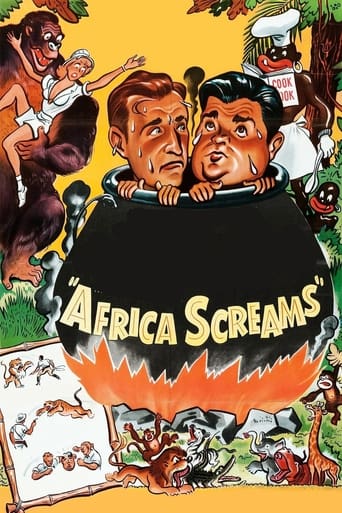
American heavyweight boxing champion who successfully transitioned into a popular Hollywood actor during the Golden Age of cinema. Born in Omaha, Nebraska, Baer rose to boxing fame in the 1930s, capturing the World Heavyweight Championship in 1934 by defeating Primo Carnera in one of boxing's most memorable upsets. Known for his devastating punching power and charismatic showmanship, Baer's boxing career was marked by both spectacular victories and tragic moments, including the fatal fight with Frankie Campbell in 1930. After retiring from boxing, he leveraged his celebrity status into a successful acting career, appearing in over 30 films from the 1930s through the 1950s. Baer often played himself or characters that capitalized on his boxing fame, showcasing natural comedic timing and a larger-than-life screen presence. His most notable film roles included 'The Prizefighter and the Lady' (1933), 'Africa Screams' (1950) with Abbott and Costello, and 'The Harder They Fall' (1956). Beyond his entertainment career, Baer was also a successful businessman and remained a beloved public figure until his sudden death from a heart attack in 1959 at age 50.
The Craft
On Screen
Natural and charismatic performer who specialized in playing versions of himself or ex-boxers. Baer's acting style was characterized by his easy-going charm, comedic timing, and ability to poke fun at his own boxing persona. He had a natural screen presence that translated well from his athletic career, often playing the 'gentle giant' type with a heart of gold. His performances were typically understated but effective, relying on his genuine personality rather than technical acting training.
Milestones
- World Heavyweight Champion (1934)
- Defeated Primo Carnera for championship
- Successful transition to Hollywood acting
- Starred in over 30 films
- Received Hollywood Walk of Fame star
- Boxing Hall of Fame inductee
Best Known For
Iconic Roles
Must-See Films
Accolades
Won
- Hollywood Walk of Fame Star (1960, posthumous)
- International Boxing Hall of Fame Inductee (1995, posthumous)
Nominated
- Academy Award nomination for Best Actor for 'The Prizefighter and the Lady' (1933)
Special Recognition
- World Boxing Hall of Fame
- Ring Magazine Hall of Fame
- Nebraska Sports Hall of Fame
Working Relationships
Worked Often With
Studios
Why They Matter
Impact on Culture
Max Baer significantly impacted both sports and entertainment culture, bridging the gap between athletic achievement and Hollywood stardom. As one of the first major sports stars to successfully transition to film acting, Baer paved the way for future athletes seeking entertainment careers. His charismatic personality and showmanship in the ring helped transform boxing from mere sport to entertainment spectacle. In Hollywood, he helped establish the archetype of the athlete-turned-actor, bringing authenticity to roles that required physical presence and athletic credibility. His appearances in Abbott and Costello films introduced boxing to mainstream family entertainment, while his dramatic roles in films like 'The Harder They Fall' addressed serious issues about the boxing industry.
Lasting Legacy
Max Baer's legacy encompasses both his revolutionary impact on boxing entertainment and his role as an athlete-actor in Hollywood. He is remembered as one of boxing's most charismatic champions who brought showmanship to the sport, influencing future generations of fighters. His successful transition to acting created a blueprint for athletes seeking entertainment careers. Through his son Max Baer Jr.'s success in television, the Baer family name has remained prominent in American entertainment. Baer's story represents the American Dream narrative of the era - a working-class boy achieving fame and success through talent, determination, and personality. His life and career continue to be studied as an example of how athletic celebrity can translate to broader cultural influence.
Who They Inspired
Max Baer influenced numerous athletes who followed him into entertainment, including Muhammad Ali, Mike Tyson, and Dwayne 'The Rock' Johnson. His natural acting style and ability to play himself on screen set a standard for authenticity in sports-related films. In boxing, his showmanship and promotional skills influenced how fighters marketed themselves and built their public personas. His tragic experience with the Frankie Campbell fight led to increased safety measures in professional boxing. In Hollywood, he demonstrated that athletes could be credible actors without formal training, opening doors for future sports stars in entertainment.
Off Screen
Max Baer was married twice and had three children. His first marriage was to Mary Ellen Sullivan from 1931 to 1941, with whom he had two sons, Max Baer Jr. (who became famous as Jethro Bodine on 'The Beverly Hillbillies') and James Baer. His second marriage was to Dorothy Dunstan from 1949 until his death in 1959. Baer was known for his flamboyant lifestyle, love of practical jokes, and generous nature. He was also a successful businessman, investing in real estate and various business ventures. His brother, Buddy Baer, was also a professional boxer and actor who appeared in several films with him.
Education
Attended local schools in Omaha, Nebraska; left formal education early to pursue boxing career
Family
- Mary Ellen Sullivan (1931-1941)
- Dorothy Dunstan (1949-1959)
Did You Know?
- Killed Frankie Campbell in the ring in 1930, an event that haunted him throughout his life
- Had a star-shaped tattoo on his shoulder, unusual for his era
- Was nicknamed 'The Livermore Larupper' early in his career
- His championship fight against Primo Carnera drew 72,000 spectators
- Appeared as himself in over 15 films, a record for the time
- His son Max Baer Jr. Turned down the role of Jethro three times before accepting
- Was a close friend of fellow boxer-actor Victor McLaglen
- Owned and operated a popular restaurant in Los Angeles
- Was an accomplished amateur golfer with a near-scratch handicap
- Once fought an exhibition match against Jack Dempsey to raise money for charity
In Their Own Words
I never had any trouble with my opponents. It's the referees I can't stand.
Boxing is a business. You go in there to win, not to get hurt.
I've got a million-dollar smile and a ten-cent brain.
The crowd doesn't pay to see a boxing match; they pay to see a show.
When you're champion, you're on top of the world. But you're also the biggest target.
Frequently Asked Questions
Who was Max Baer?
American heavyweight boxing champion who became World Heavyweight Champion in 1934 and later transitioned into a successful Hollywood with credits in this catalog.
What films is Max Baer best known for?
Titles linked here include The Prizefighter and the Lady (1933), Africa Screams (1950).
When was Max Baer born and when did he die?
Born February 11, 1909; died November 21, 1959.
What awards did Max Baer win?
Baer received an Academy Award nomination for Best Actor for 'The Prizefighter and the Lady' (1933), earned a Hollywood Walk of Fame star (posthumously in 1960), and was inducted into the International Boxing Hall of Fame in 1995.
What was Max Baer's boxing record and achievements?
Baer had a professional boxing record of 71-13 with 53 knockouts. He became World Heavyweight Champion in 1934 by defeating Primo Carnera and was known for his devastating punching power and charismatic showmanship.
Was Max Baer related to any other famous actors?
Yes, Max Baer was the father of Max Baer Jr., who became famous for playing Jethro Bodine in the television series 'The Beverly Hillbillies.' His brother Buddy Baer was also a professional boxer and actor.
What was Max Baer's acting style like?
Baer's acting style was natural and charismatic, often playing versions of himself or ex-boxers. He relied on his genuine personality, comedic timing, and athletic presence rather than formal acting training, making him believable in sports-related roles.