Films
1 film
About Nam Chun-yeok
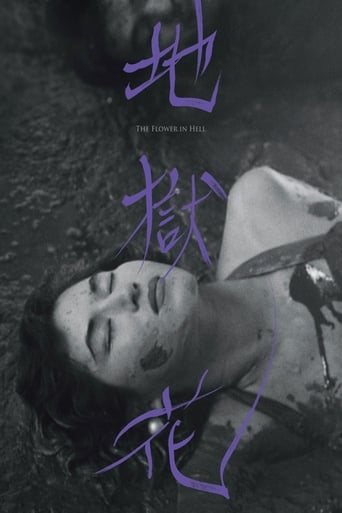
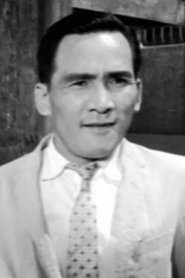
This archive lists one role for Nam Chun-yeok: The Flower in Hell (1958). A pivotal period in Korean cinema following the Korean War. His only documented film appearance was in Shin Sang-ok's acclaimed 1958 drama 'The Flower in Hell' (지옥의 꽃), which was one of the significant films of Korea's first golden age of cinema. The film itself was notable for its bold themes and modernist approach, dealing with the lives of people living near the U.S. Military base camp towns. Unfortunately, very little detailed information survives about Nam Chun-yeok's career, personal life, or other potential film work, as many records from this era of Korean cinema were lost or destroyed during the political upheavals of the following decades. His brief appearance in this historically important film represents his entire known contribution to Korean cinema.
The Craft
Milestones
- Appeared in 'The Flower in Hell' (1958)
Best Known For
Must-See Films
Working Relationships
Worked Often With
Why They Matter
Impact on Culture
As a minor actor in one of Korea's most important early films, Nam Chun-yeok's contribution, while small, is part of the broader tapestry of Korean cinema's development during its first golden age. 'The Flower in Hell' is now recognized as a masterpiece that pushed boundaries in Korean filmmaking, and all participants in its creation, including minor actors, played a role in this cultural milestone.
Lasting Legacy
Nam Chun-yeok's legacy is primarily tied to his participation in 'The Flower in Hell,' a film that has gained significant historical importance in Korean cinema studies. While his individual contribution may have been minor, the film itself continues to be studied and celebrated as a work in Korean film history.
Who They Inspired
Due to the limited documentation of his career and apparent brief time in the film industry, there is no available information about Nam Chun-yeok's influence on other actors or filmmakers.
Off Screen
Very little information is available about Nam Chun-yeok's personal life, as was common for many supporting actors of this era in Korean cinema.
Did You Know?
- Appeared in what is now considered
- His entire known film career consists of a single year (1958)
- The Flower in Hell was directed by the renowned Shin Sang-ok, who would later become one of Korea's most famous directors
- The film was controversial for its time due to its depiction of camp town life near U.S. Military bases
- Many Korean films from this era were lost, making surviving works like The Flower in Hell particularly valuable
Frequently Asked Questions
Who was Nam Chun-yeok?
South Korean with credits in this catalog.' Very little is documented about his career beyond this single film credit.
What films is Nam Chun-yeok best known for?
Titles linked here include The Flower in Hell (1958).
When was Nam Chun-yeok born and when did he die?
Specific birth and death dates for Nam Chun-yeok are not available in existing records, which is common for many supporting actors from this era of Korean cinema.
What awards did Nam Chun-yeok win?
There are no documented awards or nominations for Nam Chun-yeok, which is not unusual for actors with very brief or minor film careers during this period.
What was Nam Chun-yeok's acting style?
Due to limited documentation and the apparent brevity of his career, there is insufficient information to describe Nam Chun-yeok's specific acting style or techniques.
Why is The Flower in Hell significant?
'The Flower in Hell' (1958) is considered a masterpiece of Korean cinema's first golden age, known for its bold themes and modernist approach. The film's historical importance makes all its contributors, including Nam Chun-yeok, part of Korean film heritage.