
Films
1 film
About Gennadiy Filippov
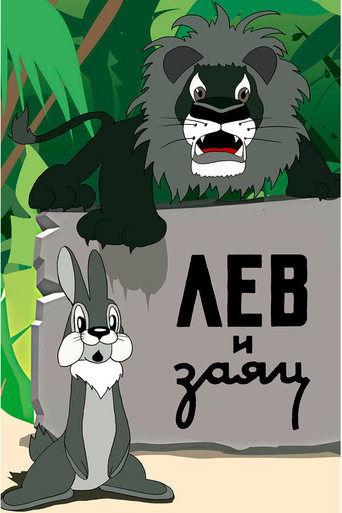
Soviet animator and director active during the late 1940s, best known for his work at the Soyuzmultfilm studio. His career, though brief, coincided with the golden age of Soviet animation when the state-run studio was producing some of its most enduring works. Filippov's sole credited directorial work was 'The Lion and the Hare' (1949), a classic Soviet animated short that showcased the distinctive style and storytelling techniques of the era. Working within the constraints of the Soviet film system, he contributed to the rich tradition of Russian animation that often adapted fables and folk tales for educational and entertainment purposes. His film demonstrated the technical sophistication and artistic vision that characterized Soyuzmultfilm's output during this period. While his directorial career appears to have been limited to this single production, the film itself has become a significant part of Soviet animation history, frequently referenced in studies of the era's cinematic achievements.
The Craft
Behind the Camera
Classical Soviet animation style emphasizing clear narrative, moral lessons, and technical precision within the tradition of adapting fables and folk tales for children's entertainment
Milestones
- Director of 'The Lion and the Hare' (1949)
- Work at Soyuzmultfilm studio during its golden age
Best Known For
Must-See Films
Working Relationships
Studios
Why They Matter
Impact on Culture
Gennadiy Filippov's contribution to Soviet cinema, while limited to a single directorial credit, represents an important part of the broader Soviet animation movement of the late 1940s. 'The Lion and the Hare' stands as proof of the systematic approach to children's entertainment in the Soviet Union, where animation served both educational and artistic purposes. The film exemplifies the state-sponsored approach to creating content that would instill values while showcasing technical excellence in animation. His work, though not widely recognized internationally, contributed to the Soviet cultural production during a period when the government heavily invested in animated films as tools for education and cultural transmission.
Lasting Legacy
Gennadiy Filippov's legacy is primarily preserved through his single directorial work, 'The Lion and the Hare,' which continues to be studied by animation historians interested in the Soviet era. The film serves as an important example of the aesthetic and narrative approaches that defined Soviet animation during the late 1940s, a period when Soyuzmultfilm was establishing itself as one of the world's leading animation studios. While Filippov himself may not be widely remembered, his contribution to this significant chapter in animation history represents the work of countless dedicated artists and directors who operated within the Soviet system.
Who They Inspired
Due to the limited documentation of his career and apparent single directorial credit, it's difficult to trace Gennadiy Filippov's direct influence on other filmmakers. However, his work at Soyuzmultfilm during its formative years places him within the broader influence of Soviet animation techniques and storytelling approaches that would later impact animators worldwide, particularly through the studio's international distribution of films in subsequent decades.
Off Screen
Very little is documented about Gennadiy Filippov's personal life, as he appears to have been a relatively obscure figure in Soviet cinema despite his connection to the prestigious Soyuzmultfilm studio.
Did You Know?
- 'The Lion and the Hare' was produced during a peak period for Soyuzmultfilm, which would later become famous for productions like 'Hedgehog in the Fog'
- The film is based on a classic fable, following the Soviet tradition of adapting folk tales and moral stories for animation
- 1949 was a significant year for Soviet animation, as the industry was recovering from World War II and experiencing renewed state investment
- Soyuzmultfilm, where Filippov worked, was founded in 1936 and would become the most influential animation studio in the Soviet Union
- The late 1940s saw Soviet animation shifting toward more sophisticated techniques and longer-form storytelling
- Very little biographical information about Filippov survives, suggesting he may have been a junior director or this may have been a pseudonym
- The film's style reflects the characteristic Soviet approach of combining entertainment with clear moral instruction
- Animation directors in the Soviet Union often worked in teams, making individual contributions difficult to trace
Frequently Asked Questions
Who was Gennadiy Filippov?
Soviet animator and on YTB.my.
What films is Gennadiy Filippov best known for?
Titles linked here include The Lion and the Hare (1949).
When was Gennadiy Filippov born and when did he die?
Specific birth and death dates for Gennadiy Filippov are not documented in available historical records, though he was active as a director in 1949.
What awards did Gennadiy Filippov win?
There are no documented awards or nominations specifically attributed to Gennadiy Filippov in the available historical records.
What was Gennadiy Filippov's directing style?
Filippov's directing style reflected the classical Soviet animation approach of the late 1940s, emphasizing clear narrative storytelling, moral lessons, and technical precision in adapting fables for children's entertainment.