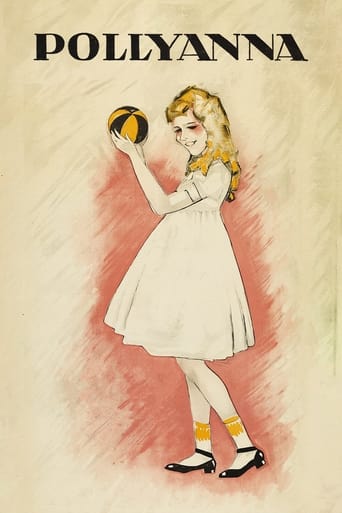
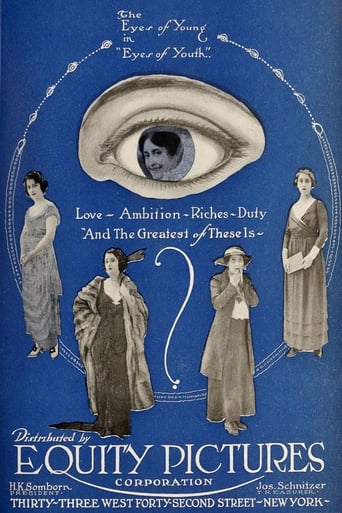
Films
2 films
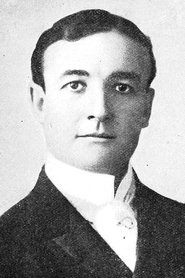
About William Courtleigh
American stage and silent film actor who appeared briefly on screen in the late 1910s and early 1920s, most notably in Eyes of Youth (1919) and Pollyanna (1920). He came out of the theatrical world, like many performers of his generation, and brought a stage-trained presence to motion pictures during a period when film acting was still absorbing techniques from live theatre. His screen career, as far as surviving records show, was limited and clustered at the end of the silent era rather than spanning a long Hollywood tenure. Courtleigh is most significant today as part of the generation of classically trained actors who helped bridge legitimate theatre and early film performance. Because the historical record on his life is sparse, many personal details are not firmly documented in widely available sources, but his work places him within the important silent-era transition from stage-oriented acting to a more naturalistic screen style. He should not be confused with other members of the Courtleigh theatrical family, who were also active in American performance culture. His film appearances in prestigious literary and social-drama pictures suggest he was considered a reliable character player rather than a major star.
The Craft
On Screen
Courtleigh appears, from the nature of his surviving film work, to have been a stage-trained character actor whose screen performances would have emphasized clarity of gesture, dignity of bearing, and precise emotional expression. Actors of his background typically relied on controlled movement and articulate facial expression to project feeling in silent cinema. His likely style would have been more restrained and professional than melodramatic by comparison with earlier screen acting, suited to the increasingly naturalistic approach of the late 1910s. Surviving evidence is limited, so this characterization is based on the performance norms of the roles and productions with which he was associated.
Milestones
- Appeared in the silent social drama Eyes of Youth (1919)
- Appeared in the highly popular adaptation Pollyanna (1920)
- Represented the classically trained stage actors who moved into film during the silent era
- Worked in prestige productions associated with literary and moral-drama themes
Best Known For
Iconic Roles
Must-See Films
Why They Matter
Impact on Culture
William Courtleigh’s cultural impact lies less in celebrity than in representation: he belongs to the generation of performers who carried the habits of the American stage into the developing medium of cinema. In films like Eyes of Youth and Pollyanna, actors of his kind helped legitimize screen drama by giving it credibility, poise, and a sense of theatrical professionalism. Though he was not a star whose name became widely known to the public, performers like Courtleigh were essential to the artistic maturation of silent film, especially in prestige productions aimed at middle-class audiences. His presence also reflects the film industry’s reliance on experienced stage actors during the 1910s and early 1920s, when casting often depended on theatrical pedigree.
Lasting Legacy
Courtleigh’s legacy is that of a small but meaningful contributor to silent-era film history, especially within the tradition of stage actors who helped shape screen acting in its formative years. Because his filmography is brief and his personal history not well preserved in major reference works, his importance is largely historical rather than celebrity-based. He remains of interest to scholars and database users because his name appears in surviving credits for notable films and because he represents a class of performers whose work underpinned the era’s cinematic professionalism. In this sense, his legacy is tied to the broader story of how early Hollywood drew upon theatre talent to build its acting culture.
Who They Inspired
There is no evidence that William Courtleigh directly mentored major later stars, but his career is emblematic of the influence older stage actors had on silent-film performance conventions. Theatrical performers like Courtleigh influenced screen acting by normalizing disciplined movement, vocal expressiveness adapted to gesture, and serious character interpretation even without sound. His work in literary and moral dramas helped establish the kinds of credible, emotionally legible performances that later became standard in mainstream Hollywood. His influence is therefore indirect and historical, part of the larger migration of stage technique into cinema.
Off Screen
Publicly accessible biographical information about William Courtleigh is limited, and detailed records of his private life are not readily available in standard film reference sources. He is associated with the Courtleigh theatrical name, which was connected to American stage performance, but firm, verified details about his marriages, children, or household life are not widely documented in the surviving mainstream film history record. As a result, his personal life remains largely outside the historical spotlight, overshadowed by better-documented contemporaries from the silent era. The scarcity of information is typical for many supporting performers whose careers were brief or primarily stage-based.
Education
No reliable, widely documented educational history is readily available in standard film reference sources.
Did You Know?
- He is known from a very small surviving screen record, with only a couple of confirmed film appearances in the 1919-1920 period.
- His credited film roles place him in adaptations and prestige dramas rather than in comedy or action serials.
- He should not be confused with other Courtleigh family members involved in stage performance.
- His career illustrates how many silent-era actors worked briefly on screen after theatrical careers.
- Because his filmography is sparse, he is of particular interest to historians and database researchers who track lesser-known silent performers.
- His screen work falls in the final years before synchronized sound transformed acting styles and industry casting.
Frequently Asked Questions
Who was William Courtleigh?
American stage and silent film with credits in this catalog. He is best remembered for appearances in Eyes of Youth (1919) and Pollyanna (1920). His screen career was brief, but he represents the theatrical talent that helped shape early Hollywood acting.
What films is William Courtleigh best known for?
Titles linked here include Eyes of Youth (1919), Pollyanna (1920).
When was William Courtleigh born and when did he die?
Reliable publicly accessible sources do not provide verified birth and death dates for this specific William Courtleigh. Because the historical record is sparse, those details should be treated as currently unavailable unless confirmed from archival research.
What awards did William Courtleigh win?
No known film awards or formal industry honors are documented for William Courtleigh in surviving mainstream reference sources. His significance is historical and performance-based rather than award-based.
What was William Courtleigh's acting style?
He likely used a stage-trained, controlled style suited to silent cinema, with clear gesture and expressive facial work. Performers of his background typically balanced theatrical clarity with the more naturalistic demands that films were beginning to adopt in the late silent era.
What is William Courtleigh's legacy in film history?
His legacy lies in being part of the generation of theatre actors who helped establish silent film performance standards. Even though he was not a major star, his credited work in notable productions makes him a useful figure for understanding early screen acting and casting practices.