Films
1 film
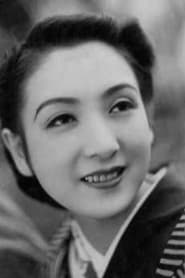
About Hiroko Kawasaki
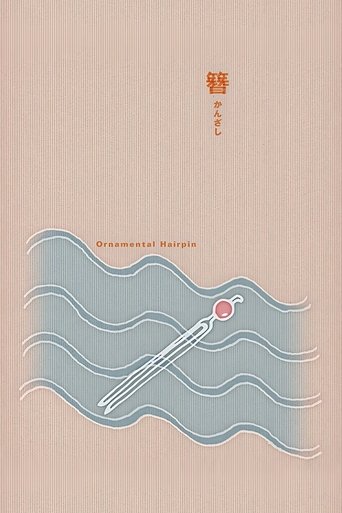
The 1941 film Ornamental Hairpin is the only title linked here for Hiroko Kawasaki. A tumultuous period in Japanese cinema history. Her known filmography consists of a single appearance in 'Ornamental Hairpin' (Kanzashi) in 1941, a film released during Japan's wartime era when the film industry was heavily controlled and censored by the government. Little is documented about her career trajectory or background, suggesting she may have been either a minor character actress, a newcomer whose career was interrupted by World War II, or someone who left the industry shortly after this appearance. The film itself was part of Japan's cinematic output during a period when the government used film as propaganda, though many films from this era still maintained traditional Japanese storytelling elements. Her brief appearance in this historical context places her among the many actors whose careers were shaped or cut short by the circumstances of war.
The Craft
Milestones
- Appeared in 'Ornamental Hairpin' (1941)
Best Known For
Must-See Films
Why They Matter
Impact on Culture
As an actress from Japan's wartime cinema period, Hiroko Kawasaki represents the many performers whose careers were shaped by the historical circumstances of their time. The early 1940s in Japan saw the film industry heavily regulated by the government, with many films serving dual purposes as entertainment and propaganda. Even minor actors like Kawasaki were part of this cultural apparatus, contributing to the cinematic landscape that reflected Japanese society during a critical historical period. The scarcity of information about her career also highlights how historical events, particularly World War II, disrupted and often erased the records of many artists from this era.
Lasting Legacy
Hiroko Kawasaki's legacy is primarily that of a representative figure from Japan's wartime cinema, one of the many actors whose contributions to film history remain largely undocumented due to the passage of time and the disruptions caused by World War II. Her appearance in 'Ornamental Hairpin' places her within the context of Japanese cinema's golden age, even if her role was minor. The lack of extensive information about her career serves as a reminder of how many artists from this period have been lost to history, their stories waiting to be rediscovered through film preservation and historical research efforts.
Who They Inspired
Due to the limited documentation of her career and brief filmography, there is no available information about Hiroko Kawasaki's influence on other actors or filmmakers. Her single known film appearance makes it difficult to assess her impact on the craft of acting or her role in mentoring others in the industry.
Off Screen
Very little is documented about Hiroko Kawasaki's personal life, which is not uncommon for minor character actors from this period of Japanese cinema, especially those with brief careers during wartime.
Did You Know?
- Her only known film appearance was in 1941, the same year Japan entered World War II
- The film 'Ornamental Hairpin' was released during a period of heavy government censorship in Japanese cinema
- Many actors from this period of Japanese cinema have incomplete or lost records due to wartime destruction
- The title 'Kanzashi' refers to traditional Japanese hair ornaments, suggesting the film's cultural themes
- 1941 was a pivotal year in Japanese cinema, as the industry shifted to support wartime efforts
Frequently Asked Questions
Who was Hiroko Kawasaki?
Japanese actress active in 1941, known for her appearance in the film 'Ornamental Hairpin' (Kanzashi). Very little is documented about her career, suggesting she may have been a minor character actress or had a very brief career in the film industry.
What films is Hiroko Kawasaki best known for?
Titles linked here include Ornamental Hairpin (1941).
When was Hiroko Kawasaki born and when did she die?
Unfortunately, there are no available records of Hiroko Kawasaki's birth or death dates. This lack of biographical information is not uncommon for minor actors from this period of Japanese cinema.
What awards did Hiroko Kawasaki win?
There are no records of Hiroko Kawasaki receiving any awards or nominations for her work in cinema. Given her brief filmography consisting of a single film appearance, this is not surprising.
What was Hiroko Kawasaki's acting style?
Due to the limited documentation of her career and the fact that only one of her films is known, there is no available information about Hiroko Kawasaki's specific acting style or techniques.
Why is there so little information about Hiroko Kawasaki?
The scarcity of information about Hiroko Kawasaki is likely due to several factors: her brief career, the minor nature of her role, the disruption of World War II on Japanese cinema, and the loss or incomplete preservation of records from this period.
What was the context of Japanese cinema in 1941?
1941 was a critical year in Japanese cinema, marked by heavy government censorship and the use of film as propaganda. The industry was transitioning to support wartime efforts, and many films from this period reflected nationalistic themes while maintaining traditional Japanese cultural elements.