Pert Kelton
Actor
Born: October 14, 1907 in Helena, Montana, United States Died: October 30, 1968 Active: 1929-1968 Birth Name: Lillian Kelton
Films
1 film
About Pert Kelton
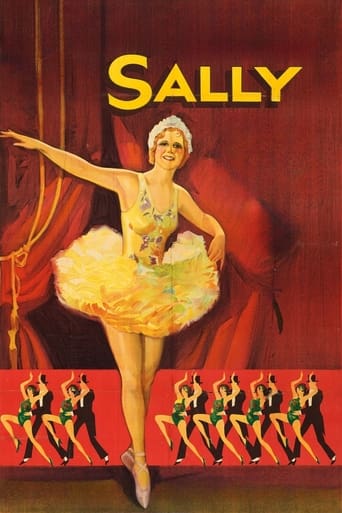
Pert Kelton worked on one surviving credit: Sally (1929). Born in 1907, she made her film debut in the early talkie era with appearances in musicals like 'Sally' (1929), showcasing her talents as both an actress and singer. Throughout the 1930s and 1940s, she became a familiar face in Hollywood supporting roles, often playing sharp-tongued, comedic characters in films for major studios. Her most significant contribution to entertainment history came in the early 1950s when she originated the role of Alice Kramden in 'The Honeymooners' sketches on Jackie Gleason's variety shows. Health issues, including a heart condition and being blacklisted during the Red Scare era, forced her to leave the role, which was then taken over by Audrey Meadows. Despite these setbacks, Kelton continued working in television and film through the 1960s, appearing in popular shows like 'The Andy Griffith Show' and 'The Beverly Hillbillies'. Her legacy as a trailblazing female comedian and her original portrayal of Alice Kramden have secured her place in television history.
The Craft
On Screen
Pert Kelton was known for her sharp, quick-witted comedic delivery and distinctive gravelly voice. Her acting style combined vaudeville timing with naturalistic dialogue delivery, making her particularly effective in domestic comedy roles. She excelled at playing feisty, street-smart characters who could deliver cutting remarks with perfect timing. Her physical comedy was subtle but effective, often using facial expressions and gestures to enhance her comedic impact.
Milestones
- Film debut in 'Sally' (1929)
- Originated the role of Alice Kramden in 'The Honeymooners' (1951-1955)
- Broadway performances in 'The Front Page' and 'The Music Man'
- Over 100 film and television appearances
- Vaudeville circuit performer in the 1920s
Best Known For
Iconic Roles
Must-See Films
Accolades
Won
- Sarah Siddons Award (1964)
Nominated
- Emmy Award nomination for 'The Honeymooners' (1955)
Special Recognition
- Hollywood Walk of Fame star (Television category)
- Posthumous induction into the Television Hall of Fame
Working Relationships
Worked Often With
Studios
Why They Matter
Impact on Culture
Pert Kelton's portrayal of Alice Kramden established the template for the working-class television wife archetype, influencing countless domestic comedies that followed. Her performance broke ground by presenting a female character who was not only a loving wife but also a strong-willed, intelligent woman who stood up to her husband. The character's famous catchphrases and arguments with Ralph Kramden became part of American popular culture, referenced in countless other shows and films. Kelton's ability to balance comedy with genuine emotional depth helped elevate television sitcoms beyond simple slapstick into more nuanced character studies.
Lasting Legacy
Pert Kelton's legacy endures through her foundational work in early television comedy and her role as Alice Kramden. Though often overshadowed by Audrey Meadows' longer tenure in the role, film historians and television scholars recognize Kelton as the originator who defined the character's personality and relationship dynamics. Her career trajectory from vaudeville to early talkies to television represents the evolution of American entertainment itself. Kelton is remembered as a resilient performer who overcame personal and professional challenges, including blacklisting and health issues, to leave an indelible mark on American comedy.
Who They Inspired
Kelton influenced generations of television actresses through her portrayal of Alice Kramden, demonstrating how a sitcom wife could be both funny and formidable. Her comedic timing and delivery style influenced performers like Lucille Ball and Mary Tyler Moore. The character dynamics she established with Jackie Gleason set the standard for television couple relationships for decades. Her ability to deliver cutting lines while maintaining audience sympathy became a model for future sitcom actresses playing strong female characters.
Off Screen
Pert Kelton married actor and director Robert B. Sinclair in 1940, who tragically died in a home accident in 1942. She later married actor and composer Richard Hubert in 1945, with whom she remained until her death. The couple had no children together. Kelton faced significant health challenges throughout her life, including rheumatic fever as a child that affected her heart, and later developed heart disease that contributed to her death at age 61. During the 1950s Red Scare, she was blacklisted for a time due to alleged communist sympathies, which impacted her career opportunities.
Education
Educated in Montana public schools, later studied drama in New York City while pursuing vaudeville work
Family
- Robert B. Sinclair (1940-1942)
- Richard Hubert (1945-1968)
Did You Know?
- Was the original Alice Kramden before Audrey Meadows
- Appeared in over 100 films and television shows
- Was blacklisted during the McCarthy era
- Had a distinctive gravelly voice that became her trademark
- Started her career in vaudeville at age 16
- Her stage name 'Pert' was a nickname from childhood
- Won a Sarah Siddons Award for her stage work
- Was a talented singer and dancer in early musical films
- Her husband Robert B. Sinclair died in a tragic home accident
- Appeared in the original Broadway production of 'The Music Man'
In Their Own Words
One of these days, POW! Right in the kisser!
How sweet it is!
You're a real riot, you know that? A real riot!
I've got a big mouth and I'm not afraid to use it!
Frequently Asked Questions
Who was Pert Kelton?
American actress and comedian best known for originating the role of Alice Kramden in 'The Honeymooners' television sketches. She had a career spanning from the late 1920s through the 1960s, appearing in films, Broadway productions, and television shows.
What films is Pert Kelton best known for?
Titles linked here include Sally (1929), The Man Who Came to Dinner (1942).
When was Pert Kelton born and when did she die?
Born October 14, 1907; died October 30, 1968.
What awards did Pert Kelton win?
Pert Kelton received the Sarah Siddons Award in 1964 for her stage work and was nominated for an Emmy Award for 'The Honeymooners' in 1955. She also received a star on the Hollywood Walk of Fame and was posthumously inducted into the Television Hall of Fame.
What was Pert Kelton's acting style?
Pert Kelton was known for her sharp, quick-witted comedic delivery and distinctive gravelly voice. Her style combined vaudeville timing with naturalistic dialogue, excelling at playing feisty, street-smart characters with perfect comedic timing and subtle physical comedy.
Why was Pert Kelton replaced as Alice Kramden?
Pert Kelton was replaced as Alice Kramden due to a combination of health issues (heart problems) and being blacklisted during the McCarthy era. Audrey Meadows took over the role and became more closely associated with it.
What was Pert Kelton's real name?
Pert Kelton's birth name was Lillian Kelton. 'Pert' was a childhood nickname that she adopted as her stage name when she began her entertainment career.
How did Pert Kelton influence television comedy?
Pert Kelton established the template for the working-class television wife through her portrayal of Alice Kramden, influencing countless domestic comedies. She demonstrated how sitcom wives could be both loving and strong-willed, setting standards for character dynamics in television couples.