Films
1 film
About Francesco Cacace
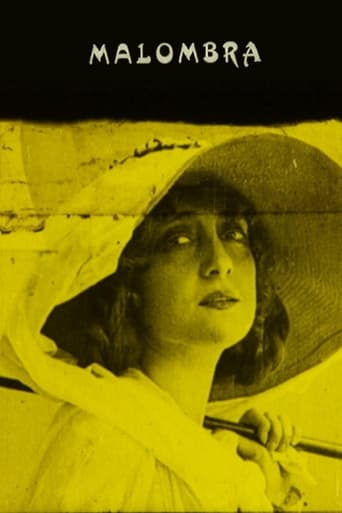
Francesco Cacace worked on one surviving credit: Malombra (1917). His entire known film career consists of a single role in the 1917 film 'Malombra,' works of the Italian diva film genre. This film, directed by Carmine Gallone and starring the Lyda Borelli, was based on Antonio Fogazzaro's novel and represented the height of Italian cinematic artistry during World War I. Cacace appeared in this production during a time when Italian cinema was experiencing its golden age, producing elaborate and emotionally intense melodramas that captivated European audiences. Unfortunately, like many supporting actors of this period, detailed records of his life and career are scarce, suggesting he may have been either a stage actor who briefly ventured into film or someone who left the industry after this single appearance. The obscurity surrounding his career reflects the common fate of many character actors from early cinema whose contributions were significant but largely undocumented.
The Craft
Milestones
- Appeared in 'Malombra' (1917), a landmark Italian silent film
- Participated in the diva film genre during its peak period
- Worked with director Carmine Gallone during his formative years
- Shared screen with legendary actress Lyda Borelli
Best Known For
Iconic Roles
Must-See Films
Working Relationships
Worked Often With
Why They Matter
Impact on Culture
Francesco Cacace's contribution to cinema, while minimal in scope, is part of the broader tapestry of Italian silent film history. His appearance in 'Malombra' places him within the context of the diva film movement, which was crucial in establishing Italy as a major cinematic power in the 1910s. These films, characterized by their psychological depth and visual sophistication, influenced international cinema and helped develop the language of film acting. Even as a minor participant, Cacace was part of this artistic revolution that pushed the boundaries of cinematic expression and emotional storytelling.
Lasting Legacy
The legacy of Francesco Cacace is primarily archival, representing the countless anonymous actors who contributed to early cinema's development. His single known film appearance in 'Malombra' serves as a reminder of the collaborative nature of filmmaking and the many unsung artists who participated in creating cinematic masterpieces. While his name may not be remembered in film history books, his contribution to this significant work of Italian cinema makes him part of the foundation upon which modern Italian cinema was built.
Who They Inspired
Due to the extremely limited nature of Francesco Cacace's known film work, there is no documented evidence of his influence on other actors or filmmakers. His brief appearance during the silent era places him among the many character actors whose individual influences were not recorded but who collectively contributed to the development of film acting techniques and the establishment of cinema as an art form.
Off Screen
Very little is known about Francesco Cacace's personal life, which is typical for many supporting actors from the early Italian cinema period. The lack of biographical information suggests he may have been either a stage actor who made a brief foray into film or someone who left the entertainment industry shortly after his appearance in 'Malombra.' His single film credit indicates he was not a major star of the era, and like many character actors of the time, his life story remains largely undocumented in film history archives.
Did You Know?
- 'Malombra' (1917) was one of the last major diva films produced in Italy before the industry declined after World War I
- The film was based on a novel by Antonio Fogazzaro, a prominent Italian writer of the late 19th century
- Lyda Borelli, the star of 'Malombra,' was
- Director Carmine Gallone would go on to have one of the longest careers in Italian film history, spanning over 50 years
- The diva film genre that 'Malombra' exemplified was known for its psychological complexity and melodramatic intensity
- Many Italian silent films, including potentially 'Malombra,' have been lost to time due to the fragile nature of early film stock
- The film was produced during World War I, a period that significantly impacted Italian film production
- Diva films like 'Malombra' were particularly popular with female audiences and often featured strong, complex female protagonists
Frequently Asked Questions
Who was Francesco Cacace?
Italian with credits in this catalog.' His career appears to have been extremely brief, with this being his only documented film credit, making him one of the many obscure character actors from early Italian cinema.
What films is Francesco Cacace best known for?
Titles linked here include Malombra (1917).
When was Francesco Cacace born and when did he die?
Unfortunately, specific birth and death dates for Francesco Cacace are not documented in available film archives, which is common for many supporting actors from early Italian cinema. His only known film work dates from 1917.
What awards did Francesco Cacace win?
There are no recorded awards or nominations for Francesco Cacace, which is typical for character actors from the silent film era, particularly those who had very brief careers in the industry.
What was Francesco Cacace's acting style?
Due to the lack of surviving documentation about his performances and the absence of his work in film archives, Francesco Cacace's specific acting style cannot be determined. He would have worked within the conventions of Italian silent film acting of the 1910s.