Films
1 film
About Noemi De Ferrari
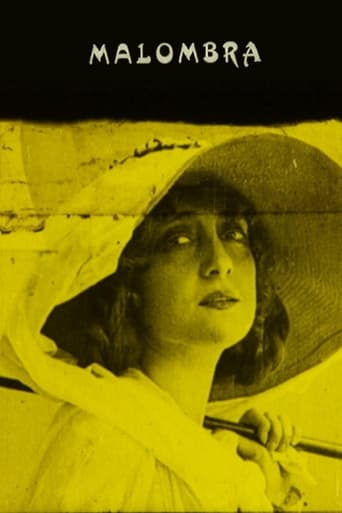
The 1917 film Malombra is the only title linked here for Noemi De Ferrari. Her entire known film career consisted of a single appearance in the 1917 silent drama 'Malombra,' directed by Carmine Gallone. This film was an adaptation of Antonio Fogazzaro's popular novel and was one of the significant Italian literary adaptations of its time. De Ferrari's role, while not the lead, placed her within the prestigious production that showcased the technical and artistic sophistication of Italian cinema during this period. The film was notable for its atmospheric cinematography and psychological depth, characteristics that defined the 'diva film' genre popular in Italian cinema at the time. Unfortunately, like many actors from this era, detailed records of her life and career are scarce, and she appears to have vanished from the film industry after this single appearance. Her brief career trajectory was not uncommon for supporting actors in the highly competitive and rapidly evolving Italian film industry of the 1910s.
The Craft
On Screen
As a supporting actress in the Italian silent film tradition, De Ferrari likely employed the expressive, gestural acting style characteristic of the period. Italian silent cinema, particularly in the 'diva film' genre, emphasized dramatic physical expression and emotional intensity through movement and facial expression. Her performance would have been influenced by the theatrical traditions that dominated early Italian film acting.
Milestones
- Appeared in the prestigious Italian silent film 'Malombra' (1917) directed by Carmine Gallone
- Participated in one of the notable literary adaptations of the Italian silent era
- Worked during the peak period of Italian silent cinema production
Best Known For
Iconic Roles
Must-See Films
Working Relationships
Worked Often With
Studios
Why They Matter
Impact on Culture
Noemi De Ferrari's contribution to cinema, while brief, represents the collective effort of hundreds of actors who formed the backbone of early Italian cinema. Her participation in 'Malombra' places her within the context of Italy's significant contribution to world cinema during the silent era, a period when Italian films were among the most technically and artistically advanced globally. The film itself was part of the sophisticated literary adaptation tradition that characterized Italian cinema's artistic ambitions.
Lasting Legacy
Noemi De Ferrari's legacy is preserved through her appearance in 'Malombra,' a film that survives as an important artifact of Italian silent cinema. While she did not achieve lasting fame, she represents the countless actors who contributed to cinema's development during its formative years. Her brief career serves as a reminder of the transient nature of early film careers and the many artists whose contributions have been largely lost to history.
Who They Inspired
As a minor figure in early Italian cinema, De Ferrari's direct influence on subsequent performers is difficult to trace. However, her participation in the sophisticated productions of the period contributed to the overall elevation of film as an art form in Italy, which would influence generations of Italian filmmakers and actors to come.
Off Screen
Very little is known about Noemi De Ferrari's personal life, which is typical for many supporting actors from the early Italian silent film period. Records from this era were often incomplete, and many actors who did not achieve stardom left behind minimal documentation of their lives outside of their film work.
Did You Know?
- 'Malombra' (1917) was based on a novel by Antonio Fogazzaro, a popular Italian writer of the time
- The film was directed by Carmine Gallone, one of Italy's most prolific early directors
- Italian cinema of the 1910s was among the most advanced in the world, with films known for their elaborate sets and sophisticated cinematography
- The 'diva film' genre, to which 'Malombra' belonged, was uniquely Italian and featured strong female protagonists
- Many actors from the Italian silent era, like De Ferrari, had very brief careers and are now largely forgotten
- The film industry in Italy during this period was centered in Turin and Rome
- Silent films required actors to convey emotion through exaggerated gestures and facial expressions
- Early Italian cinema often adapted popular literature, bringing classical and contemporary works to the screen
- The 1910s marked the peak of Italian film production before the industry's decline after World War I
- Supporting actors in silent films often received little credit and their identities were sometimes lost in film records
Frequently Asked Questions
Who was Noemi De Ferrari?
Italian actress who appeared briefly in silent cinema during the 1910s. She is known for a single role in the 1917 Italian silent film 'Malombra,' directed by Carmine Gallone. Her career appears to have been limited to this single film appearance.
What films is Noemi De Ferrari best known for?
Titles linked here include Malombra (1917).
When was Noemi De Ferrari born and when did she die?
Specific birth and death dates for Noemi De Ferrari are not documented in historical records, which is common for many supporting actors from the early silent film period. She was active in Italian cinema in 1917 and her nationality was Italian.
What awards did Noemi De Ferrari win?
Noemi De Ferrari did not receive any documented awards or nominations for her brief film career. The formal award systems for cinema, such as the Academy Awards, were not established during her active period in 1917.
What was Noemi De Ferrari's acting style?
As an actress in Italian silent cinema, De Ferrari likely employed the expressive, gestural style typical of the period. Italian silent films, particularly in the dramatic genre, emphasized physical expression and emotional intensity through movement and facial expression rather than dialogue.